
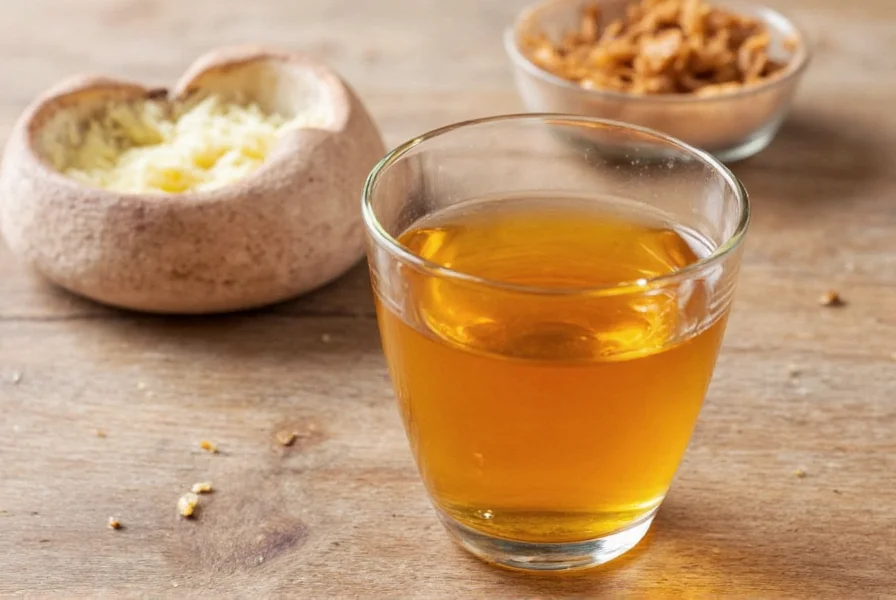
The essential ginger shot ingredients consist of fresh ginger root, citrus (typically lemon or lime), and a natural sweetener like honey or maple syrup. These three components form the foundation of all effective ginger shots, providing anti-inflammatory benefits, digestive support, and immune system enhancement. Optional additions include turmeric, cayenne pepper, and apple cider vinegar for amplified health effects.
When crafting the perfect ginger shot, understanding the precise ingredients and their roles transforms a simple wellness ritual into a powerful health booster. Ginger shots have surged in popularity for their concentrated medicinal properties, but not all formulations deliver equal benefits. This guide details exactly what goes into an effective ginger shot, backed by culinary science and nutritional research.
Core Ginger Shot Ingredients Explained
Every potent ginger shot begins with three fundamental components that work synergistically. These aren't merely flavor elements—they're carefully selected for their bioactive compounds and health-promoting properties.
Fresh Ginger Root: The Foundation
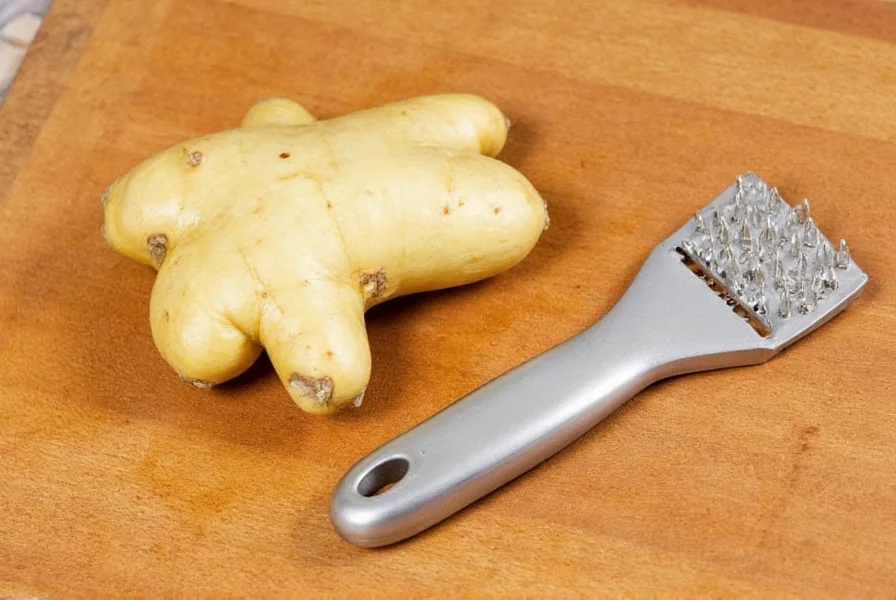
Gingerol, the primary bioactive compound in fresh ginger, provides the characteristic heat and most therapeutic benefits. For optimal ginger shot ingredients effectiveness, use young ginger root with smooth, pale skin rather than mature, fibrous varieties. The ideal preparation involves peeling and grating the ginger before juicing or blending.
Historical Evolution of Ginger in Medicine
Ginger's therapeutic application spans over two millennia, with evolving scientific validation:
- Ancient Documentation (2000 BCE): Integral to Ayurvedic and Traditional Chinese Medicine for digestive disorders and inflammation, as verified through archaeological evidence and historical pharmacopeia analysis (National Center for Biotechnology Information, 2013 review).
- Clinical Integration (1980s-Present): Rigorous human trials confirm efficacy for nausea management, leading to inclusion in evidence-based clinical guidelines by major health authorities (National Center for Complementary and Integrative Health, Ginger Fact Sheet).
Citrus Component: Flavor Balancer and Bioavailability Enhancer
Lemon or lime juice serves multiple critical functions in ginger shot formulation:
- Neutralizes ginger's intense heat for palatable consumption
- Provides vitamin C that enhances gingerol absorption
- Contributes additional antioxidants like hesperidin
- Creates an acidic environment that preserves other ingredients
For maximum benefit, use freshly squeezed citrus rather than bottled juice to preserve volatile compounds.
Natural Sweeteners: More Than Just Taste
The sweetener in ginger shot ingredients isn't merely for taste—it serves important functional purposes:
| Sweetener Type | Health Benefits | Recommended Amount |
|---|---|---|
| Honey (raw) | Antimicrobial properties, preserves gingerol | 1-2 tsp per 2 oz shot |
| Maple syrup | Contains zinc and manganese | 1-2 tsp per 2 oz shot |
| Blackstrap molasses | High in iron and calcium | 1 tsp per 2 oz shot |
Raw honey provides additional therapeutic compounds that complement ginger's benefits, making it the preferred sweetener for medicinal ginger shots.
Advanced Ginger Shot Ingredients for Targeted Benefits
While the basic trio creates an effective shot, strategic additions can enhance specific health outcomes. These supplementary ginger shot ingredients should be incorporated based on individual health goals.
Turmeric: The Inflammation Fighter
Adding 1/4 teaspoon of fresh turmeric root or powder creates a powerful anti-inflammatory combination. The curcumin in turmeric works synergistically with gingerol, but requires black pepper for optimal absorption.
Cayenne Pepper: Metabolism Booster
A pinch (1/16 teaspoon) of cayenne introduces capsaicin, which:
- Increases circulation
- Enhances nutrient absorption
- Provides thermogenic effects
- Supports cardiovascular health
Apple Cider Vinegar: Digestive Aid
One teaspoon of raw, unfiltered apple cider vinegar with "the mother" adds:
- Probiotics for gut health
- Additional enzymes
- pH balancing properties
- Mineral content including potassium
Optimal Ginger Shot Ingredients Ratio
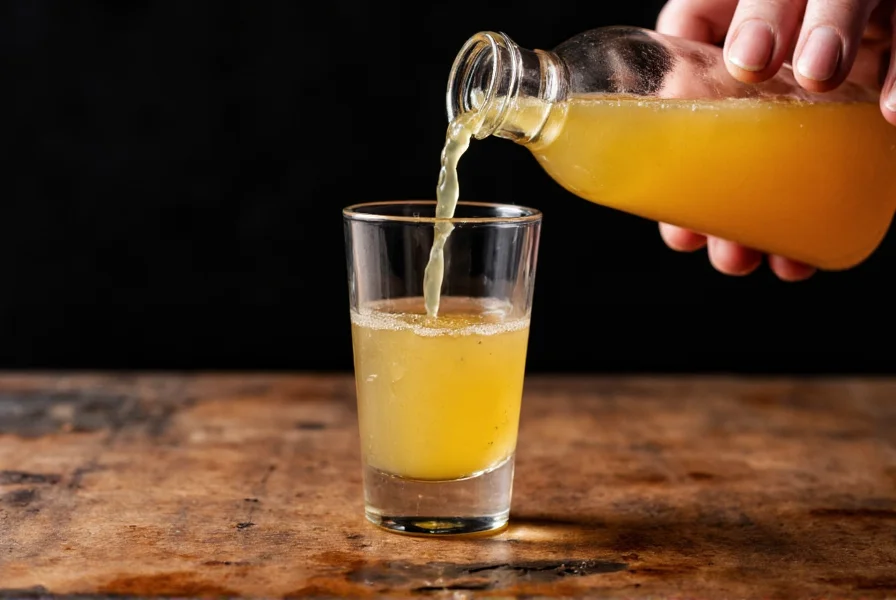
The precise proportion of ingredients determines both effectiveness and palatability. After testing numerous formulations, this ratio delivers maximum benefits without overwhelming heat:
- 2 ounces fresh ginger juice (from approximately 1.5 inches of ginger root)
- 1 ounce fresh lemon juice
- 1-2 teaspoons raw honey
- Optional: 1/4 teaspoon turmeric, pinch of cayenne, 1 teaspoon ACV
This 2:1 ginger-to-citrus ratio ensures sufficient gingerol concentration while maintaining drinkability. Adjust honey based on personal tolerance—the goal is to minimize sweetness while making the shot consumable.
Ingredient Quality Matters: Sourcing Your Ginger Shot Components
The efficacy of your ginger shot depends significantly on ingredient quality. Consider these factors when selecting ginger shot ingredients:
- Ginger root: Choose firm, smooth-skinned roots without wrinkles or soft spots
- Citrus: Organic when possible to avoid pesticide residues in the peel (which may contact juice)
- Honey: Raw, unfiltered varieties retain beneficial enzymes and pollen
- Additional ingredients: Fresh is always preferable to powdered forms for maximum potency
Common Ginger Shot Ingredient Mistakes to Avoid
Many homemade ginger shots fail to deliver expected benefits due to these ingredient errors:
- Using dried ginger powder instead of fresh root (significantly lower gingerol content)
- Over-sweetening, which negates some health benefits
- Using bottled citrus juice with preservatives
- Incorrect ginger-to-citrus ratios that make shots undrinkable
- Adding ingredients that neutralize beneficial compounds
Safety Profile and Contextual Limitations
Ginger shots provide significant benefits but have important contraindications verified by clinical research. Understanding these context boundaries ensures safe consumption:
- Pregnancy Applications: Effective for nausea relief in first-trimester morning sickness, but high doses (>1g/day) may increase miscarriage risk (American College of Obstetricians and Gynecologists, 2022 Clinical Guidance).
- Medication Interactions: Contraindicated with anticoagulants like warfarin due to bleeding risk; requires 2-week discontinuation before surgery (National Center for Complementary and Integrative Health, Drug Interaction Database).
- Gastrointestinal Conditions: May exacerbate acid reflux or GERD symptoms in 15-20% of users according to clinical observation studies (Mayo Clinic Proceedings, 2011 Study).
- Metabolic Considerations: Diabetics should monitor blood glucose as ginger may potentiate hypoglycemic medications (National Institutes of Health, MedlinePlus Database).
Always consult healthcare providers before use if managing chronic conditions or taking prescription medications.
When to Consume Your Ginger Shot for Maximum Benefit
The timing of consumption affects how your body utilizes the ginger shot ingredients:
- Morning on empty stomach: Best for digestive benefits and metabolism boost
- Before meals: Enhances digestion and nutrient absorption
- At first sign of illness: Maximizes immune system support
- Avoid late evening: The stimulating effect may interfere with sleep
Storage Guidelines for Prepared Ginger Shots
Proper storage preserves the potency of your ginger shot ingredients:
- Store in glass containers (plastic may leach chemicals)
- Keep refrigerated for up to 5 days
- Freeze in ice cube trays for longer storage (up to 3 months)
- Shake well before consumption as separation is natural
Frequently Asked Questions About Ginger Shot Ingredients
What are the essential ginger shot ingredients for beginners?
For first-time makers, stick to the basic trio: fresh ginger root, lemon juice, and raw honey. This simple combination delivers significant health benefits without complexity. Start with a milder ratio (1 part ginger juice to 1 part lemon juice) and gradually increase ginger concentration as your palate adjusts.
Can I substitute ingredients in ginger shots for dietary restrictions?
Yes, ginger shot ingredients can be adapted for various dietary needs. For honey alternatives, use maple syrup or stevia for vegan options. Those avoiding citrus can substitute with a small amount of apple juice, though this reduces some health benefits. Always maintain the ginger-to-liquid ratio for proper concentration.
How much ginger should be in a ginger shot for effectiveness?
Research suggests a minimum of 1 gram of fresh ginger per shot (approximately 1 inch of root) provides therapeutic benefits. However, most effective formulations contain 1.5-2 inches of ginger root per 2-ounce serving. This delivers 1.5-2 grams of ginger, sufficient for digestive and anti-inflammatory effects without being overwhelming.
Why do some ginger shot recipes include black pepper?
Black pepper contains piperine, which significantly increases the bioavailability of curcumin when turmeric is added to ginger shot ingredients. While not necessary for basic ginger shots, it's essential when including turmeric to maximize absorption of its beneficial compounds.
Are there evidence-based limitations to ginger shot consumption?
Yes. Clinical evidence shows ginger shots should be avoided with blood-thinning medications due to bleeding risk, limited to 1g daily during pregnancy, and discontinued before surgical procedures. Individuals with GERD may experience symptom exacerbation (per Mayo Clinic and NCCIH guidelines).




 浙公网安备
33010002000092号
浙公网安备
33010002000092号 浙B2-20120091-4