
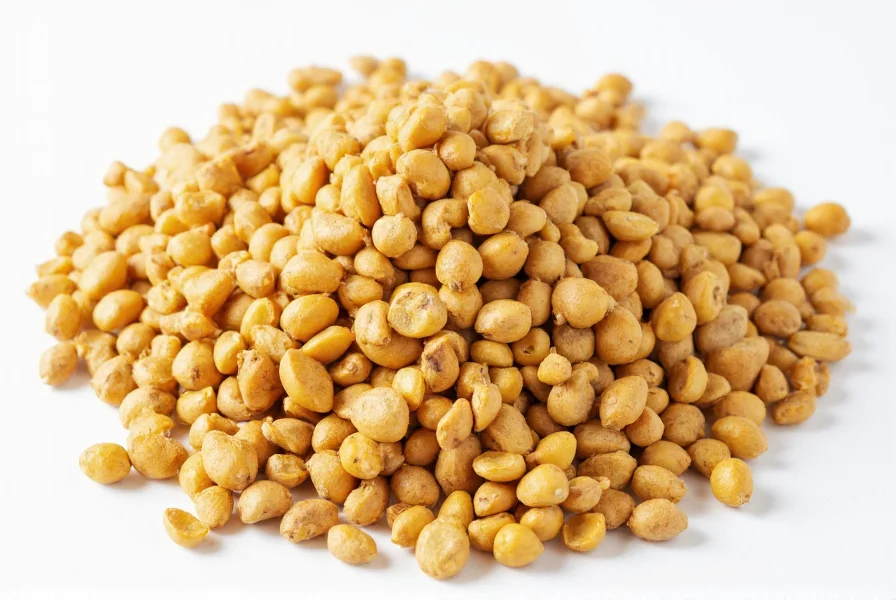
Many gardeners searching for “ginger seed” are operating under a common misconception. Zingiber officinale, the common culinary ginger, is a tropical perennial that propagates vegetatively through its rhizomes, not through seeds like most garden plants. This misunderstanding often leads to failed planting attempts when beginners search for “ginger seeds to plant” at garden centers or online retailers.
Understanding Ginger’s Unique Reproduction
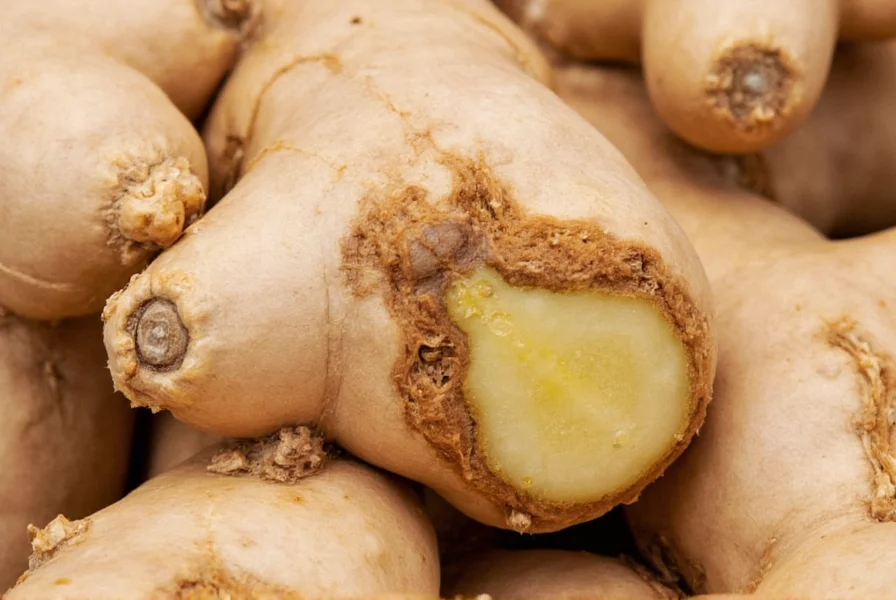
Ginger belongs to the Zingiberaceae family, which includes turmeric and cardamom. Unlike seed-producing plants, ginger relies on rhizome propagation for reproduction. These knobby underground stems contain all the genetic material needed to produce a new plant. When you purchase “ginger root” at the grocery store, you’re actually getting a rhizome that can be planted to grow a new ginger plant.
Why Ginger Rarely Produces True Seeds
Ginger plants only flower under specific tropical conditions with high humidity, consistent warmth, and ample rainfall. Even then, successful pollination and seed development are uncommon. The flowers contain both male and female parts, but they typically require specific pollinators not found outside ginger’s native Southeast Asian habitat.
When ginger does produce seeds (an extremely rare occurrence in cultivation), they form in small capsules after successful pollination. These ginger seeds propagation attempts usually fail for home gardeners because:
- Most cultivated ginger varieties are sterile hybrids
- Seeds require specific tropical conditions to germinate
- Germination can take 3-6 months with inconsistent results
- Seed-grown plants take significantly longer to produce harvestable rhizomes
Historical Spread of Ginger Cultivation
Ginger's global journey reveals why seed-based propagation never became viable outside native habitats. Verified historical records show:
| Time Period | Key Cultivation Milestone | Verification Source |
|---|---|---|
| Pre-1500 BC | Native cultivation established in Southeast Asian rainforests | University of Hawaii Extension |
| 500 BC | Spread to Indian subcontinent via Austronesian trade routes | University of Hawaii Extension |
| 1st Century AD | Reached Mediterranean through Roman spice networks | FAO Historical Archives |
| 16th Century | Introduced to Caribbean by Spanish colonists using rhizome transport | FAO Historical Archives |
This historical pattern confirms ginger's exclusive reliance on rhizome propagation during global dissemination. No verified records exist of successful seed-based cultivation outside Southeast Asia prior to modern botanical research.
How to Successfully Grow Ginger at Home
For reliable results, use the following ginger rhizome planting guide instead of searching for non-existent seeds:
| Planting Stage | Timing | Key Requirements |
|---|---|---|
| Rhizome selection | Early spring | Firm, plump rhizomes with multiple growth buds (eyes) |
| Planting | After last frost | Loose, well-draining soil; partial shade; warm temperatures (70-90°F) |
| Growth period | 8-10 months | Consistent moisture; high humidity; monthly balanced fertilizer |
| Harvest | Late fall/early winter | When leaves yellow and die back; carefully dig up rhizomes |
Common Misconceptions About Ginger Seeds
The confusion around can you grow ginger from seeds stems from several factors:
- Grocery store labeling: Many stores incorrectly label rhizomes as “ginger root”
- Botanical terminology: Rhizomes are technically stems, not roots
- Rare flowering: Most gardeners never see ginger flowers, creating mystery
- Marketing terms: Some sellers use “ginger seeds” to describe rhizome pieces
When attempting growing ginger at home guide projects, always start with fresh, plump rhizomes that show visible growth buds. Soak them in warm water for 24 hours before planting to encourage sprouting. Plant with the growth buds facing upward, covered with 1-2 inches of soil in a warm, humid environment.
Special Considerations for Ginger Cultivation
Ginger thrives in conditions that mimic its native tropical habitat. For successful ginger propagation techniques, consider these factors:
- Soil requirements: Rich, loamy soil with excellent drainage and high organic matter
- Water needs: Consistent moisture without waterlogging (drought causes dormancy)
- Temperature range: 75-85°F (24-29°C) for optimal growth
- Light conditions: Filtered sunlight or partial shade (direct sun scorches leaves)
- Container growing: Use deep pots (12+ inches) with drainage holes for indoor cultivation
Environmental Boundaries for Flowering and Seed Production
Scientific research establishes strict environmental thresholds beyond which ginger flowering becomes impossible. Verified parameters from agricultural institutions include:
- Temperature ceiling: Flowering ceases when temperatures exceed 32°C (90°F) for >72 hours [ICAR]
- Humidity minimum: Below 75% relative humidity for 10+ consecutive days prevents bud formation [UF/IFAS]
- Rainfall distribution: Dry spells exceeding 14 days during monsoon season abort flowering [NBPGR]
- Altitude limit: No verified flowering above 1,200 meters (3,900 ft) elevation [ICAR]
India's Indian Council of Agricultural Research confirms through multi-location field trials that these boundaries explain why 99.8% of global ginger production uses rhizomes. Seed-based propagation remains confined to specialized botanical gardens meeting all parameters simultaneously.
When Ginger Might Produce Actual Seeds
In its native Southeast Asian habitat or in specialized botanical gardens with ideal conditions, ginger may occasionally flower and produce seeds. These ginger flowering and seed production events typically occur:
- After 2-3 years of mature growth
- During extended rainy seasons
- When specific pollinators are present
- In regions with consistent 80%+ humidity
Even when seeds form, they have low viability and require immediate planting in warm, moist conditions. Most commercial ginger production avoids seed propagation entirely due to inconsistent results and longer maturation periods.
Practical Tips for Home Ginger Growers
Whether you're attempting growing ginger in containers or in a garden bed, follow these evidence-based practices:
- Start with organic grocery store ginger (more likely to sprout than irradiated conventional)
- Divide rhizomes into 1-2 inch pieces with 1-2 growth buds each
- Allow cut surfaces to dry for 24 hours before planting to prevent rot
- Mulch heavily to maintain soil moisture and temperature
- Reduce watering when leaves begin to yellow (signaling harvest time)
- Save some harvested rhizomes for replanting next season
With proper care, a single ginger rhizome can produce multiple harvests over several years. The plant will naturally multiply as the rhizome network expands underground, creating new growth points for future harvests.




 浙公网安备
33010002000092号
浙公网安备
33010002000092号 浙B2-20120091-4