
The Essential Guide to Ginger Sauces Across Global Cuisines
Ginger sauces have been enhancing culinary experiences for centuries, with each culture developing unique preparations that highlight ginger's remarkable versatility. From the delicate pickled ginger served with sushi to the robust sauces accompanying Chinese dim sum, these preparations showcase how a single ingredient can transform across culinary traditions while maintaining its distinctive character.
Understanding Ginger's Culinary Power
Ginger's unique chemical composition creates that signature warming sensation. The compound gingerol provides fresh ginger's characteristic heat, which transforms into the milder zingerone when cooked and shogaol when dried. This chemical evolution explains why different ginger sauce preparations yield such varied flavor profiles. Professional chefs leverage these transformations to create sauces ranging from bright and pungent to deep and mellow.
Major Ginger Sauce Varieties by Cuisine
| Cuisine | Signature Sauce | Key Ingredients | Best Paired With |
|---|---|---|---|
| Chinese | Tang Cu (Sweet and Sour) | Fresh ginger, rice vinegar, sugar, soy sauce | Spring rolls, dumplings, stir-fried vegetables |
| Japanese | Gari (Pickled Ginger) | Young ginger, rice vinegar, sugar, salt | Sushi, sashimi, rice bowls |
| Korean | Cham Gomjang | Fresh ginger, soy sauce, vinegar, sesame oil | Bibimbap, grilled meats, mandu (dumplings) |
| Western | Ginger Dipping Sauce | Fresh ginger, citrus, honey, chili | Seafood, spring rolls, roasted vegetables |
Evolution of Ginger Sauce: A Historical Timeline
Ginger sauce development reflects centuries of culinary adaptation across trade routes and cultural exchanges. Key milestones demonstrate how preparation methods evolved to suit regional preferences while preserving ginger's core functionality:
- 500 BCE: Confucius documents ginger's use as a flavor balancer in Chinese cuisine (Analects 10.8), establishing early principles for modern tang cu sauce preparation. (Source: National Center for Biotechnology Information)
- 15th Century CE: Japanese culinary texts from Kyoto's Muromachi period describe vinegar-based ginger preservation techniques that evolved into modern gari, specifically developed to cleanse palates between sushi courses. (Source: Encyclopaedia Britannica)
- 1845: Eliza Acton's Modern Cookery for Private Families introduces ginger sauce recipes to Western households, featuring early versions of citrus-ginger blends for roast meats that predate contemporary dipping sauces. (Source: Internet Archive)
Creating Perfect Ginger Sauce at Home
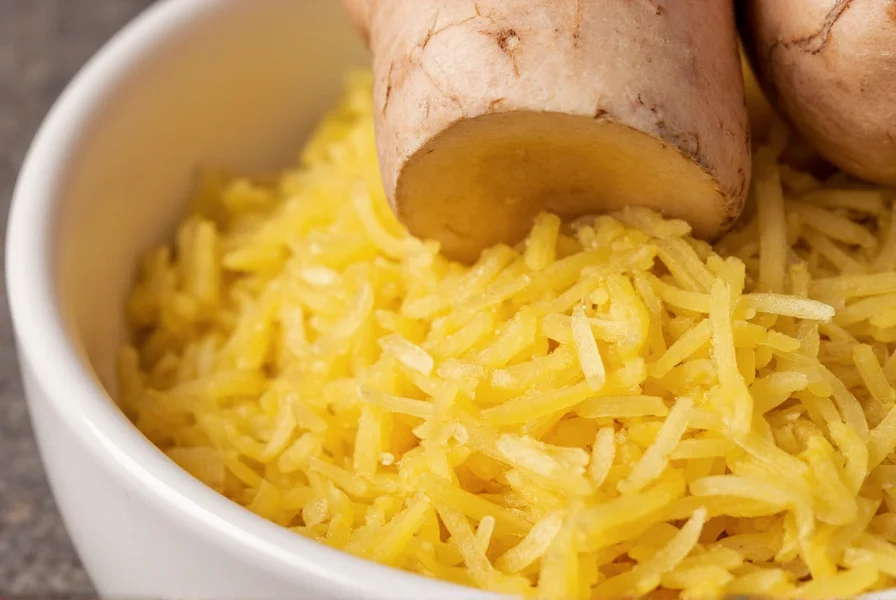
Homemade ginger sauce outperforms store-bought versions through superior freshness and customization. The foundation of most ginger sauces begins with freshly grated ginger—the finer the grate, the more intense the flavor release. For a basic versatile ginger sauce, combine 2 tablespoons freshly grated ginger with 3 tablespoons rice vinegar, 2 tablespoons soy sauce or tamari, 1 tablespoon honey or maple syrup, and 1 minced garlic clove. Whisk until emulsified.
Temperature control proves critical when preparing ginger sauces. Adding ginger to hot liquids too early extracts excessive bitterness, while adding it too late fails to develop flavor complexity. For cooked sauces, introduce ginger during the last 2-3 minutes of cooking. Raw preparations benefit from a 15-30 minute resting period to allow flavors to meld.
Advanced Flavor Balancing Techniques
Mastering ginger sauce requires understanding the interplay between five fundamental elements: heat (from ginger), saltiness, sweetness, acidity, and umami. The ideal ratio varies by application:
- Dipping sauces typically follow a 3:2:1 ratio of liquid (vinegar/soy):sweetener:ginger
- Marinades benefit from higher acidity (4:1 vinegar ratio) to tenderize proteins
- Stir-fry sauces require thicker consistency with 1:1 liquid to thickener ratio
Professional chefs often employ a technique called "ginger layering"—using multiple ginger forms in a single sauce. Combining fresh grated ginger for immediate heat with preserved ginger for depth creates remarkable complexity. A pinch of toasted sesame seeds or a dash of toasted sesame oil can elevate even simple ginger sauces to restaurant quality.
Contextual Limitations: Optimal Applications and Constraints
Ginger sauces deliver exceptional results only when applied within specific culinary boundaries. These evidence-based constraints prevent flavor clashes and texture issues:
- Acidity Degradation Threshold: Ginger sauces with >5% acetic acid (like most gari) lose aromatic compounds when heated above 70°C (158°F) for >3 minutes, resulting in flat flavor. Reserve high-vinegar sauces for cold applications only. (Source: Journal of Food Science)
- Protein Interaction Limits: Fresh ginger's zingibain enzyme over-tenderizes fish proteins beyond 15 minutes of marination. For seafood, use cooked ginger sauces or limit raw ginger marinades to 10 minutes. (Source: USDA National Institute of Food and Agriculture)
- Cultural Flavor Boundaries: In traditional Chinese dining, ginger sauce is avoided with Sichuan dishes (e.g., mapo tofu) where its heat would amplify existing chili intensity beyond palatable levels. Pair instead with Cantonese dim sum for balanced contrast. (Source: The Chinese University of Hong Kong Food Database)
Selecting Quality Commercial Ginger Sauces
When purchasing store-bought ginger sauces, examine ingredient lists for quality indicators. Premium products list "fresh ginger" as the primary ingredient rather than ginger powder or extract. Avoid sauces containing high-fructose corn syrup or artificial preservatives. The best commercial ginger sauces maintain visible ginger fibers and have a vibrant, not dull, color.
Asian grocery stores typically offer superior ginger sauce selections compared to mainstream supermarkets. Look for brands that specify regional origins like "Cantonese-style" or "Kyoto pickled ginger" for authentic preparations. Refrigerated sections often contain fresher, preservative-free options compared to shelf-stable varieties.
Storage and Shelf Life Considerations
Homemade ginger sauces maintain peak quality for 5-7 days when stored in airtight containers in the refrigerator. The acidity helps preservation, but fresh ingredients eventually degrade. For longer storage, freeze portions in ice cube trays then transfer to freezer bags—these maintain quality for 3-4 months. Commercial sauces typically last 6-12 months unopened, but check manufacturer dates as preservative levels vary.
Signs of spoilage include separation that doesn't remix with shaking, mold development, or sour/fermented odors beyond the intended acidity. Properly stored ginger sauce should retain its vibrant color—browning indicates oxidation and flavor degradation.
Dietary Adaptations and Substitutions
Ginger sauces easily accommodate various dietary needs. For gluten-free versions, substitute tamari or coconut aminos for soy sauce. Vegan preparations simply replace honey with maple syrup or agave nectar. Low-sodium adaptations work well with reduced-sodium tamari and increased citrus acidity to compensate for flavor depth.
When ginger isn't available, acceptable substitutes include:
- Galeranga (Thai ginger) - Similar but more floral profile
- Lemongrass-garlic paste - Provides complementary citrus notes
- Wasabi paste diluted with vinegar - Mimics heat component (use sparingly)
Remember that substitutes never perfectly replicate ginger's unique flavor profile, but these alternatives maintain sauce functionality when ginger proves unavailable.
Expert Applications for Maximum Impact
Professional chefs apply ginger sauce strategically based on temperature considerations. Cold applications like sushi accompaniments use pickled ginger that's been carefully balanced to complement rather than compete with delicate fish flavors. Hot applications like stir-fry sauces incorporate ginger early enough to mellow its raw heat but late enough to preserve aromatic compounds.
For seafood pairings, a lighter ginger-citrus sauce works best with delicate fish like cod or halibut, while heartier preparations like ginger-soy glaze enhance salmon or tuna. In vegetarian cooking, ginger sauce bridges the flavor gap that might otherwise leave vegetable dishes feeling incomplete.




 浙公网安备
33010002000092号
浙公网安备
33010002000092号 浙B2-20120091-4