
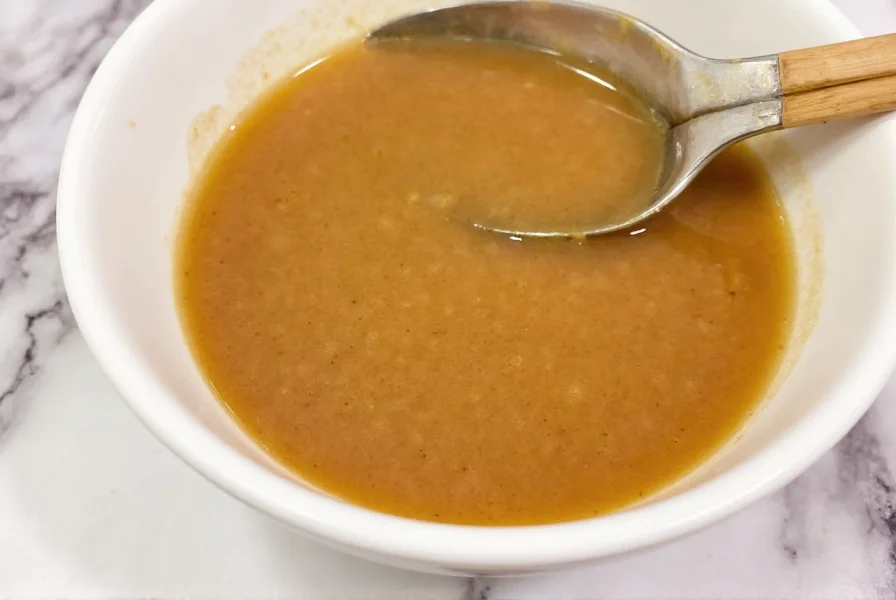
Hibachi ginger sauce transforms ordinary grilled dishes into restaurant-quality meals with its perfect balance of zesty ginger, savory umami, and subtle sweetness. Unlike store-bought versions that often contain artificial ingredients and excessive sugar, the authentic preparation uses fresh, high-quality components that create a complex flavor profile essential for genuine hibachi cooking experience.
What Makes Hibachi Ginger Sauce Unique
The distinctive character of traditional hibachi ginger sauce comes from its carefully balanced ingredients and preparation method. Unlike standard ginger sauces, hibachi versions incorporate specific ratios of fresh ginger to other components, creating a sauce that complements rather than overwhelms the grilled foods it accompanies. Professional hibachi chefs typically prepare this sauce fresh daily, ensuring optimal flavor and aroma that pre-made commercial versions cannot match.
Essential Ingredients and Their Roles
Understanding each component's purpose helps recreate authentic hibachi ginger sauce at home. The following table details the critical ingredients and their culinary functions:
| Ingredient | Function in Sauce | Authenticity Tip |
|---|---|---|
| Fresh ginger root | Provides signature zesty flavor and aromatic quality | Must be freshly grated, not powdered |
| Soy sauce | Delivers umami depth and saltiness | Use Japanese soy sauce for authentic flavor |
| Rice vinegar | Creates bright acidity that balances richness | Never substitute with other vinegars |
| Sesame oil | Adds nutty aroma and enhances mouthfeel | Use toasted sesame oil sparingly |
| Honey or sugar | Provides subtle sweetness to round flavors | Honey preferred for complex sweetness |
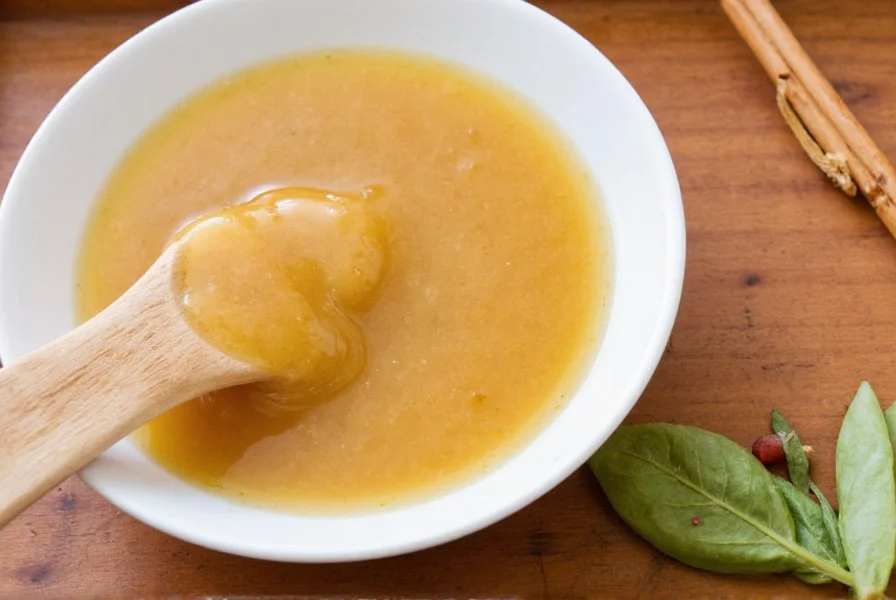
Authentic Hibachi Ginger Sauce Recipe
Creating restaurant-quality hibachi ginger sauce requires precise measurements and proper technique. This authentic recipe yields approximately 1 cup of sauce, perfect for marinating 1-2 pounds of protein or serving as dipping sauce for four people.
Ingredients
- 1/2 cup fresh ginger root, finely grated (about 3-4 inches)
- 3 tablespoons Japanese soy sauce
- 2 tablespoons rice vinegar
- 1 tablespoon sesame oil
- 2 tablespoons honey
- 2 cloves garlic, minced
- 1 tablespoon vegetable oil
- 1/4 cup water
- 1 teaspoon cornstarch
Step-by-Step Preparation
- Prepare fresh ginger by peeling and finely grating using a microplane grater
- In a small saucepan, combine grated ginger, garlic, soy sauce, rice vinegar, honey, and sesame oil
- Mix cornstarch with water to create a slurry for proper thickening
- Heat the sauce mixture over medium heat until it begins to simmer
- Slowly whisk in the cornstarch slurry and continue cooking for 2-3 minutes until slightly thickened
- Remove from heat and let cool to room temperature before using
- For best results, refrigerate for at least 30 minutes to allow flavors to meld
Using Hibachi Ginger Sauce Like a Professional
Understanding proper application techniques separates authentic hibachi cooking from ordinary grilled meals. Professional chefs use ginger sauce in three distinct ways:
- As a marinade: Coat proteins for 15-30 minutes before grilling (never longer than 1 hour as the acidity can begin to "cook" the protein)
- As a cooking sauce: Drizzle over foods during the final minutes of grilling to create that signature caramelized finish
- As a dipping sauce: Serve alongside grilled items, often thinned slightly with additional rice vinegar for dipping consistency
Variations for Different Dietary Preferences
While the traditional recipe remains popular, several authentic variations accommodate different dietary needs without compromising flavor:
- Low-sodium version: Substitute reduced-sodium soy sauce and increase rice vinegar slightly to maintain balance
- Gluten-free adaptation: Use tamari instead of traditional soy sauce
- Vegan alternative: Replace honey with maple syrup or agave nectar
- Extra-spicy option: Add 1/2 teaspoon of sriracha or a few dashes of chili oil
Storage and Shelf Life Guidelines
Proper storage maintains the vibrant flavor of homemade hibachi ginger sauce. Store in an airtight container in the refrigerator for up to one week. For longer preservation, freeze in ice cube trays then transfer frozen cubes to a freezer bag for up to three months. Thaw overnight in the refrigerator before use. Never leave the sauce at room temperature for more than two hours, as the fresh ginger and garlic components can spoil quickly.
Common Questions About Hibachi Ginger Sauce
What's the difference between hibachi ginger sauce and regular ginger sauce?
Hibachi ginger sauce specifically balances tanginess and sweetness to complement grilled foods, with higher ginger content and rice vinegar compared to standard ginger sauces. Traditional hibachi versions use fresh ginger rather than powdered, creating a brighter, more complex flavor profile that works perfectly with the high-heat cooking method.
Can I use bottled ginger instead of fresh for authentic hibachi ginger sauce?
No, authentic hibachi ginger sauce requires freshly grated ginger root for the proper flavor profile and aromatic quality. Bottled ginger lacks the bright, zesty notes that define genuine hibachi sauce and often contains preservatives that alter the taste. The enzymatic reaction from fresh ginger is essential for the sauce's characteristic flavor development.
Why does my homemade hibachi ginger sauce separate?
Separation occurs when the emulsion breaks, typically from improper mixing or incorrect ingredient ratios. The cornstarch slurry is crucial for binding the oil and liquid components. Always whisk the cornstarch mixture thoroughly into the simmering sauce and allow it to cook for the full 2-3 minutes to properly thicken. If separation happens, reheat gently while whisking continuously to re-emulsify the sauce.
How can I adjust hibachi ginger sauce if it's too strong?
If your sauce tastes too intense, gradually add small amounts of water or additional rice vinegar to mellow the flavor. For excessive ginger heat, a touch more honey can balance the sharpness. Remember that flavors will mellow slightly after refrigeration, so always taste after the sauce has rested for 30 minutes before making final adjustments.
What dishes pair best with authentic hibachi ginger sauce?
Hibachi ginger sauce complements grilled proteins like chicken, steak, and shrimp exceptionally well. It also enhances vegetables such as zucchini, mushrooms, and bell peppers when cooked on the hibachi grill. For traditional preparation, use it with hibachi fried rice and noodles. The sauce works particularly well with fatty fish like salmon, where its acidity cuts through the richness.




 浙公网安备
33010002000092号
浙公网安备
33010002000092号 浙B2-20120091-4