
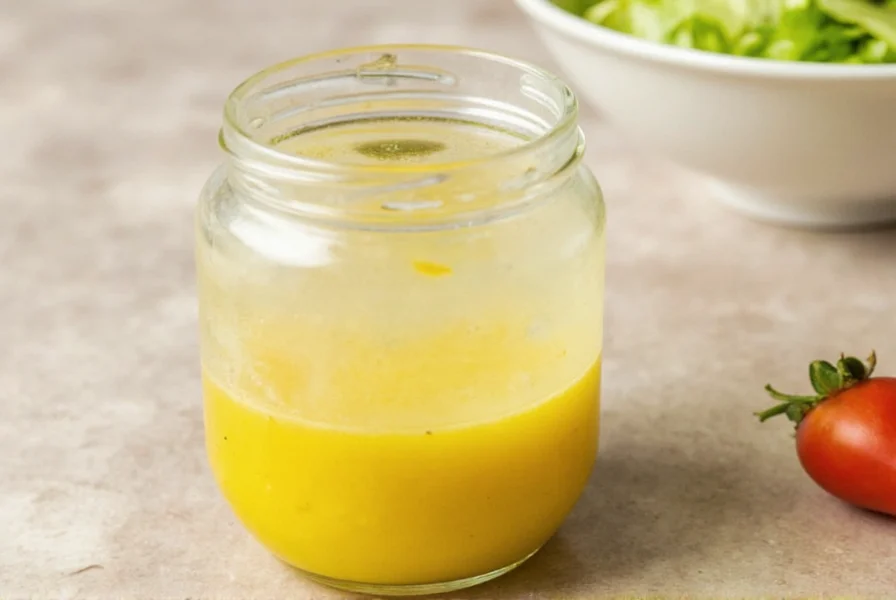
Here's the quick answer: Whisk together 2 tablespoons freshly grated ginger, 3 tablespoons rice vinegar, 2 tablespoons soy sauce, 1 tablespoon honey or maple syrup, 1/4 cup neutral oil (like grapeseed), and 1 teaspoon sesame oil. This simple ginger salad dressing recipe takes just 10 minutes to prepare and yields approximately 1/2 cup of vibrant, flavorful dressing perfect for Asian-inspired salads.
Creating the perfect ginger salad dressing requires balancing fresh, zesty flavors with just the right amount of sweetness and umami. This easy homemade ginger dressing has become a staple in my kitchen for good reason—it transforms ordinary greens into restaurant-quality dishes with minimal effort. Unlike store-bought versions loaded with preservatives and excess sugar, this fresh ginger salad dressing recipe lets you control the ingredients while delivering that authentic Asian-inspired flavor profile.
Why This Ginger Dressing Recipe Works
The magic happens when freshly grated ginger meets quality ingredients. Pre-grated ginger from a jar simply can't match the bright, complex flavor of fresh ginger root. The natural enzymes in fresh ginger create a dressing with depth that bottled versions lack. This quick ginger vinaigrette achieves perfect harmony between tangy, sweet, salty, and aromatic elements—no single flavor overpowers the others.
Essential Ingredients for Perfect Ginger Dressing
Quality ingredients make all the difference in this healthy ginger dressing without sugar. Here's what you'll need:
- Fresh ginger root (2 tablespoons, finely grated) - Look for firm, smooth-skinned ginger with no wrinkles
- Rice vinegar (3 tablespoons) - Provides gentle acidity without overpowering
- Low-sodium soy sauce (2 tablespoons) - For savory umami depth
- Honey or maple syrup (1 tablespoon) - Natural sweetener to balance flavors
- Neutral oil (1/4 cup) - Grapeseed or avocado oil works best
- Toasted sesame oil (1 teaspoon) - Adds authentic Asian flavor (don't substitute regular sesame oil)
- Garlic (1 small clove, minced) - Optional but recommended for complexity
Step-by-Step Preparation
Follow these simple steps for the best ginger dressing for green salads:
- Peel the ginger root using the edge of a spoon (this preserves more flesh than a vegetable peeler)
- Finely grate 2 tablespoons of ginger using a microplane grater
- In a small bowl, combine the grated ginger with rice vinegar and soy sauce
- Whisk in your sweetener until fully dissolved
- Slowly drizzle in the neutral oil while continuously whisking
- Add the sesame oil and minced garlic (if using)
- Taste and adjust seasoning as needed—add more ginger for heat, vinegar for tang, or sweetener for balance
- Let the dressing sit for at least 15 minutes before using to allow flavors to meld
Variation Options for Different Preferences
This versatile base recipe adapts beautifully to various dietary needs and flavor preferences. The table below shows popular modifications:
| Variation Type | Ingredient Changes | Best Paired With |
|---|---|---|
| Spicy Ginger Dressing | Add 1 tsp sriracha or 1/2 tsp red pepper flakes | Grain bowls, noodle salads |
| Vegan Ginger Dressing | Substitute maple syrup for honey | Mixed greens, roasted vegetables |
| Creamy Ginger Dressing | Add 2 tbsp Greek yogurt or coconut milk | Slaw, cabbage salads |
| Low-Sodium Option | Use tamari or coconut aminos instead of soy sauce | All salad types |
Pro Tips for Perfect Ginger Dressing Every Time
Mastering this how to make ginger dressing from scratch recipe requires attention to a few key details:
- Ginger preparation matters - Squeeze grated ginger in your hand over the bowl to extract maximum juice before adding other ingredients
- Emulsification is key - Whisk vigorously while slowly adding oil to create a stable emulsion that won't separate immediately
- Taste and adjust - Always taste before serving and adjust the ginger salad dressing recipe ratios to your preference
- Resting time - Let the dressing sit for at least 15 minutes (or up to 2 hours) for flavors to fully develop
- Storage - Keep in an airtight container in the refrigerator for up to 1 week
Perfect Salad Pairings
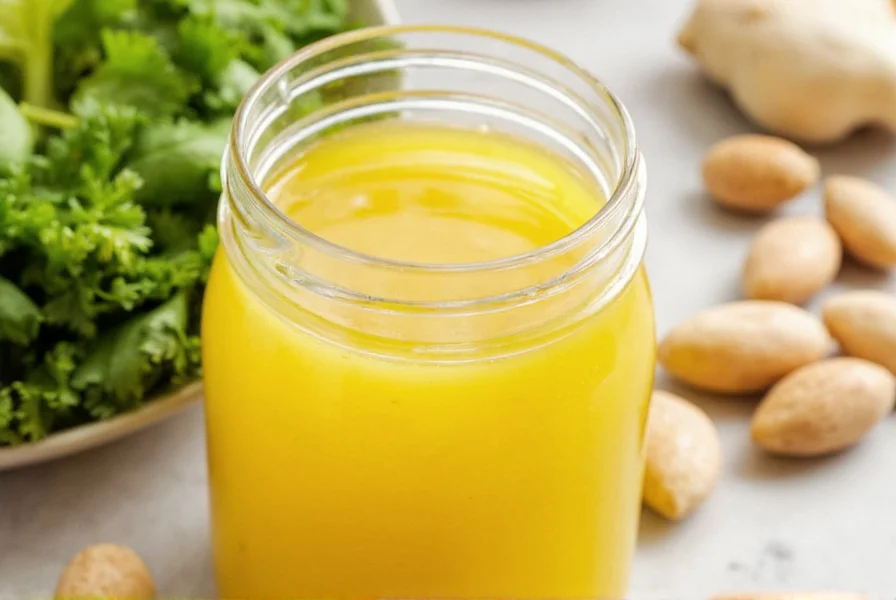
This versatile dressing complements more than just basic green salads. Try it with:
- Asian slaw - With shredded cabbage, carrots, and edamame
- Grain bowls - Over quinoa or brown rice with roasted vegetables
- Seafood salads - Particularly delicious with seared tuna or shrimp
- Crunchy vegetable salads - With cucumber, bell peppers, and snap peas
- Fruit salads - Surprisingly good with mango, apple, or pear slices
Nutritional Benefits of Key Ingredients
Beyond great taste, this fresh ginger salad dressing recipe offers notable health benefits. Ginger contains gingerol, a bioactive compound with powerful anti-inflammatory and antioxidant properties. Rice vinegar may help regulate blood sugar levels, while sesame oil provides healthy fats. By making your own dressing, you avoid the preservatives and excessive sugars found in many commercial options, creating a truly healthy ginger dressing that enhances both flavor and nutrition.
Storage and Usage Tips
Store your homemade ginger dressing in an airtight container in the refrigerator for up to one week. The natural separation that occurs is normal—simply shake or whisk before using. For best results, bring the dressing to room temperature before serving, as cold temperatures mute the flavors. This dressing also doubles as an excellent marinade for chicken, tofu, or fish—just increase the quantity and allow proteins to marinate for 30 minutes to 2 hours before cooking.
Can I make ginger dressing without sesame oil?
Yes, you can make ginger salad dressing without sesame oil, though you'll lose some authentic Asian flavor. Substitute with an additional tablespoon of neutral oil and a quarter teaspoon of toasted sesame seeds for a similar nutty profile. For best results in an easy homemade ginger dressing, toasted sesame oil provides a distinctive flavor that's difficult to replicate completely.
How can I prevent my ginger dressing from separating?
To prevent separation in your fresh ginger salad dressing recipe, ensure proper emulsification by slowly drizzling the oil into the other ingredients while whisking vigorously. Adding one teaspoon of Dijon mustard helps stabilize the emulsion. If separation occurs, simply shake or whisk vigorously before use—this is normal with oil-based dressings and doesn't affect quality.
What's the best way to grate ginger for salad dressing?
The best way to grate ginger for salad dressing is using a microplane zester, which creates fine, almost paste-like ginger that incorporates smoothly into the dressing. Freeze the ginger root for 15 minutes first for easier grating. Avoid using a box grater as it creates larger pieces that can make the dressing gritty. For the most vibrant flavor in your ginger salad dressing recipe, always use fresh ginger rather than powdered.
Can I use this ginger dressing as a marinade?
Absolutely! This Asian-inspired salad dressing works beautifully as a marinade for chicken, tofu, or fish. Double the recipe quantity and let proteins marinate for 30 minutes to 2 hours before cooking. The acidity in the rice vinegar helps tenderize while the ginger adds wonderful flavor. This versatile quick ginger vinaigrette transitions perfectly from salad dressing to marinade.
Final Thoughts
Mastering this ginger salad dressing recipe opens up a world of culinary possibilities beyond basic salads. Once you experience the vibrant flavor of homemade dressing, you'll never reach for store-bought again. The beauty of this recipe lies in its simplicity and adaptability—you can easily adjust ingredients to match your taste preferences or dietary needs. Whether you're preparing a quick weeknight side or an impressive dinner party dish, this fresh ginger salad dressing recipe delivers restaurant-quality results with minimal effort. Keep the ingredients on hand for those moments when you want to elevate simple ingredients into something extraordinary.




 浙公网安备
33010002000092号
浙公网安备
33010002000092号 浙B2-20120091-4