
Ever found yourself staring at a recipe that calls for ginger, only to realize your spice rack is more like a ghost town? Don’t panic! You’re not alone. Whether you're an amateur chef or a seasoned pro, the right substitute can save your dish from disaster (or at least make it taste good). In this article, we’ll dive into the world of ginger substitutes, explore their unique flavors, and help you choose the best one for your next culinary adventure.
Table of Contents
- Introduction: Why Ginger Matters
- Why You Might Need a Substitute for Ginger
- Top 5 Substitutes for Ginger Spice
- Buying Guide: Choosing the Right Substitute
- Pro Tips for Using Ginger Substitutes
- Conclusion: Find Your Ginger Twin
Introduction: Why Ginger Matters
Ginger is a powerhouse in the spice world. Known for its zesty, spicy, and slightly sweet flavor, it adds depth to everything from stir-fries to teas. But sometimes, you just don’t have it on hand—or maybe you’re allergic or looking for a new twist. That’s where substitutes for ginger spice come in handy.
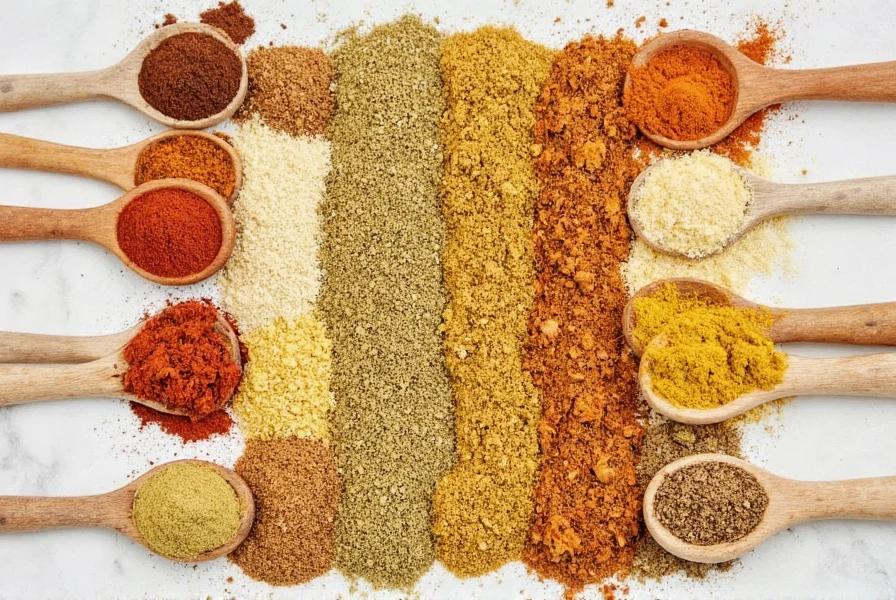
Why You Might Need a Substitute for Ginger
Here are a few reasons why you might find yourself in need of a ginger substitute:
- You ran out of ginger and forgot to restock.
- You're on a strict diet and can't consume ginger.
- You want to experiment with new flavors.
- Your kitchen has gone through a major spice crisis (we've all been there).
Top 5 Substitutes for Ginger Spice
Here are five popular ginger substitutes that can step in when you need a little extra kick:
1. Turmeric
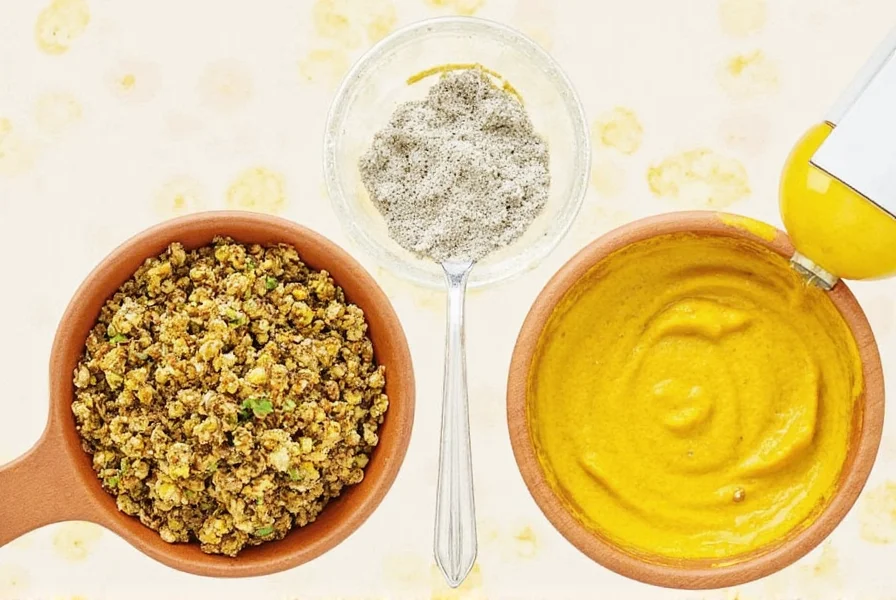
Turmeric is often mistaken for ginger, but they're actually different spices. It has a warm, earthy flavor and is great for adding color to dishes. While it doesn't have the same sharpness as ginger, it works well in soups, stews, and curries.
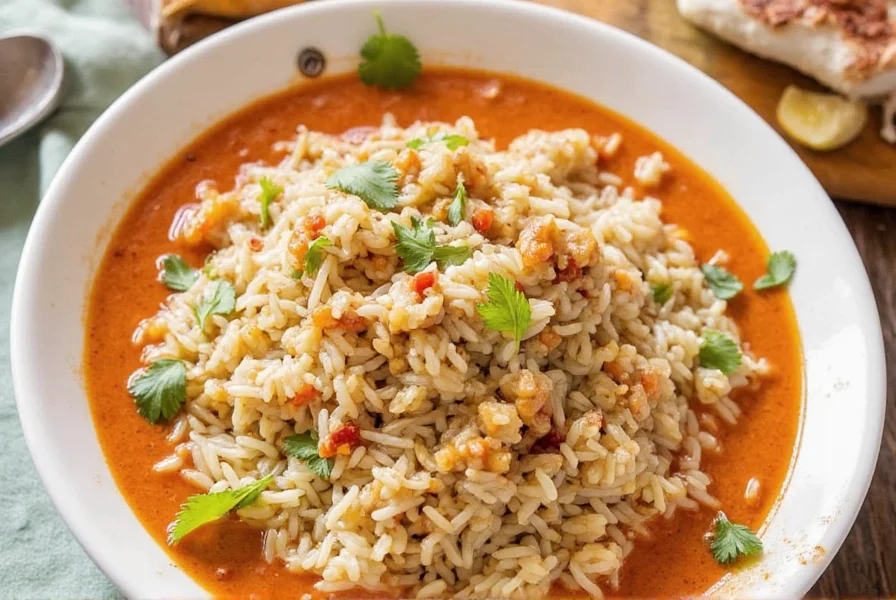
2. Cardamom
Cardamom has a sweet, floral, and slightly spicy flavor. It's commonly used in Indian and Middle Eastern cuisines. If you're making something like chai or desserts, cardamom is a great choice.
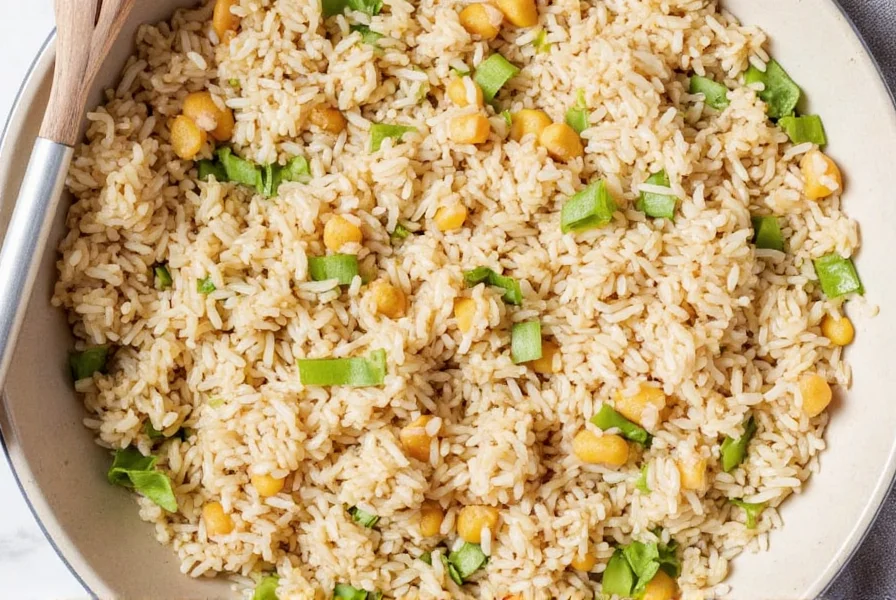
3. Cumin
Cumin has a smoky, nutty flavor that pairs well with many dishes. It’s a staple in Mexican and Indian cooking. Use it in chili, tacos, or roasted vegetables for a bold, savory kick.
4. Szechuan Pepper
Szechuan pepper is known for its numbing, tingling sensation. It’s a bit more intense than ginger but can add a unique flavor profile to your dishes. Ideal for Asian-inspired recipes.
5. Horseradish
Horseradish is a pungent, spicy condiment that can mimic the heat of ginger. It’s great for adding a sharp, tangy bite to dishes like coleslaw, sauces, or even cocktails.
Buying Guide: Choosing the Right Substitute
When choosing a ginger substitute, consider the following factors:
- Flavor Profile: Match the substitute’s flavor to the dish you're making.
- Usage: Some substitutes work better in certain types of cuisine (e.g., turmeric for Indian dishes).
- Quality: Look for fresh, high-quality products to ensure the best results.
- Availability: Choose a substitute that’s easy to find in your local store or online.
- Cost: Some substitutes can be expensive, so compare prices before buying.
Here are some top-rated ginger substitutes and their features:
| Substitute | Features | Best For |
|---|---|---|
| Turmeric | Earthy, warm, vibrant color | Curries, soups, rice dishes |
| Cardamom | Floral, sweet, slightly spicy | Chai, desserts, baked goods |
| Cumin | Smoky, nutty, aromatic | Stews, tacos, roasted veggies |
| Szechuan Pepper | Numbing, spicy, unique | Asian dishes, spicy sauces |
| Horseradish | Pungent, sharp, tangy | Condiments, sauces, cocktails |
Pro Tips for Using Ginger Substitutes
Using a ginger substitute doesn’t mean you have to sacrifice flavor. Here are some tips to make the most of your alternative:
- Start Small: Substitute spices can be strong, so start with a small amount and adjust as needed.
- Combine Flavors: Mix your substitute with other spices to balance the flavor.
- Use Fresh Ingredients: Fresh herbs and spices will give you the best results.
- Experiment: Don’t be afraid to try new combinations—your taste buds might surprise you!
- Keep a Backup: Always keep a few common substitutes on hand for those last-minute cooking emergencies.

Conclusion: Find Your Ginger Twin
While ginger is a beloved spice, there are plenty of ginger substitutes that can fill in the gap when you need them most. Whether you're craving a spicy kick, a warm earthiness, or a floral sweetness, there’s a substitute out there for you. The key is to understand the flavor profiles and choose the one that fits your dish best. So next time you're missing ginger, don’t panic—just reach for your favorite substitute and keep cooking!




 浙公网安备
33010002000092号
浙公网安备
33010002000092号 浙B2-20120091-4