
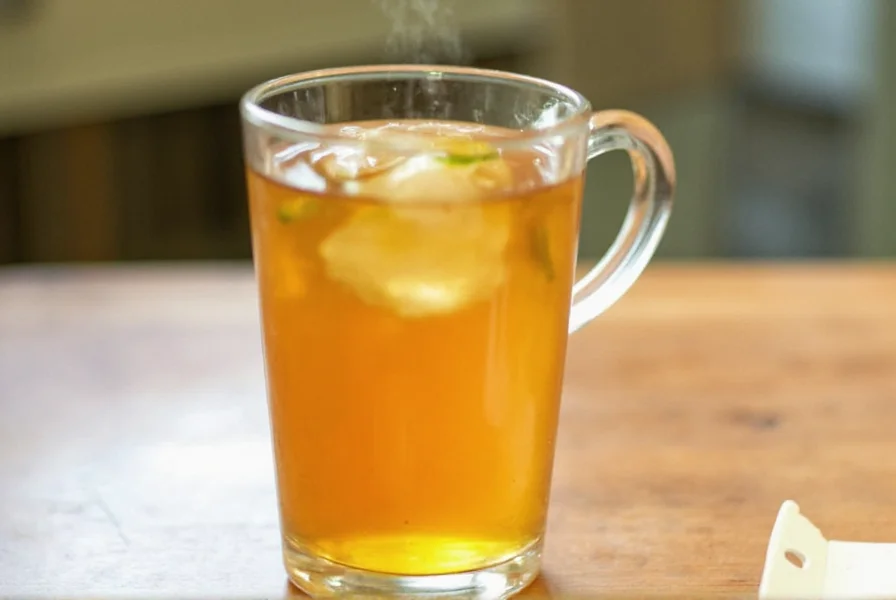
Here's a simple ginger root tea recipe: Peel and slice 1 inch of fresh ginger root. Boil in 2 cups of water for 10-15 minutes. Strain, then add honey or lemon to taste. This basic preparation yields a spicy, soothing beverage ready in under 20 minutes with minimal ingredients.
Making authentic ginger root tea at home is simpler than most people realize. This ancient beverage has been enjoyed for centuries across Asian and Middle Eastern cultures for its distinctive spicy flavor and potential wellness properties. Unlike store-bought versions that often contain artificial flavors or excessive sugar, preparing ginger tea from fresh root gives you complete control over ingredients and potency.
The Health Benefits of Ginger Tea
Ginger contains bioactive compounds like gingerol that have been studied for their potential health effects. Many people turn to ginger tea for digestive support, particularly when experiencing occasional discomfort. Others appreciate its warming properties during colder months or when feeling under the weather. The beverage provides hydration while delivering ginger's characteristic spicy kick without added calories when prepared without sweeteners.
Essential Ginger Root Tea Ingredients
The beauty of this recipe lies in its simplicity. You only need a few basic ingredients that likely already reside in your kitchen:
| Ingredient | Amount | Preparation Notes |
|---|---|---|
| Fresh ginger root | 1 inch piece | Peel with spoon for less waste |
| Water | 2 cups | Fresh, filtered preferred |
| Lemon | 1 slice (optional) | Add after steeping |
| Honey | 1 tsp (optional) | Add after cooling slightly |
Step-by-Step Ginger Root Tea Preparation
Follow these straightforward steps for perfect ginger tea every time:
- Prepare the ginger: Use a spoon to peel the ginger root (this removes skin with minimal flesh loss). Slice thinly or grate for stronger flavor.
- Boil water: Bring 2 cups of fresh water to a rolling boil in a small saucepan.
- Add ginger: Place prepared ginger into the boiling water.
- Simmer: Reduce heat and let simmer uncovered for 10-15 minutes. Longer simmering creates stronger tea.
- Strain: Pour through a fine mesh strainer into your teacup.
- Customize: Add lemon slice, honey, or other flavorings to taste.
Popular Ginger Tea Variations
Once you've mastered the basic preparation, experiment with these simple modifications:
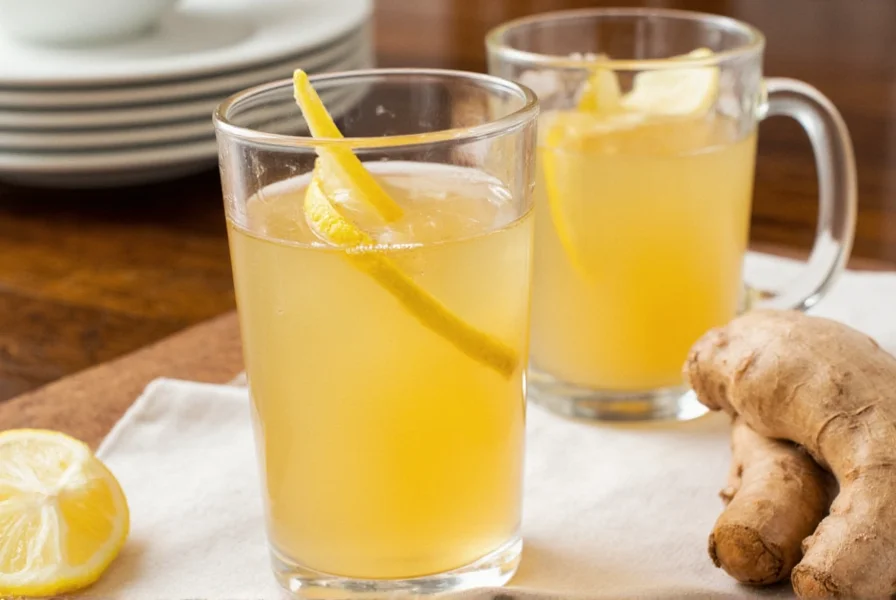
- Ginger-lemon tea: Add 1-2 slices of fresh lemon during the last 2 minutes of simmering
- Ginger-turmeric tea: Include 1/4 teaspoon of ground turmeric for additional color and potential benefits
- Spiced ginger tea: Add one cinnamon stick or 2-3 whole cloves during simmering
- Cold ginger tea: Prepare as directed, then chill and serve over ice with mint
Expert Tips for Perfect Ginger Tea
Professional tea makers recommend these techniques for optimal results:
- Choose firm, smooth ginger roots without soft spots or wrinkles
- Store unused ginger in the freezer for up to 3 months (no need to thaw before use)
- For stronger tea, crush ginger slices with the back of your knife before adding to water
- Never boil ginger tea continuously for more than 20 minutes to preserve flavor compounds
- Add honey only after tea has cooled slightly to preserve its natural properties
Serving and Storage Recommendations
Ginger root tea tastes best when consumed fresh, but you can prepare larger batches for convenience. Store cooled tea in a sealed glass container in the refrigerator for up to 3 days. When reheating, avoid boiling as this can make the tea bitter. Many tea enthusiasts enjoy ginger tea in the morning to support digestion throughout the day or in the evening for its calming properties.
Frequently Asked Questions
How much ginger should I use for one cup of tea?
For a single cup (8 ounces), use approximately 1/2 inch of fresh ginger root. Adjust to taste—some prefer a milder flavor with 1/4 inch, while others enjoy a stronger, spicier tea with up to 1 inch per cup.
Can I make ginger tea without boiling the ginger?
Yes, you can prepare cold-infused ginger tea by slicing ginger and steeping it in room temperature water for 4-12 hours. This method produces a milder flavor and preserves different compounds than boiling, though it takes significantly longer than the traditional simmering method.
When is the best time to drink ginger tea?
Many people enjoy ginger tea in the morning to support digestion throughout the day. Others prefer it after meals or in the evening for its soothing properties. Since it contains no caffeine, ginger tea can be consumed at any time that fits your routine and personal preferences.
How long does fresh ginger root stay good for tea making?
Whole, unpeeled ginger root stays fresh for 3-4 weeks when stored in the refrigerator in a paper bag. For longer storage, freeze ginger root for up to 6 months—frozen ginger actually becomes easier to grate and shows no quality loss when used for tea preparation.




 浙公网安备
33010002000092号
浙公网安备
33010002000092号 浙B2-20120091-4