
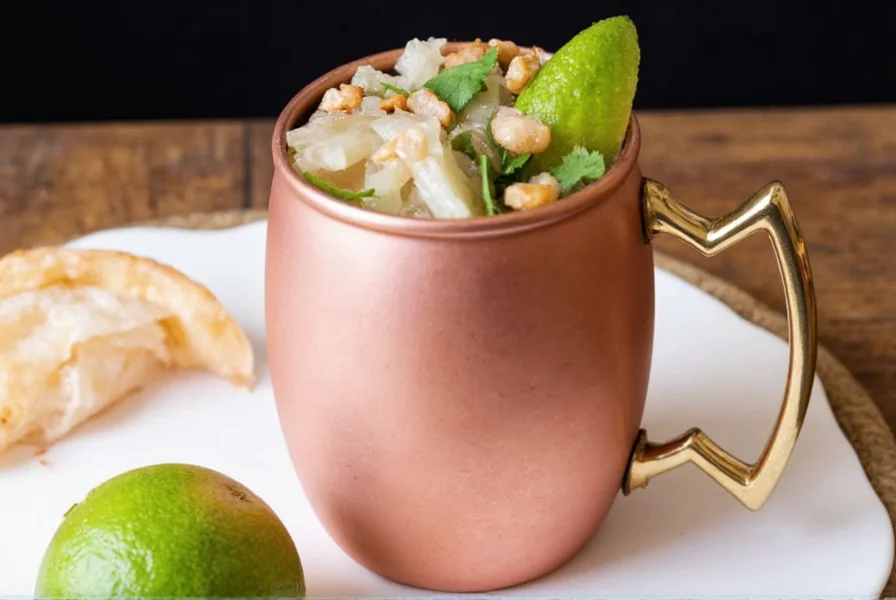
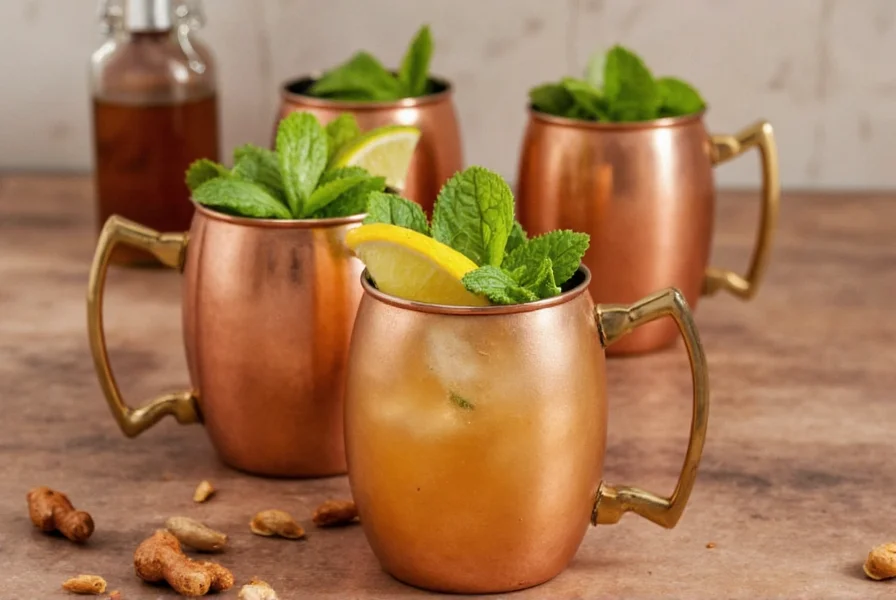
 The ginger mule has become a staple in modern mixology, evolving from its mid-20th century origins to become one of the most popular vodka-based cocktails worldwide. This simple yet sophisticated drink offers the perfect harmony of spicy, sweet, and tart flavors that appeal to both cocktail enthusiasts and casual drinkers alike.
History of the Ginger Mule
While often confused with the Moscow Mule, the ginger mule isn't actually a distinct historical cocktail but rather describes the essential ginger beer component that defines the Moscow Mule experience. The Moscow Mule emerged in the 1940s when vodka distributor John G. Martin partnered with the owner of Cock 'n' Bull ginger beer, Wes Price. They combined forces to promote both products during a time when vodka was relatively unknown in America. The copper mug wasn't just decorative—it helped maintain the drink's frosty temperature while enhancing the ginger beer's spicy notes.
Essential Ingredients for the Perfect Ginger Mule
Creating an exceptional ginger mule requires attention to each component. The quality of your ingredients directly impacts the final result, making ingredient selection crucial for this seemingly simple cocktail.
| Ingredient | Quality Recommendation | Why It Matters |
|---|---|---|
| Vodka | Mid-range premium (80 proof) | Provides clean base without overpowering ginger flavor |
| Ginger Beer | Fresh, spicy variety with real ginger | Defines the drink's character and spiciness level |
| Lime Juice | Freshly squeezed | Essential for balancing sweetness with bright acidity |
| Copper Mug | Traditional 16oz vessel | Enhances flavor perception and maintains optimal temperature |
Step-by-Step Preparation Guide
Follow these professional techniques to craft the perfect ginger mule every time:
- Chill your copper mug in the freezer for at least 15 minutes before serving
- Fill the mug with ice cubes (not crushed ice for proper dilution control)
- Pour 2 ounces of quality vodka over the ice
- Add 0.5 ounces of freshly squeezed lime juice
- Gently pour 4-6 ounces of premium ginger beer down the side of the mug
- Lightly stir once to combine ingredients without losing carbonation
- Garnish with a lime wedge and optional candied ginger slice
Mastering Ginger Beer Selection
Not all ginger beers create equally satisfying ginger mules. The best ginger beer for mule preparation contains real ginger root, offers balanced sweetness, and delivers noticeable but not overwhelming spice. Look for brands that list ginger as one of the first ingredients and avoid those with artificial flavors or excessive sugar. Craft ginger beers typically provide more complex flavor profiles than mass-market options, enhancing your homemade ginger mule experience significantly.
Creative Variations to Explore
Once you've mastered the classic ginger mule recipe, experiment with these sophisticated variations:
- Dark and Stormy Mule: Substitute dark rum for vodka and add a dash of Angostura bitters
- Cucumber Ginger Mule: Muddle 3 cucumber slices before adding other ingredients for a refreshing twist
- Spicy Maple Mule: Add 0.25 oz pure maple syrup and a pinch of cayenne pepper
- Smoked Rosemary Mule: Infuse vodka with fresh rosemary or add a smoked rosemary sprig as garnish
Serving Techniques That Make a Difference
The traditional copper mug isn't just for show—it serves important functional purposes. Copper's excellent thermal conductivity keeps the drink colder longer while subtly enhancing the ginger's spicy notes. When preparing your ginger mule drink, always use a copper mug that's been properly chilled. Avoid filling the mug to the brim, as this prevents proper headspace for aromatics. For optimal presentation, wipe the outside of the mug to remove condensation before serving.
Common Ginger Mule Mistakes to Avoid
Even experienced home bartenders make these frequent errors when preparing ginger mules:
- Using ginger ale instead of ginger beer (lacks sufficient ginger spice)
- Over-stirring, which dissipates the ginger beer's carbonation
- Using bottled lime juice instead of fresh (creates flat, artificial flavor)
- Serving in glass instead of copper (diminishes the authentic experience)
- Using low-quality vodka that overwhelms the delicate ginger balance
Perfect Food Pairings for Your Ginger Mule
The ginger mule's bright, spicy profile complements a wide range of foods. Pair your Moscow Mule variation with:
- Asian cuisine, particularly Thai and Vietnamese dishes
- Seafood, especially grilled shrimp or fish tacos
- Spicy foods, where the drink's cooling effect provides balance
- Cheese plates featuring sharp cheddar or blue cheese
- Brunch items like eggs Benedict or smoked salmon
Frequently Asked Questions
What's the difference between a Moscow Mule and a ginger mule?
There is no actual difference—the term "ginger mule" typically refers to the Moscow Mule itself, emphasizing its key ginger beer ingredient. The Moscow Mule is the official name of this vodka-based cocktail featuring ginger beer and lime juice.
Can I make a ginger mule without a copper mug?
Yes, you can make a ginger mule in any glass, but you'll miss the authentic experience. The copper mug enhances flavor perception and maintains optimal temperature. If unavailable, use a highball or Collins glass filled with plenty of ice to keep the drink properly chilled.
What's the best ginger beer for a Moscow Mule?
Look for craft ginger beers with real ginger as a primary ingredient, moderate sweetness, and noticeable spice. Brands like Fever-Tree, Q Mixers, and Bundaberg offer excellent options. Avoid ginger ales, which are typically too sweet and lack sufficient ginger character for an authentic Moscow Mule variation.
How can I make my ginger mule less sweet?
To reduce sweetness in your ginger mule recipe, choose a ginger beer with lower sugar content, increase the lime juice proportion slightly (up to 0.75 oz), or add a small dash of aromatic bitters to balance the sweetness. Some premium ginger beers offer "dry" or "spicy" varieties specifically designed for cocktail preparation.
Can I prepare ginger mules in advance for a party?
While you can pre-mix the vodka and lime juice components, avoid adding ginger beer until serving to maintain carbonation. Prepare your base mixture (vodka and lime) in a pitcher, then pour 2.5 oz of this mixture into each chilled copper mug and top with 4-6 oz of ginger beer just before serving for the freshest homemade ginger mule experience.




 浙公网安备
33010002000092号
浙公网安备
33010002000092号 浙B2-20120091-4