
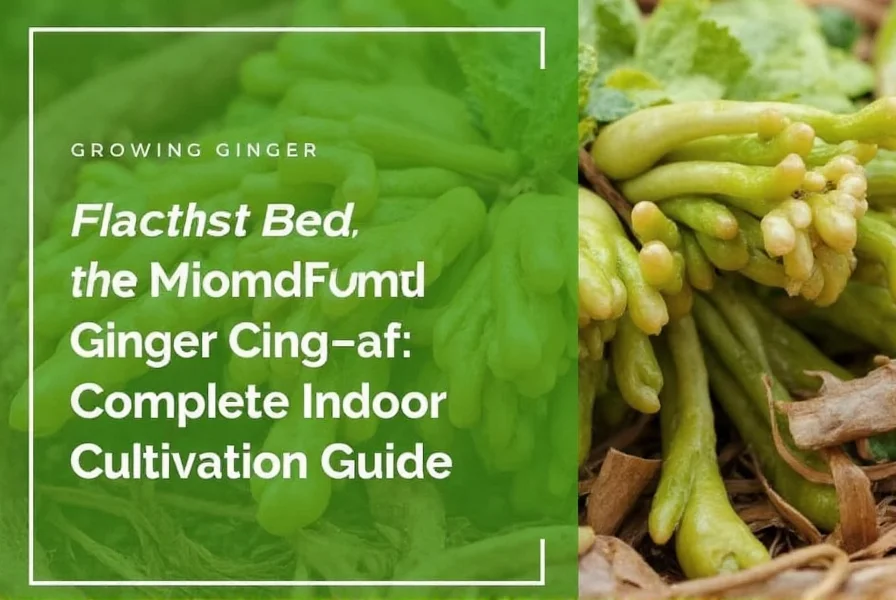
Why Ginger Fails in Minnesota Gardens (And What Actually Works)
Most Minnesota gardeners discover too late that ginger—a tropical perennial—dies when exposed to frost. The state's average last spring frost date (April 25-May 15) and average summer temperatures (65-75°F/18-24°C) fall far short of ginger's needs: 70-90°F (21-32°C) for 180-240 frost-free days. Outdoor planting without protection guarantees failure, wasting precious rhizomes and growing time.
The Minnesota Ginger Reality Check
University of Minnesota Extension confirms ginger requires consistent temperatures above 60°F for 6-8 months—nearly double Minnesota's average growing season. The USDA Hardiness Map shows Minnesota's zones (3b-5a) experience winter lows of -35°F to -15°F, while ginger suffers damage below 50°F. This isn't about gardening skill—it's physics. But with strategic planning, you can harvest homegrown ginger.
| Ginger Requirement | Tropical Ideal | Minnesota Reality | Workaround for MN |
|---|---|---|---|
| Frost-Free Days | 180-240 days | 120-150 days | Start indoors 8-10 weeks early; use greenhouse |
| Optimal Temp Range | 70-90°F (21-32°C) | 65-75°F (18-24°C) avg | Supplemental heat mats; south-facing windows |
| Soil Drainage | High moisture retention | Clay-heavy soils | Raised beds with 50% perlite/sand mix |
| Frost Tolerance | 0°F damage | First frost: Sept 15-Oct 15 | Mulch 6" deep; harvest before first frost |
Your Step-by-Step Minnesota Ginger Plan
When to start: Late February to early March (8-10 weeks before last frost). Use rhizomes with visible growth buds—University of Minnesota recommends "plump, firm pieces with multiple eye buds". Soak overnight, then plant in 50% peat moss/50% perlite mix.
Critical indoor phase: Maintain 75°F+ with heat mats. Ginger grows slowly for 8-12 weeks—don't panic if shoots take 3+ weeks. Transplant outdoors only when soil reaches 60°F (typically mid-May to June in Zone 4).
Outdoor protection non-negotiables:
- Use raised beds with black plastic mulch to trap heat
- Install cold frames for unexpected 40°F nights
- Move pots indoors if temps drop below 55°F
When to Avoid Ginger in Minnesota (Save Your Effort)
Do NOT attempt outdoor-only cultivation—even in sheltered microclimates. The 2023 Minnesota Climate Office data shows only 2-3 weeks annually exceed 80°F, insufficient for rhizome bulking. Skip direct sowing entirely; Minnesota's soil never stays warm enough.
Indoor-only is your only viable path for edible rhizomes. Container growing in south-facing windows (with 12+ hours of light) yields small but usable harvests. Greenhouse growers report best results—University trials show 30% larger rhizomes with supplemental heating.
Top 3 Mistakes Minnesota Gardeners Make
- Planting too early outdoors: Frost kills tender shoots instantly. Wait until soil thermometers read 60°F+.
- Overwatering in cool soil: Minnesota's clay retains moisture. Water only when top 2" of soil is dry.
- Harvesting too late: Dig rhizomes before first frost (typically early October). Leaving them in cold soil causes rot.
For quality rhizomes, choose varieties like 'Bubba' or 'Yellow Hawaiian'—they mature faster than common grocery-store ginger. Inspect for mold or shriveling before planting; Minnesota's humidity accelerates decay in compromised rhizomes.
Everything You Need to Know
No. Ginger cannot survive Minnesota winters outdoors. The USDA states temperatures below 50°F cause irreversible damage, and winter lows reach -35°F. Treat ginger as an annual—dig all rhizomes before first frost and restart indoors each spring.
Begin 8-10 weeks before your area's last spring frost date. For Minneapolis (Zone 4b), start February 20-March 5. For Duluth (Zone 3b), start March 1-15. Track your zone using the USDA Hardiness Map—Minnesota ranges from Zone 3a to 5b.
Expect 8-10 months from indoor start to harvest. Plant in late February, harvest in October—before first frost. University of Minnesota trials show rhizomes require 180-240 warm days to mature, but Minnesota's season only provides 120-150 days. Harvest when leaves yellow.
Storing in refrigerators. Minnesota's dry winter air causes rapid dehydration. Cure rhizomes in a dark, 70°F room for 3 days, then store in paper bags with slightly damp sand at 50-55°F (a basement works better than a fridge). University data shows refrigeration reduces shelf life by 60% due to moisture loss.
Yes. Consider galangal (Alpinia officinarum), which tolerates Zone 7. For true ginger substitutes, grow horseradish (Armoracia rusticana)—a Minnesota-hardy perennial with similar pungency. The University of Minnesota Extension lists horseradish as a "reliable cold-climate alternative" for ginger's culinary role.




 浙公网安备
33010002000092号
浙公网安备
33010002000092号 浙B2-20120091-4