
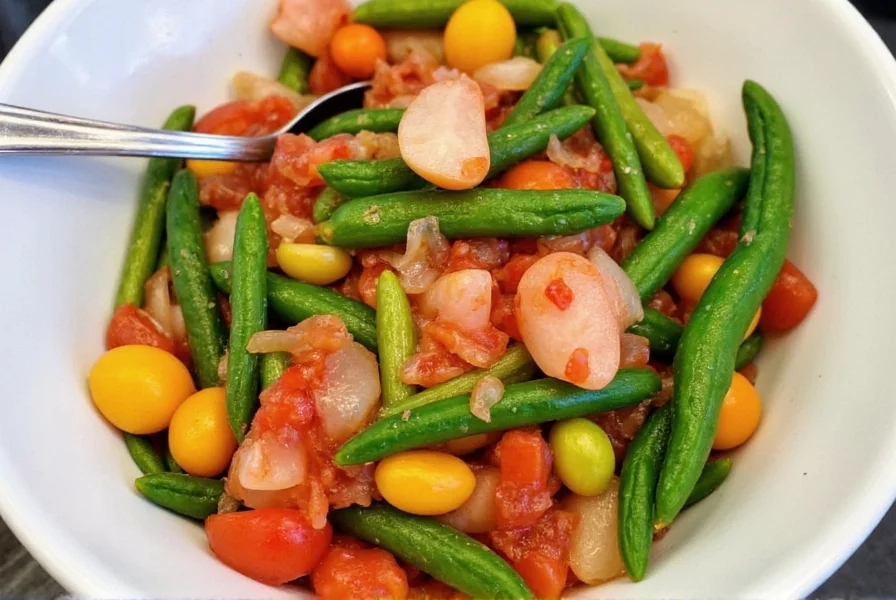
Giardiniera Galore: What Exactly Is Italian Giardiniera & Why Should You Care?
If you're a food lover with a taste for tangy, garlicky, and delightfully pickled flavors, then it's time to meet your new best friend — Italian giardiniera. But what exactly is this vibrant condiment that’s been stealing the spotlight in everything from sandwiches to Bloody Marys? Let’s dive into the briny, vinegary, herb-infused world of giardiniera!
Table of Contents
- What Is Italian Giardiniera?
- A Bit of History Behind the Jar
- What Does It Taste Like?
- Creative Ways to Use Giardiniera
- How to Make Your Own at Home
- Buying Guide: How to Choose the Best Giardiniera
- Frequently Asked Questions
- Final Thoughts
What Is Italian Giardiniera?
Giardiniera (pronounced jahr-dih-NAY-ruh) is an Italian-style pickled vegetable medley typically made with cauliflower, carrots, celery, bell peppers, and chilies. These veggies are marinated in a mixture of vinegar, oil, herbs, and spices like garlic, oregano, and peppercorns.
The result? A zesty, crunchy condiment that adds a punch of flavor to any dish. It’s often served as a side or topping and is especially popular in Chicago-style hot dogs and Italian beef sandwiches.
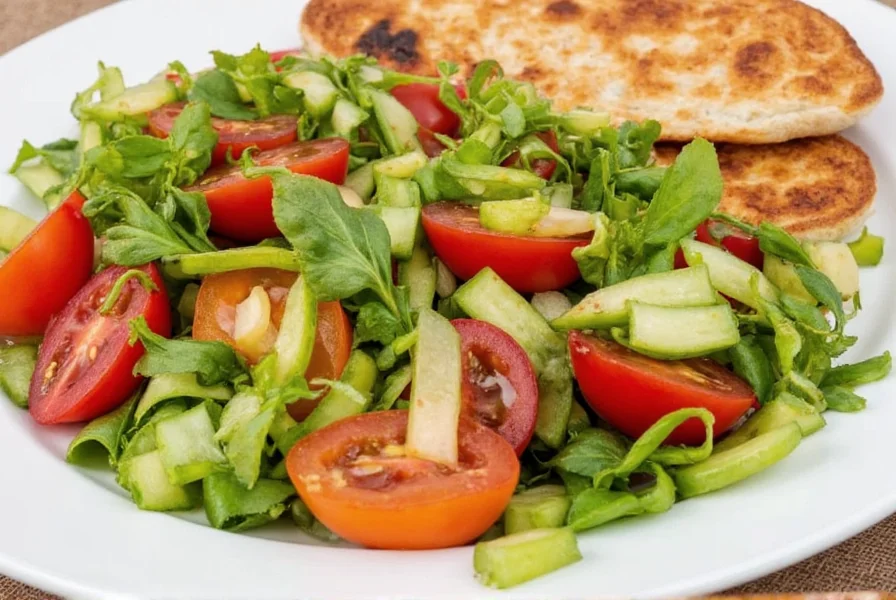
A Bit of History Behind the Jar
Originating in northern Italy, giardiniera means “from the garden” in Italian — fitting for a mix of preserved vegetables. Traditionally, Italians used this method to preserve their summer harvests for the colder months. Over time, immigrants brought the recipe to the United States, where it took on different forms, especially in places like Chicago.
In the U.S., there are two main styles:
- Chicago-style giardiniera: Oil-based, spicier, and chunkier.
- Mild giardiniera: Vinegar-based, less spicy, often found in supermarkets.
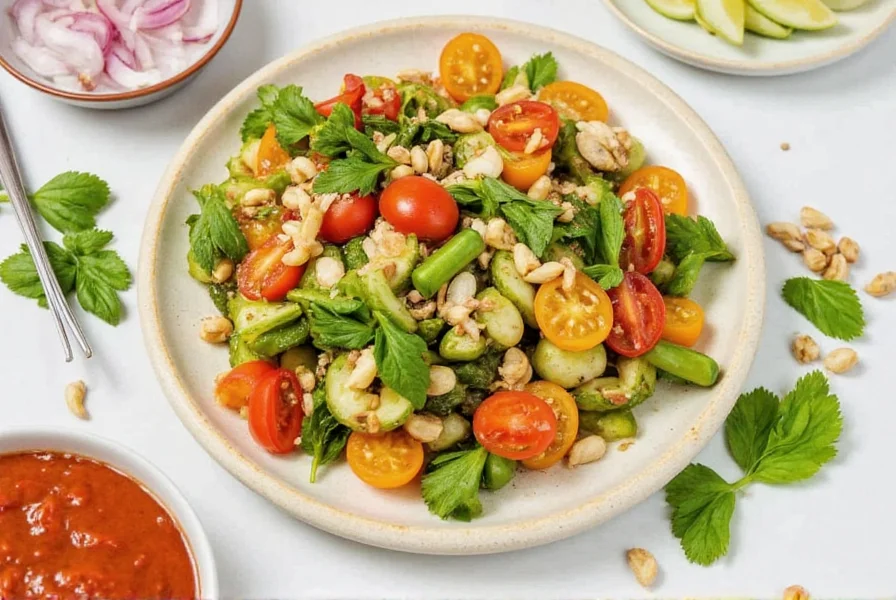
What Does It Taste Like?
Imagine a flavor explosion that’s:
- Tangy from vinegar or lemon juice
- Spicy if made with chili peppers
- Herbaceous thanks to oregano, basil, and bay leaves
- Crisp and refreshing due to the fresh vegetables used
It’s a bold, layered flavor that can brighten up even the dullest sandwich or salad. Think of it as nature’s MSG — but way more fun and full of fiber.
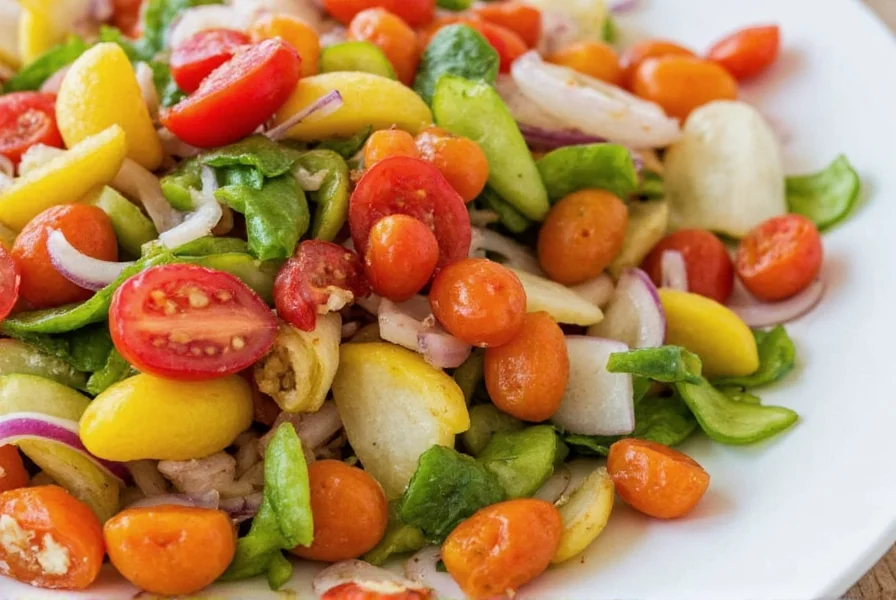
Creative Ways to Use Giardiniera
Don’t relegate giardiniera to just your sandwich tray! Here are some creative ways to make the most of this versatile condiment:
- Sandwich Topper Supreme: Add to Italian subs, paninis, or wraps for crunch and spice.
- Bloody Mary Boost: Use as a garnish for an extra kick to your morning cocktail.
- Pizza Perfection: Sprinkle over pizza before baking or after slicing for a zesty finish.
- Dip Base: Blend with mayo or sour cream for a quick dip for fries, nuggets, or crudité.
- Salad Enhancer: Toss into green salads or grain bowls for texture and flavor.
- Stew or Soup Surprise: Stir into tomato sauces or soups for added complexity.
How to Make Your Own at Home
Making giardiniera at home is easier than you might think. Here's a simple version to get you started:
Ingredients
- 1 cup cauliflower florets
- 1 cup carrots, sliced
- 1 cup celery stalks, chopped
- 1 red bell pepper, diced
- 2–3 jalapeños or chili peppers (optional)
- 2 cloves garlic, sliced
- 1 tbsp peppercorns
- 1 tsp mustard seeds
- 1 tsp dried oregano
- 1/2 tsp red pepper flakes
- 1 cup white wine vinegar
- 1 cup olive oil
Instructions
- Chop all vegetables into bite-sized pieces.
- Layer them in a sterilized glass jar, adding garlic, peppercorns, mustard seeds, oregano, and red pepper flakes.
- Pour in vinegar and olive oil until the vegetables are fully submerged.
- Seal the jar and refrigerate for at least 24 hours before use.
- Letting it sit longer enhances the flavor — best after 5–7 days.
Pro tip: Adjust the heat level by changing the type of chili you use — habaneros for serious fire, or mild poblanos for a subtle kick.
Buying Guide: How to Choose the Best Giardiniera
With so many varieties available in stores, here’s how to pick the perfect jar for your palate:
| Product Name | Style | Flavor Profile | Best For | Occasion |
|---|---|---|---|---|
| Marconi Giardiniera | Vinegar-based | Mild and tangy | Light sandwiches, charcuterie boards | Weekday lunch |
| Jimmy Red Hot Giardiniera | Oil-based | Spicy and punchy | Hot dogs, Bloody Marys, tacos | Game day snacking |
| Del Monte Mild Giardiniera | Vinegar-based | Gentle spice | Kids, beginners, salads | Family meals |
| Giuseppe Giardiniera Mix | Custom blend | Adjustable spice | Cooking, gifting | Holiday baskets |
| Trader Joe’s Spicy Giardiniera | Oil-based | Fermented, bold flavor | Connoisseurs, gourmet dishes | Dinner parties |
What to Look for When Buying Giardiniera
- Vegetable Variety: Cauliflower, carrots, celery, and peppers are classic. Some include olives or cucumbers for a twist.
- Base Type: Oil-based = richer and spicier; vinegar-based = lighter and crisper.
- Heat Level: Mild, medium, or hot — depends on the chilies used and whether they’re whole or sliced (seeds increase spice).
- Texture: Crisp is key! If it’s soggy, it’s past its prime.
- Preservatives: Look for natural ingredients and minimal additives.
Frequently Asked Questions
Is giardiniera the same as pickles?
Nope! While both are pickled, giardiniera includes multiple vegetables and a wider range of seasonings. Pickles are usually just cucumbers in brine.
How long does giardiniera last?
Commercially bottled giardiniera lasts up to a year unopened. Once opened, keep refrigerated and consume within 6–8 weeks. Homemade versions should be eaten within 2–3 weeks for best quality.
Can I substitute giardiniera in recipes?
If you don’t have giardiniera handy, try substituting with a mix of pickled peppers, cucumbers, and carrots. You’ll miss some depth, but it’ll work in a pinch.
Is giardiniera healthy?
Yes! It’s low in calories, high in fiber, and rich in antioxidants from the colorful vegetables. However, it can be high in sodium, so enjoy in moderation.
Final Thoughts
Whether you call it a condiment, a topping, or a flavor bomb, Italian giardiniera deserves a spot in your pantry. Its vibrant taste and versatility make it a must-have for anyone who loves bold, pickled flavors. From homemade batches to store-bought gems, there’s a giardiniera out there for every palate and occasion.
So go ahead — open that jar, take a whiff, and let your taste buds travel to a sun-soaked Italian garden. And remember: when life gives you bland food, giardiniera is always the answer.




 浙公网安备
33010002000092号
浙公网安备
33010002000092号 浙B2-20120091-4