
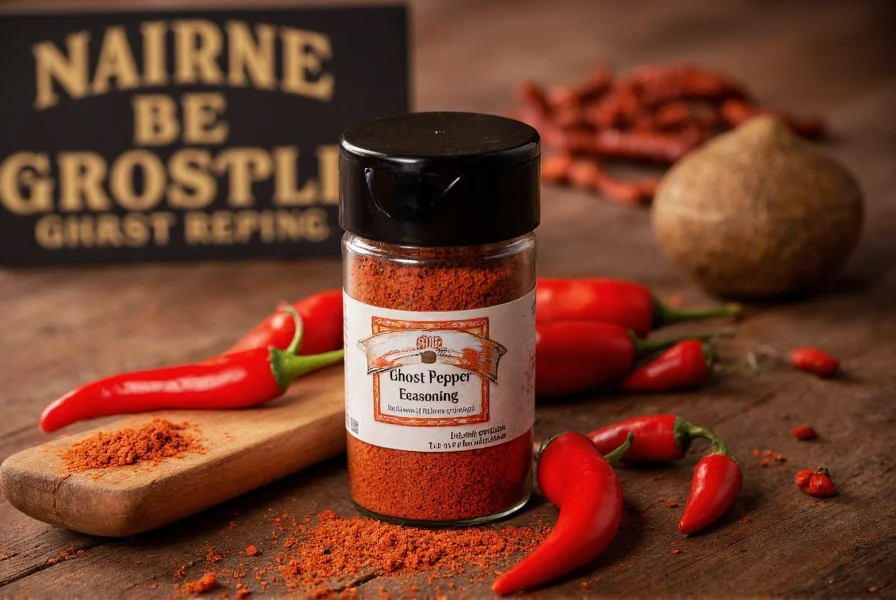
When exploring ghost pepper seasoning, understanding its unique properties is essential for safe and effective culinary use. This potent blend transforms ordinary dishes with intense heat followed by distinctive fruity, smoky notes—characteristics that distinguish it from milder chili powders. Proper handling and measured application separate successful culinary experiments from overwhelming experiences.
What Exactly Is Ghost Pepper Seasoning?
Ghost pepper seasoning isn't simply ground ghost peppers. Most commercial and homemade blends combine Bhut Jolokia powder with supporting ingredients like garlic, onion, salt, paprika, and cumin. This strategic formulation achieves two critical objectives: moderating the pepper's extreme heat while enhancing its natural flavor complexity. Pure ghost pepper powder measures between 800,000-1,041,427 Scoville Heat Units (SHU), while thoughtfully crafted ghost pepper seasoning recipes typically range from 50,000-200,000 SHU—making them substantially more versatile in everyday cooking.
| Pepper Type | Scoville Range | Ghost Pepper Seasoning Equivalent |
|---|---|---|
| Ghost Pepper (Pure) | 800,000-1,041,427 SHU | 100% Ghost Pepper |
| Typical Ghost Pepper Blend | 50,000-200,000 SHU | 15-30% Ghost Pepper |
| Cayenne Pepper | 30,000-50,000 SHU | N/A |
| Jalapeño Pepper | 2,500-8,000 SHU | N/A |
Scoville ratings verified through New Mexico State University's Chile Pepper Institute laboratory testing (2007), establishing Bhut Jolokia's baseline heat profile. [Source]
Historical Context: The Ghost Pepper's Global Journey
Ghost pepper's transition from regional specialty to global phenomenon followed a distinct scientific validation pathway:
- Pre-2000: Cultivated exclusively in Assam/Nagaland (India) for local cuisine and traditional medicine, with no standardized heat measurement
- 2006: First submitted for official testing after Assam Agriculture University recorded 855,000–1,041,427 SHU in field samples
- 2007: Scientifically validated by New Mexico State University's Chile Pepper Institute through HPLC analysis, confirming world-record status [Source]
- 2010-2012: Commercial seasoning blends emerged globally following Guinness World Records certification (2007) and FDA approval for food additives
- Present: While surpassed by newer cultivars (e.g., Carolina Reaper), ghost pepper remains the benchmark for balanced super-hot seasoning applications due to its distinctive flavor-heat ratio
This evidence-based trajectory—from undocumented regional ingredient to scientifically verified global commodity—demonstrates how rigorous validation enables culinary adoption of extreme-heat ingredients.
Flavor Profile Beyond the Heat
The distinctive appeal of ghost pepper seasoning heat level lies in its flavor progression. Unlike single-dimensional heat sources, ghost peppers deliver an initial sweet, fruity aroma reminiscent of apricots or berries, followed by smoky undertones, and finally the intense burn that made them famous. This complex flavor development makes them particularly valuable in slow-cooked dishes where the seasoning has time to integrate fully. Understanding this progression helps home cooks determine optimal usage timing—adding ghost pepper seasoning early develops flavor complexity, while later additions preserve more pronounced heat.
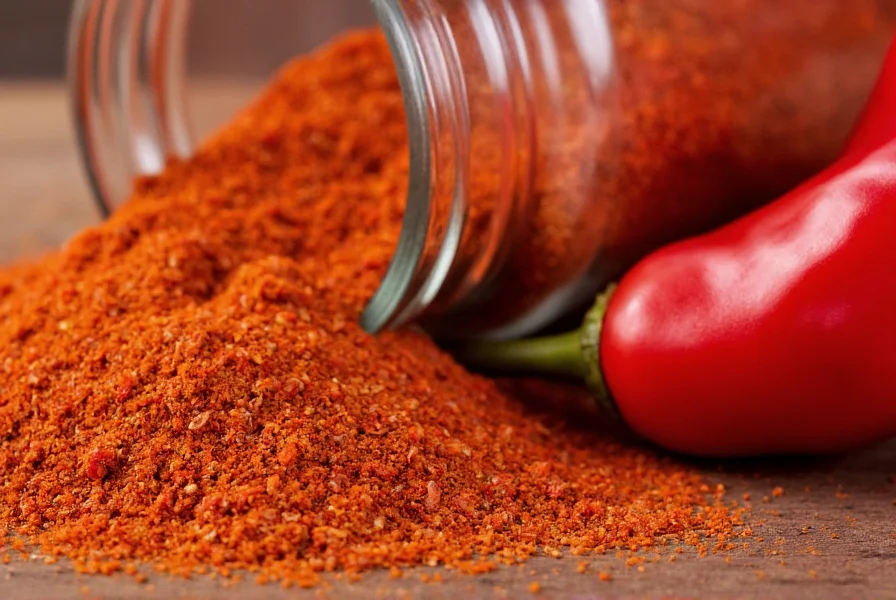
Practical Culinary Applications
Mastering how to use ghost pepper seasoning requires respecting its potency while leveraging its unique qualities. Start with conservative measurements—⅛ teaspoon often suffices for a standard recipe serving four people. Ideal applications include:
- Meat rubs: Combine with brown sugar and smoked paprika for ribs or brisket
- Barbecue sauces: Add depth to tomato-based sauces (start with ¼ teaspoon per cup)
- Stews and chili: Incorporate during simmering for integrated heat
- Marinades: Use with acidic components like lime juice to balance heat
Professional chefs often employ the "taste as you go" method: mix seasoning into a small portion of sauce first, evaluate heat level, then scale to the entire batch. This prevents irreversible over-spicing—a critical consideration when working with ghost pepper seasoning substitutes aren't readily available.
Safety Protocols for Handling
Working with ghost pepper seasoning demands proper precautions. Always wear food-safe gloves when handling pure ghost pepper powder, and avoid touching your face. The capsaicin oils can transfer to sensitive areas, causing significant discomfort. If accidental contact occurs, use milk or yogurt to neutralize the burn—water merely spreads the oils. When cooking, ensure adequate ventilation as airborne particles can irritate respiratory passages. Never inhale directly from the container, a common mistake when assessing ghost pepper seasoning flavor profile.
Critical Usage Limitations: Contextual Boundaries
Ghost pepper seasoning's application requires understanding of physiological and culinary constraints:
- Physiological limits: Contraindicated for individuals with gastrointestinal disorders. The American College of Gastroenterology states capsaicin exacerbates GERD and peptic ulcer symptoms by increasing gastric acid secretion and mucosal irritation [Source]
- Culinary incompatibility: Unsuitable for dishes requiring delicate flavor balance (e.g., poached fish, custards, or mild cheeses) where heat would dominate
- Temperature sensitivity: Capsaicin degrades above 160°F (71°C), losing both heat and flavor complexity. Avoid in high-heat applications like deep-frying if preserving full flavor profile is desired
- Delayed reaction window: Heat onset occurs 30-45 seconds after consumption, making it problematic in quick-taste adjustments for immediate-serve dishes
Recognizing these boundaries transforms potentially hazardous experimentation into informed culinary decision-making.
Creating Your Own Custom Blend
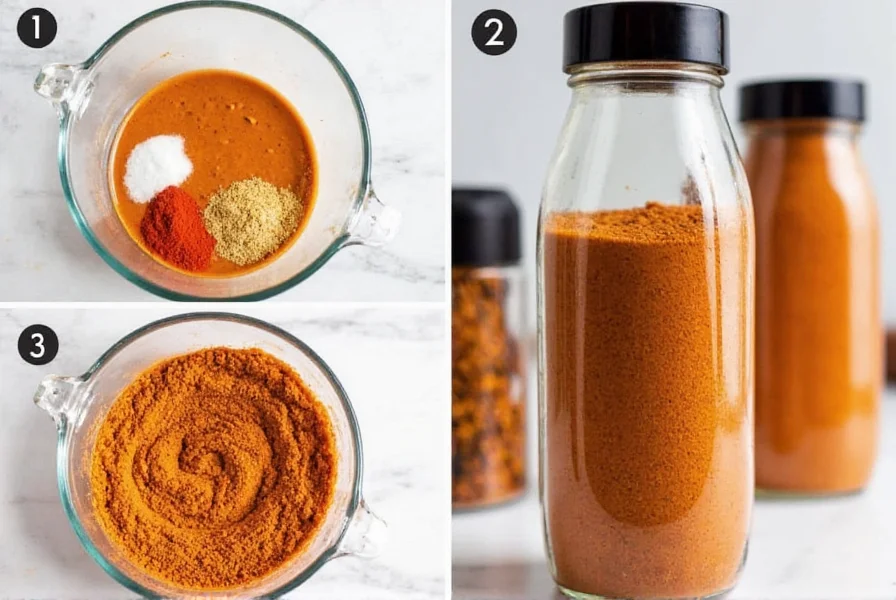
Many enthusiasts prefer making ghost pepper seasoning at home to control heat levels and flavor components. A balanced beginner-friendly recipe:
- 2 tablespoons ghost pepper powder (adjust for heat preference)
- 3 tablespoons smoked paprika
- 1 tablespoon garlic powder
- 1 tablespoon onion powder
- 1 tablespoon dried oregano
- 2 teaspoons sea salt
- 1 teaspoon black pepper
Mix thoroughly in a glass bowl using a silicone spatula (metal can react with capsaicin), then store in an airtight container away from light and moisture. Properly stored, homemade blends maintain potency for 6-8 months. This customization approach addresses the common question of is ghost pepper seasoning too hot by allowing precise heat adjustment.
Strategic Substitutions
When ghost pepper seasoning isn't available or appropriate for a dish's heat requirements, consider these thoughtful alternatives:
- For similar heat profile: 1:1.5 ratio of Trinidad Moruga Scorpion seasoning
- Moderate heat alternative: Double the amount of cayenne pepper (recognizing ghost pepper seasoning vs cayenne differs significantly in flavor complexity)
- Smoky alternative: Chipotle powder with a pinch of cayenne for heat
- Fruity alternative: Habanero powder for similar fruit notes at lower heat
Remember that substitutions affect both heat measurement and flavor composition—ghost peppers offer unique tropical fruit notes absent in many alternatives. When adapting recipes requiring ghost pepper seasoning substitutes, consider whether you're prioritizing heat replication or flavor matching.
Storage and Shelf Life Considerations
Preserving ghost pepper seasoning's potency requires proper storage. Light and moisture rapidly degrade capsaicin and volatile flavor compounds. Store in opaque, airtight containers in a cool, dark cupboard—never above the stove where heat fluctuates. Avoid refrigeration, which introduces moisture when containers are opened. Properly stored commercial blends maintain peak quality for 12-18 months, while homemade versions last 6-8 months. Discard if the vibrant red color fades significantly or the characteristic aroma diminishes.




 浙公网安备
33010002000092号
浙公网安备
33010002000092号 浙B2-20120091-4