

Creating an exceptional ghost pepper chicken sandwich requires understanding both the science of extreme heat and culinary techniques that transform potentially overwhelming spice into a balanced, memorable eating experience. Ghost peppers (Bhut Jolokia) rank among the world's hottest chilies, measuring over one million Scoville Heat Units—more than 400 times hotter than Tabasco sauce. When properly incorporated, they add complex fruity notes alongside intense heat that can elevate a simple chicken sandwich into a culinary adventure.
Understanding Ghost Pepper Characteristics
Ghost peppers originated in Northeast India and earned their name because locals believed the heat could "kill your ghost". Their distinctive flavor profile combines:
| Characteristic | Description | Impact on Sandwich |
|---|---|---|
| Heat Level | 800,000-1,041,427 SHU | Requires careful portion control |
| Flavor Notes | Fruity, smoky, floral | Adds complexity beyond just heat |
| Heat Development | Delayed onset (15-45 seconds) | Creates surprise element for eaters |
| Heat Duration | 30-45 minutes | Requires strategic pairing with cooling elements |
Historical Evolution of Ghost Peppers
Ghost peppers transitioned from regional ingredients to global culinary phenomena through documented scientific milestones. Key developments verified by agricultural research institutions include:
| Time Period | Key Development | Verification Source |
|---|---|---|
| Pre-2000 | Centuries of traditional cultivation in Assam/Nagaland (India) for medicinal and culinary use | New Mexico State University Chile Pepper Institute |
| 2004 | First scientific validation confirming 1,001,304 SHU measurement at NMSU | NMSU Research Publication |
| 2007 | Official recognition as world's hottest chili by Guinness World Records | Guinness World Records Certification |
| 2011-Present | Integration into mainstream cuisine through controlled heat applications in sandwiches and sauces | USDA Food Safety and Inspection Service |
Safety First: Handling Ghost Peppers Properly
Before creating your ghost pepper chicken sandwich, implement these essential safety measures:
- Wear nitrile gloves when handling peppers (latex won't protect against capsaicin)
- Avoid touching your face, especially eyes and nose, during preparation
- Work in a well-ventilated area to prevent inhaling capsaicin particles
- Use dedicated cutting boards and utensils that won't transfer heat to other foods
- Have dairy products (milk, yogurt) readily available for accidental exposure
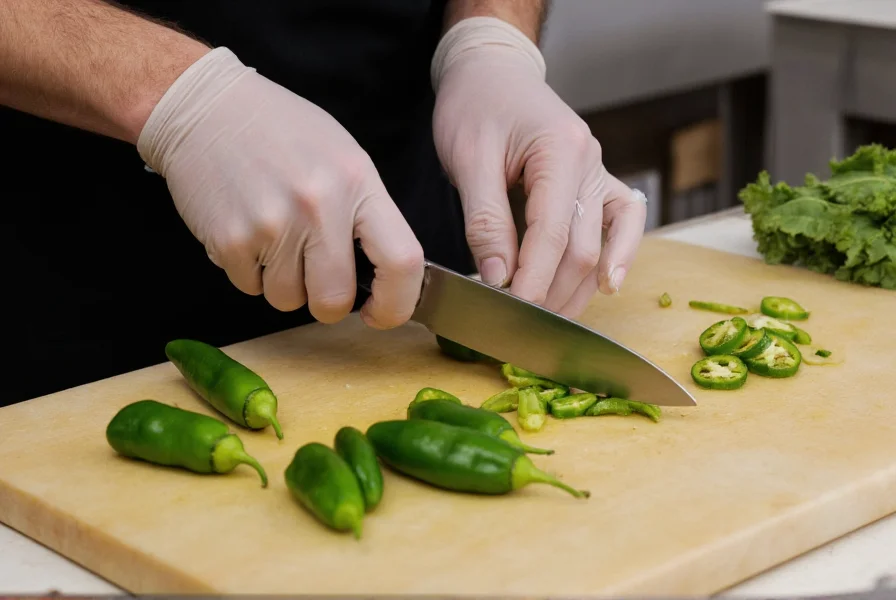
Perfect Ghost Pepper Chicken Sandwich Recipe
This balanced recipe delivers intense flavor without overwhelming heat. Makes 4 sandwiches.
Ingredients
- 4 boneless, skinless chicken breasts ( pounded to ½-inch thickness)
- 2 ghost peppers (seeds removed for moderate heat, keep seeds for extreme)
- 1 cup buttermilk
- 2 tbsp honey
- 1 tbsp apple cider vinegar
- 1½ cups panko breadcrumbs
- 4 brioche buns, toasted
- ¼ cup cream cheese
- 1 ripe avocado, sliced
- ¼ cup pickled red onions
Preparation Method
- Marinate chicken: Combine buttermilk, 1 minced ghost pepper (seeds removed), honey, and vinegar. Soak chicken for 2-4 hours.
- Create coating: Mix panko with remaining minced ghost pepper (adjust amount based on desired heat level).
- Fry chicken: Dredge marinated chicken in panko mixture. Fry at 350°F for 5-6 minutes until internal temperature reaches 165°F.
- Build sandwich: Spread cream cheese on bottom bun, add chicken, avocado slices, and pickled onions.
Heat Management Techniques
Professional chefs use these methods to balance ghost pepper heat in chicken sandwiches:
- Fat incorporation: Cream cheese or avocado creates a barrier against capsaicin absorption
- Acid balancing: Pickled onions or citrus-based slaw cut through heat intensity
- Sugar counterpoint: Honey in marinade neutralizes some capsaicin molecules
- Starch buffering: Brioche buns absorb excess oil containing capsaicin
- Delayed heat strategy: Inform eaters about the delayed heat onset to prevent overconsumption
Common Mistakes to Avoid
Even experienced cooks make these errors with ghost pepper chicken sandwiches:
- Overestimating tolerance: Start with ¼ teaspoon minced ghost pepper per sandwich and adjust upward
- Improper seed removal: Ghost pepper seeds contain concentrated capsaicin—remove thoroughly for moderate heat
- Direct skin contact: Always wear gloves; capsaicin can transfer to sensitive areas hours later
- Insufficient resting time: Let cooked chicken rest 5 minutes before assembling to allow heat distribution
- Neglecting cooling elements: Essential pairings like cucumber raita or mango chutney provide necessary relief
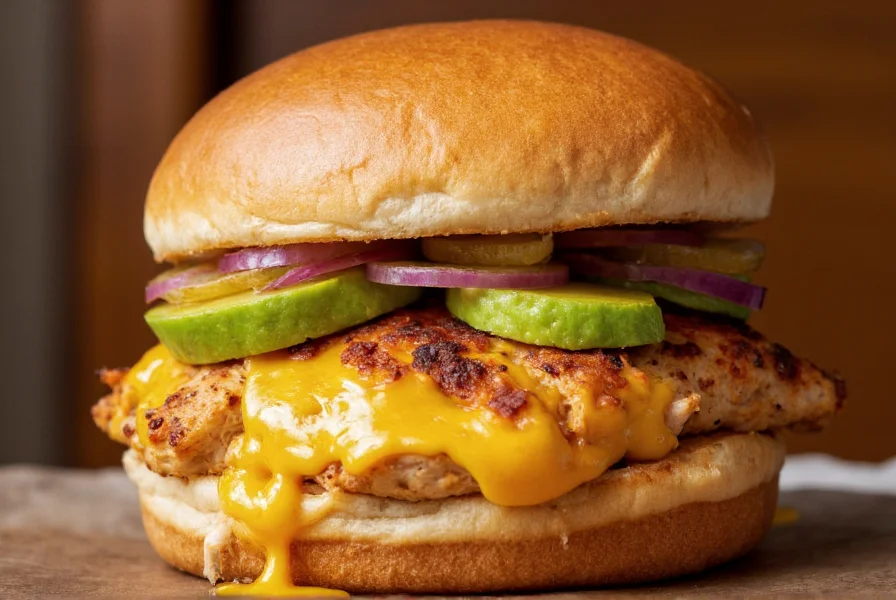
Serving Recommendations
Maximize enjoyment of your ghost pepper chicken sandwich with these pairing suggestions:
- Cooling beverages: Mango lassi, coconut water, or milk-based drinks (alcohol intensifies capsaicin perception)
- Side dishes: Cucumber salad, potato salad, or cornbread provide starch-based heat relief
- Dipping sauces: Raita or cooling aioli (½ cup mayo + ¼ cup Greek yogurt + 1 tbsp lime juice)
- Timing: Serve as a special occasion item rather than everyday meal due to intensity
Ghost Pepper Alternatives for Different Heat Preferences
Not ready for full ghost pepper intensity? Try these alternatives for your chicken sandwich:
- Milder option: Habanero peppers (100,000-350,000 SHU) with similar fruity notes but less intense heat
- Intermediate: Trinidad Moruga Scorpion (1.2-2 million SHU) for more complex heat profile
- Commercial alternative: Dave's Insanity Sauce (180,000 SHU) offers controlled heat levels
- Beginner-friendly: Chipotle peppers in adobo (2,500-8,000 SHU) for smoky flavor without extreme heat
Contextual Limitations and Responsible Consumption
Ghost pepper chicken sandwiches require awareness of critical limitations supported by medical research and health authorities:
- Gastrointestinal Sensitivity: The American College of Gastroenterology advises against extreme chilies for individuals with ulcers, IBS, or GERD, as capsaicin increases gastric acid secretion and mucosal irritation (ACG Clinical Guidance).
- Age Restrictions: Children under 12 should avoid ghost peppers due to heightened sensitivity; the American Academy of Pediatrics recommends gradual spice introduction in childhood (AAP Dietary Guidelines).
- Medication Interactions: Capsaicin may interfere with blood thinners and diabetes medications per the National Center for Complementary and Integrative Health (NCCIH Safety Advisory).
Frequently Asked Questions
How much ghost pepper should I use for a single chicken sandwich?
Start with ¼ to ½ teaspoon of finely minced ghost pepper per sandwich. For extreme heat, include some seeds. Always remove seeds for moderate heat. Remember that heat perception varies significantly between individuals, so begin conservatively and adjust in subsequent preparations.
What should I do if I accidentally touch my face after handling ghost peppers?
Immediately wash the affected area with soap and cold water—avoid hot water as it opens pores. Apply milk, yogurt, or vegetable oil to dissolve the capsaicin oil. For eye exposure, flush with saline solution or cool water for 15 minutes. Never rub affected areas as this spreads the capsaicin.
Can I reduce the heat of a ghost pepper chicken sandwich after it's made?
Yes, but prevention is better than correction. If your sandwich is too spicy, add cooling elements like avocado slices, cream cheese spread, or a dollop of Greek yogurt. Dairy-based sauces work best as capsaicin is fat-soluble. Unfortunately, you cannot remove heat once incorporated, so always start with less pepper than you think you'll need.
How long does the heat from a ghost pepper chicken sandwich last?
The intense heat sensation typically peaks within 2-5 minutes of eating and gradually subsides over 30-45 minutes. Complete heat elimination from your system takes 2-4 hours. The duration varies based on individual tolerance, the amount consumed, and whether cooling elements were included in the sandwich or as accompaniments.
What's the difference between using fresh ghost peppers versus ghost pepper sauce in a chicken sandwich?
Fresh ghost peppers provide brighter, more complex flavor with immediate heat development, while sauces often contain vinegar and other ingredients that alter the flavor profile. Commercial sauces vary significantly in heat concentration—some may be diluted while others are concentrated. Fresh peppers allow precise heat control, whereas sauces require careful tasting before incorporation as their Scoville ratings can be inconsistent.




 浙公网安备
33010002000092号
浙公网安备
33010002000092号 浙B2-20120091-4