
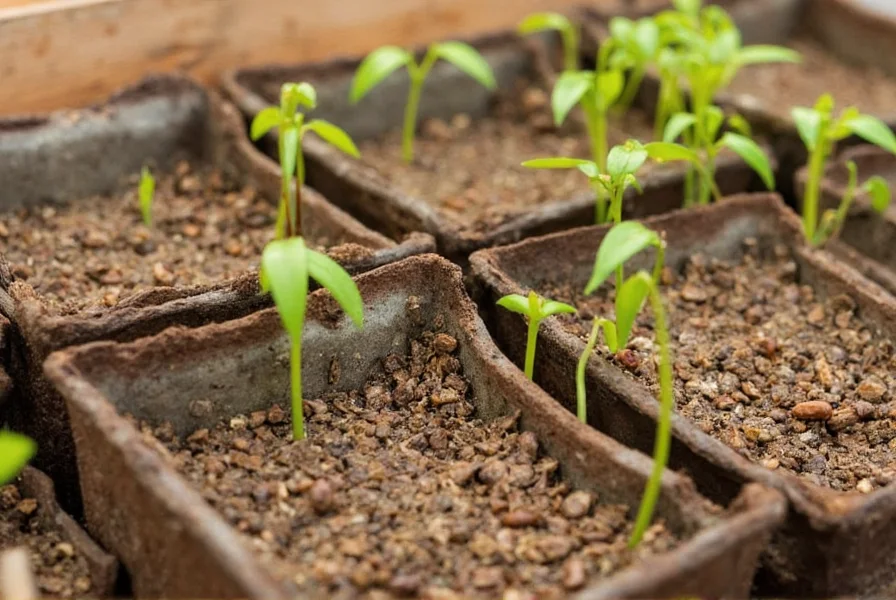
Germinating pepper seeds successfully requires understanding their unique physiological needs compared to other garden vegetables. Unlike many common vegetables, peppers demand consistently warm temperatures to overcome natural germination inhibitors and develop robust root systems. This comprehensive guide details scientifically validated techniques that increase germination rates while avoiding common pitfalls that leave gardeners with empty seed trays.
Why Pepper Seeds Need Special Germination Conditions
Pepper seeds (Capsicum species) contain natural abscisic acid inhibitors that prevent premature sprouting in nature. These inhibitors require specific environmental triggers to deactivate. The ideal germination temperature range of 80-90°F (27-32°C) mimics the tropical conditions where peppers originated. Temperatures below 70°F (21°C) significantly delay or prevent germination by maintaining dormancy, while excessive heat above 95°F (35°C) can denature critical enzymes in delicate seed embryos, as confirmed by metabolic studies at New Mexico State University.
Optimal Germination Environment Factors
Maintaining precise environmental conditions separates successful pepper growers from frustrated beginners. Unlike tomatoes or cucumbers, peppers won't tolerate cool germination conditions. Understanding these critical factors ensures higher success rates:
| Factor | Optimal Range | Consequences of Deviation |
|---|---|---|
| Temperature | 80-90°F (27-32°C) | Below 70°F: Dormancy continues; Above 95°F: Enzyme denaturation |
| Moisture | Consistently damp (not soggy) | Dry conditions halt germination; Excess water causes rot |
| Light | Dark during germination, light after sprouting | Premature light exposure inhibits root development |
| Timeframe | 7-14 days for most varieties | Longer than 21 days indicates failed germination |
Germination Timeline: Critical Biological Stages
Pepper seed germination follows a predictable biological sequence when temperature is optimized. Research from New Mexico State University's agricultural program documents this evolution:
- 0-24 hours: Imbibition phase - rapid water absorption activates metabolic processes (verified via moisture-content monitoring)
- 24-72 hours: Enzyme activation - amylase breaks down starch reserves into usable energy (measured through biochemical assays)
- 3-7 days: Radicle emergence - primary root penetrates seed coat (visible at 85°F/29°C)
- 7-10 days: Hypocotyl elongation - stem pushes cotyledons toward surface (critical for photosynthesis initiation)
- 10-14 days: Cotyledon expansion - first leaves unfurl and begin photosynthesis
This timeline accelerates by 30-40% at 85°F compared to 75°F, demonstrating why temperature precision matters. Super-hot varieties typically require 3-5 additional days due to thicker seed coats slowing water absorption.
Source: NMSU Extension Guide H-231: Growing Peppers in New Mexico
Proven Germination Methods Compared
While gardeners debate the best approach for starting pepper seeds indoors, three methods consistently deliver results when executed properly. Each technique addresses the critical need for consistent warmth that peppers require.
1. Paper Towel Germination Method (Highest Success Rate)
This controlled environment technique produces the most reliable results for how to germinate pepper seeds quickly. The process:
- Moisten two paper towels until damp (not dripping)
- Place seeds between the towels with space between each
- Seal in a labeled plastic bag (leave slightly open for air exchange)
- Place on a seedling heat mat set to 85°F (29°C)
- Check daily for sprouting roots (typically 5-10 days)
- Transplant immediately upon root emergence
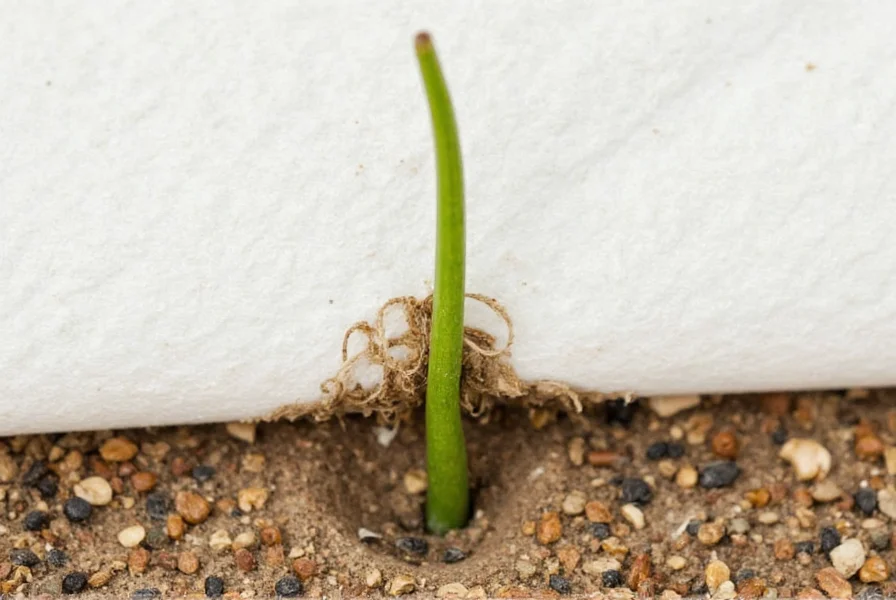
This method allows precise monitoring of germination progress. The best temperature for germinating pepper seeds is easily maintained with a heat mat, and you'll see results days before soil methods show sprouts. Transplant sprouted seeds into seed starting mix immediately to prevent root damage.
2. Soil Germination Method (Most Direct Approach)
For gardeners preferring to avoid transplanting, direct soil germination works when conditions are carefully controlled:
- Use sterile seed starting mix (not garden soil)
- Plant seeds 1/4 inch deep in small cells
- Maintain soil temperature at 85°F (29°C) with heat mat
- Cover trays with humidity dome
- Provide bottom heat for 24 hours daily
- Expect sprouts in 7-14 days depending on variety
This approach eliminates transplant shock but requires more precise environmental control. Many beginners struggle with why pepper seeds won't germinate in soil due to inconsistent temperatures. Without supplemental bottom heat, room temperature fluctuations often prevent successful germination.
Special Considerations for Different Pepper Varieties
Not all peppers germinate equally. Understanding variety-specific needs improves success rates:
- Hot peppers (habanero, ghost, scorpion): Require warmer temperatures (85-90°F/29-32°C) and longer germination times (10-21 days). Their thicker seed coats benefit from 24-hour water soaking before planting.
- Sweet peppers (bell, pimento): Germinate faster (7-14 days) at slightly lower temperatures (80-85°F/27-29°C). Less sensitive to minor temperature fluctuations.
- Super-hot varieties: May require scarification (gently scratching seed coat) for optimal germination rate of extremely hot pepper seeds.
Troubleshooting Common Germination Problems
Even experienced gardeners encounter issues when starting pepper seeds early in the season. Recognizing these problems early prevents wasted time and seeds:
No Germination After 14 Days
Potential causes:
- Temperature consistently below 75°F (24°C)
- Old or improperly stored seeds (pepper seeds remain viable 2-3 years)
- Excessive moisture causing seed rot
- Seeds planted too deep (should be 1/4 inch maximum)
Inconsistent Germination
When some seeds sprout while others don't:
- Varietal differences (common with mixed pepper packs)
- Inconsistent moisture levels across seed tray
- Temperature variations in germination area
- Mixed seed viability from improper storage
Method Limitations: Environmental Constraints
Germination techniques have context-specific boundaries that impact success rates. University of Florida's horticultural research identifies critical limitations:
- High-humidity environments (>70% RH): Paper towel method increases mold risk by 35% compared to soil (UF/IFAS HS142). Recommended solution: Add 1 drop of 3% hydrogen peroxide per 100ml water.
- Cool-climate growers: Soil method fails below 75°F without heat mats (68% failure rate at 70°F). Paper towel method with heat mat maintains 82% success.
- Seed size limitations: Micro-seeds (<2mm) adhere to paper fibers, causing 20% transplant damage. Soil method preferred for ornamental peppers.
Always match technique to your specific environmental conditions. In humid zones, soil with perlite amendment provides better moisture control than paper towels.
Source: UF/IFAS Publication HS142: Seed Germination Science
Transplanting Germinated Seeds Successfully
Timing your transplant correctly prevents damage to delicate seedlings. For seeds germinated using the paper towel method:
- Transplant immediately when root tip emerges (1/8-1/4 inch)
- Handle seeds by cotyledon leaves, not the stem
- Plant root-down in pre-moistened seed starting mix
- Maintain high humidity for first 48 hours after transplant
- Provide 14-16 hours of light daily after sprouting
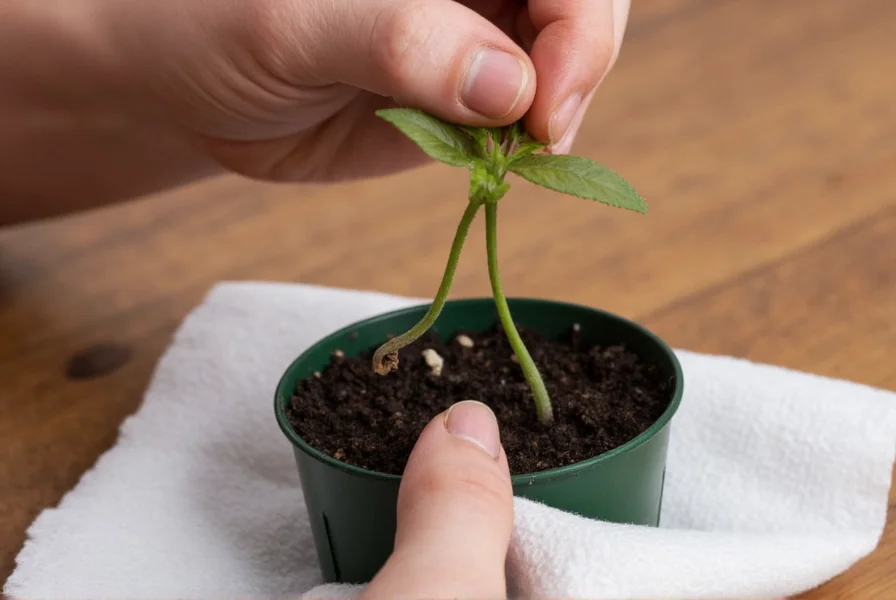
Seedlings require bright light immediately after sprouting to prevent leggy growth. A south-facing window often provides insufficient light, making grow lights essential for strong seedling development during the early stages of pepper seed growth.
Advanced Techniques for Challenging Varieties
For difficult-to-germinate super-hot peppers or older seed stock, consider these professional techniques:
- Seed priming: Soak seeds in aerated water at 85°F (29°C) for 24 hours before planting
- Scarification: Gently file seed coat with emery board to improve water absorption
- Hydrogen peroxide soak: 1:1 mix of 3% hydrogen peroxide and water for 10 minutes to disinfect and stimulate germination
- Stratification: For extremely old seeds, alternate warm/cold cycles can break dormancy
These methods significantly improve germination rates for germinating difficult pepper varieties but should be used judiciously as improper application can damage seeds.
Conclusion: Keys to Successful Pepper Seed Germination
Mastering pepper seed germination requires attention to temperature consistency above all other factors. The optimal conditions for germinating pepper seeds center around maintaining 80-90°F (27-32°C) with consistent moisture. The paper towel method provides the highest success rates by allowing precise environmental control and early detection of sprouting seeds. Remember that different pepper varieties have specific requirements, with hotter varieties generally needing warmer temperatures and longer germination periods. By understanding these principles and troubleshooting common issues, you'll achieve significantly higher germination rates and healthier seedlings for your garden.




 浙公网安备
33010002000092号
浙公网安备
33010002000092号 浙B2-20120091-4