
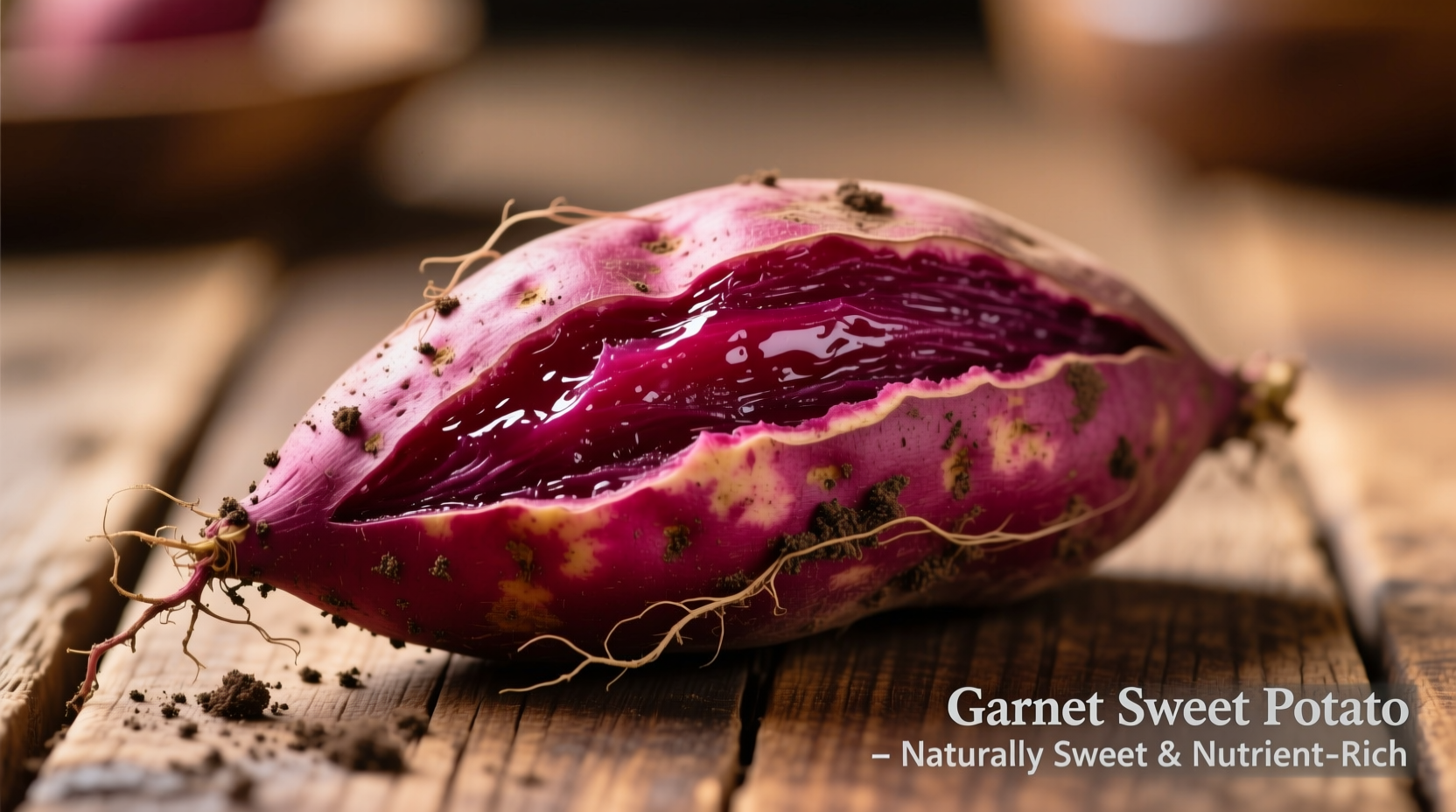
When you reach for a garnet sweet potato at the grocery store, you're choosing one of the most nutritionally dense and versatile root vegetables available. This deep red-skinned variety with its bright orange flesh delivers exceptional flavor and health benefits that set it apart from other sweet potato types. Understanding what makes garnet sweet potatoes special helps you maximize their culinary potential while boosting your nutrient intake.
What Exactly Is a Garnet Sweet Potato?
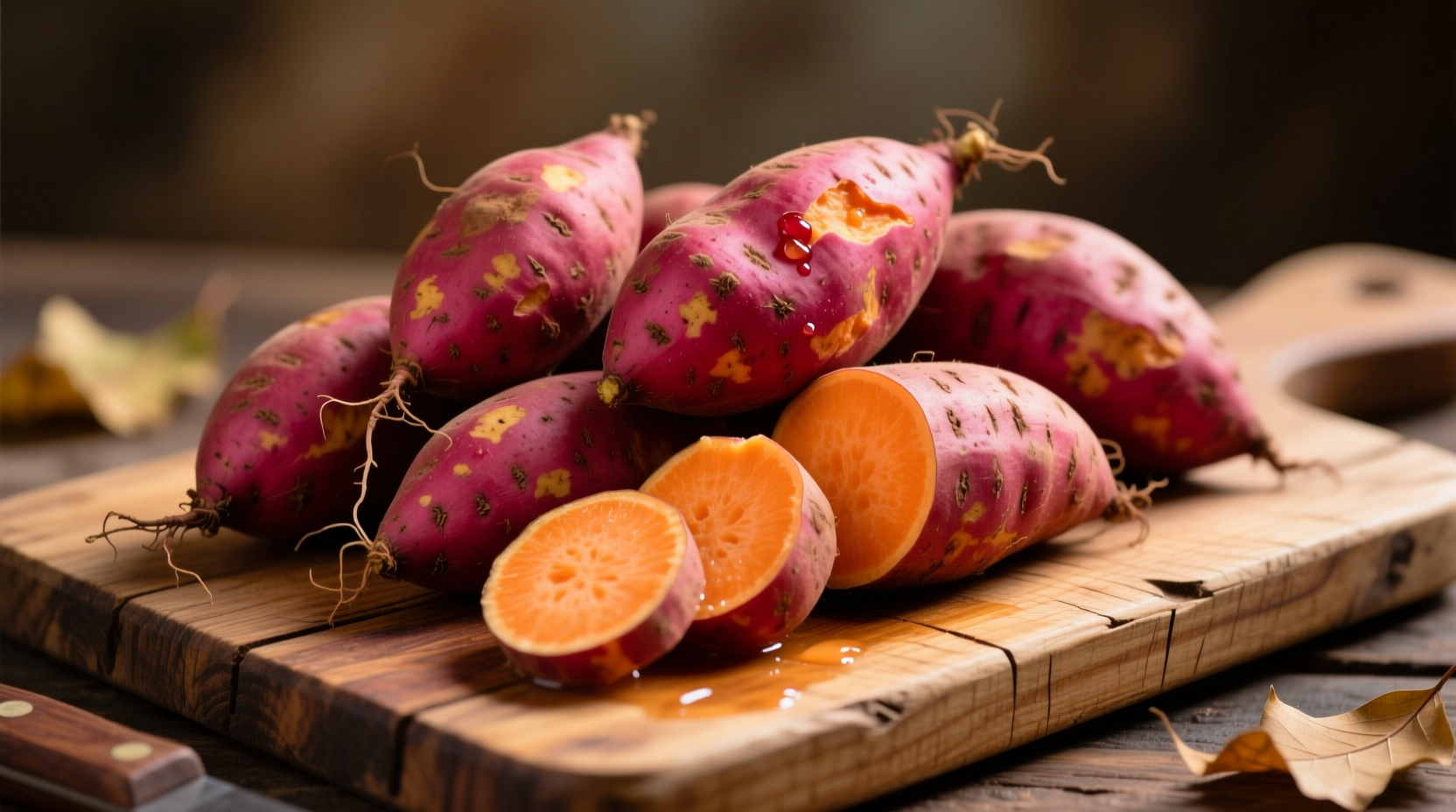
Garnet sweet potatoes (Ipomoea batatas) belong to the morning glory family and represent one of the most popular cultivars grown in the United States. Unlike the purple-skinned Stokes Purple variety or the pale-skinned Hannah sweet potato, garnets feature distinctive deep copper-red skin that contrasts beautifully with their vibrant orange interior.
Developed through careful breeding programs, the garnet variety emerged as a preferred commercial cultivar due to its excellent storage qualities, consistent shape, and superior sweetness. According to the USDA Agricultural Research Service, garnet sweet potatoes contain higher concentrations of beta-carotene compared to many other varieties, making them particularly valuable for vitamin A nutrition.
Garnet vs. Other Sweet Potato Varieties: Key Differences
| Variety | Skin Color | Flesh Color | Sweetness Level | Best Cooking Methods |
|---|---|---|---|---|
| Garnet | Deep copper-red | Bright orange | High | Roasting, baking, mashing |
| Jewel | Light copper | Orange | Moderate-high | Baking, boiling |
| Beauregard | Red | Deep orange | High | Frying, roasting |
| Stokes Purple | Purple | Purple | Moderate | Steaming, salads |
The USDA National Nutrient Database confirms that garnet sweet potatoes contain approximately 28,000 IU of vitamin A per 100g serving—significantly more than jewel or beauregard varieties. Their higher sugar content also makes them particularly suitable for caramelization during roasting, creating complex flavor compounds that enhance both savory and sweet dishes.
Nutritional Powerhouse: Why Garnet Sweet Potatoes Stand Out
One medium garnet sweet potato (about 130g) provides remarkable nutritional benefits:
- 400% of your daily vitamin A requirement (as beta-carotene)
- 35% of daily vitamin C needs
- 25% of manganese requirement
- 15% of dietary fiber daily goal
- Only 112 calories with zero fat
Research published in the Journal of Agricultural and Food Chemistry demonstrates that the specific carotenoid profile in garnet sweet potatoes includes significant amounts of beta-carotene, alpha-carotene, and beta-cryptoxanthin—compounds with powerful antioxidant properties. Unlike white potatoes, garnet sweet potatoes have a low glycemic index (around 44-50), making them suitable for blood sugar management when prepared without added sugars.
Selecting and Storing Garnet Sweet Potatoes Properly
When choosing garnet sweet potatoes at the market, look for firm specimens with smooth, unblemished skin. Avoid any with soft spots, cracks, or signs of sprouting. The deepest red skins often indicate peak ripeness and maximum sweetness.
Proper storage dramatically affects quality and shelf life. According to post-harvest specialists at North Carolina State University, garnet sweet potatoes should be stored in a cool, dark, well-ventilated place at 55-60°F (13-16°C) with 75-80% humidity. Never refrigerate them, as cold temperatures convert starches to sugars too quickly, causing hard centers when cooked. When stored properly, they'll maintain quality for 3-5 weeks.
Best Cooking Methods for Maximum Flavor
Garnet sweet potatoes shine when prepared using methods that enhance their natural sweetness:
Roasting for Intense Flavor
Cut into 1-inch cubes, toss with olive oil, salt, and rosemary, then roast at 400°F for 25-30 minutes. The high dry heat caramelizes natural sugars, creating complex flavor compounds that make excellent side dishes or salad additions.
Baking for Perfect Texture
Prick whole potatoes with a fork and bake at 400°F for 45-60 minutes until tender. This method preserves moisture while concentrating sweetness—ideal for stuffing with savory toppings or enjoying simply with a touch of cinnamon.
Boiling for Smooth Mashes
Cut into uniform chunks and boil until fork-tender (about 15 minutes). Drain well before mashing to avoid watery texture. For restaurant-quality results, replace liquid with warm milk or broth and add a touch of nutmeg.
Practical Recipe Applications
Garnet sweet potatoes work beautifully across culinary applications:
- Breakfast boost: Add roasted cubes to oatmeal or blend cooked sweet potato into smoothies
- Savory mains: Puree as a base for soups or use in grain bowls with black beans and avocado
- Baking substitute: Replace up to half the flour in muffins or breads with sweet potato puree
- Healthy desserts: Make dairy-free "nice cream" by blending frozen roasted sweet potato with banana
Professional chefs particularly value garnet sweet potatoes for their consistent texture and vibrant color that holds up well in various preparations. Unlike some varieties that become stringy when cooked, garnets maintain a smooth, creamy consistency ideal for purees and soups.
Common Questions About Garnet Sweet Potatoes
Are garnet sweet potatoes the same as yams?
No, garnet sweet potatoes are not yams. True yams are a different plant species native to Africa and Asia with rough, bark-like skin and white or purple flesh. In the United States, what's often labeled as "yams" are actually sweet potato varieties like garnet. The confusion stems from historical marketing practices.
Can I eat garnet sweet potato skin?
Yes, the skin of garnet sweet potatoes is completely edible and contains additional fiber and nutrients. Just make sure to wash thoroughly before cooking. The skin becomes especially tender when roasted and adds visual appeal to dishes.
Why do my garnet sweet potatoes taste bitter sometimes?
Bitterness can occur if sweet potatoes have been stored improperly or are past their prime. Exposure to light can cause greening and bitterness. Always store in a cool, dark place and use within 3-5 weeks. Avoid any with dark spots or mold.
How do I prevent garnet sweet potatoes from becoming watery when cooked?
To prevent watery texture, avoid overcooking and ensure proper drainage after boiling. When roasting, spread cubes in a single layer with space between them to allow moisture evaporation. For mashes, drain cooked potatoes well and return to the warm pot for a minute to evaporate excess moisture before mashing.




 浙公网安备
33010002000092号
浙公网安备
33010002000092号 浙B2-20120091-4