
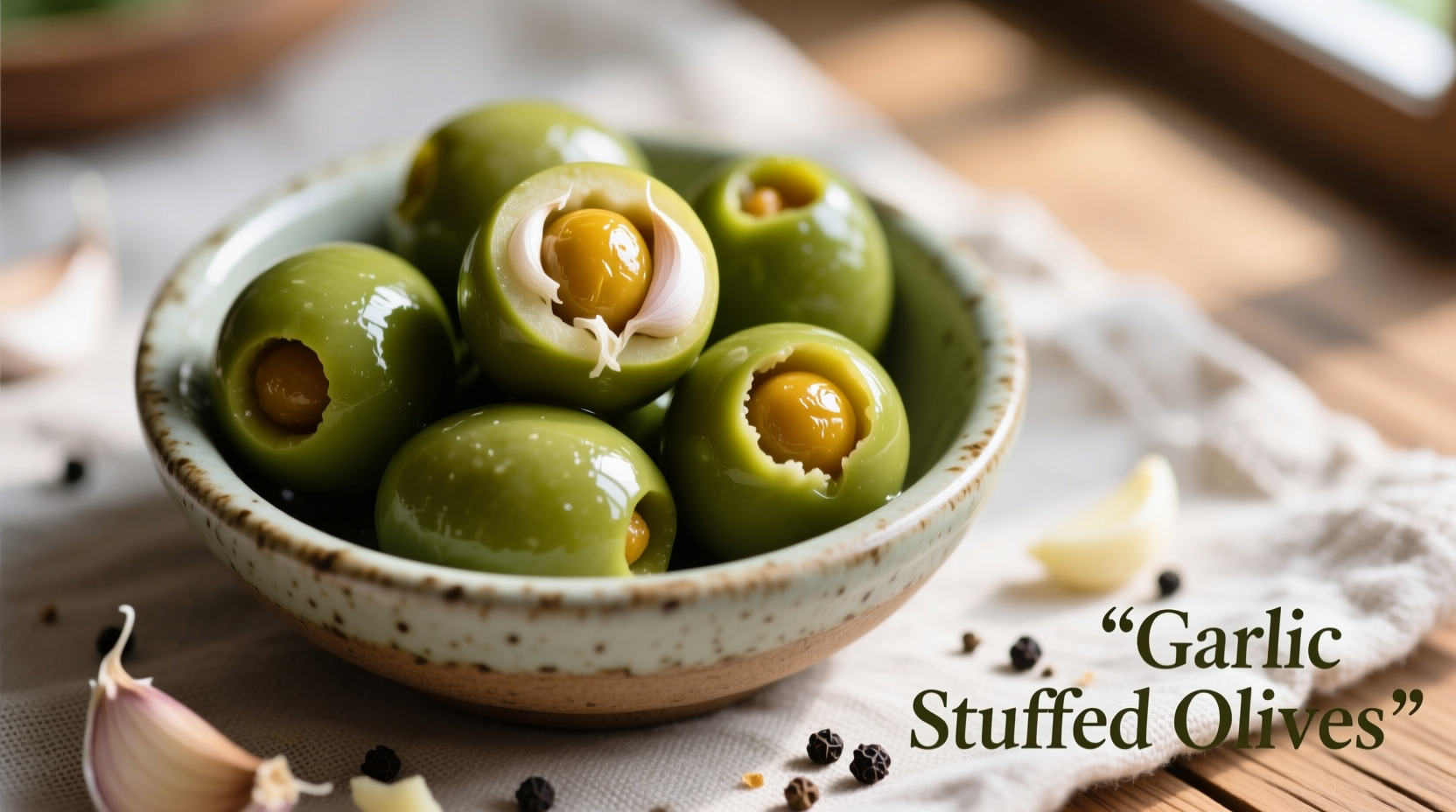
Discover why garlic stuffed green olives have become a staple in sophisticated kitchens and how to maximize their culinary potential. This comprehensive guide reveals everything you need to know about selecting, using, and appreciating these flavorful morsels that elevate simple dishes into gourmet experiences.
What Makes Garlic Stuffed Green Olives Special
Unlike regular green olives, garlic stuffed varieties undergo a meticulous preparation process where each olive is carefully pitted and filled with a small piece of fresh garlic. The result is a dynamic flavor profile where the briny, slightly bitter olive complements the sharp, aromatic garlic. This combination creates a more complex taste experience that works exceptionally well in Mediterranean cuisine.
Professional chefs prefer garlic stuffed green olives for their ability to add instant depth to dishes without requiring additional preparation. The garlic infusion happens during the curing process, allowing flavors to meld perfectly while maintaining the olive's firm texture.
Historical Evolution of Stuffed Olives
Olives have been cultivated in the Mediterranean region for over 7,000 years, with evidence of olive domestication dating back to 5,000 BCE in what is now modern-day Turkey. The practice of stuffing olives emerged later as preservation techniques evolved.
| Historical Period | Development in Olive Preparation |
|---|---|
| 5000-3000 BCE | Early olive domestication in Eastern Mediterranean |
| 2000 BCE | Egyptians document olive oil production methods |
| 8th Century BCE | Greeks develop systematic olive cultivation |
| Roman Era | First recorded stuffed olives appear in Roman cookbooks |
| 19th Century | Industrial canning enables mass production of stuffed olives |
According to research from the International Olive Council, the modern stuffed olive industry began developing in the late 19th century when canning technology made it possible to preserve olives with fillings. Spain and Greece remain the world's leading producers of stuffed olives today, accounting for approximately 65% of global production.
How Quality Garlic Stuffed Olives Are Made
The production process significantly impacts final quality. Premium manufacturers follow these steps:
- Selection: Hand-picked Manzanilla or Sevillano olives at perfect ripeness
- Curing: Traditional brine curing (not lye treatment) for 4-6 months
- Pitting: Precision mechanical pitting that preserves olive integrity
- Stuffing: Insertion of fresh garlic pieces (not garlic powder or flavoring)
- Re-curing: Additional curing in herb-infused brine for flavor integration
- Packaging: Glass jars or BPA-free containers with sufficient brine coverage
Lower quality products often use chemical curing methods, artificial garlic flavoring, and inferior olive varieties that become mushy. The USDA's Specialty Crop Standards note that authentic garlic stuffed green olives should contain only olives, garlic, water, salt, and natural preservatives like lactic acid.
Culinary Applications That Impress
Move beyond the martini glass—garlic stuffed green olives shine in numerous applications:
As a Standalone Appetizer
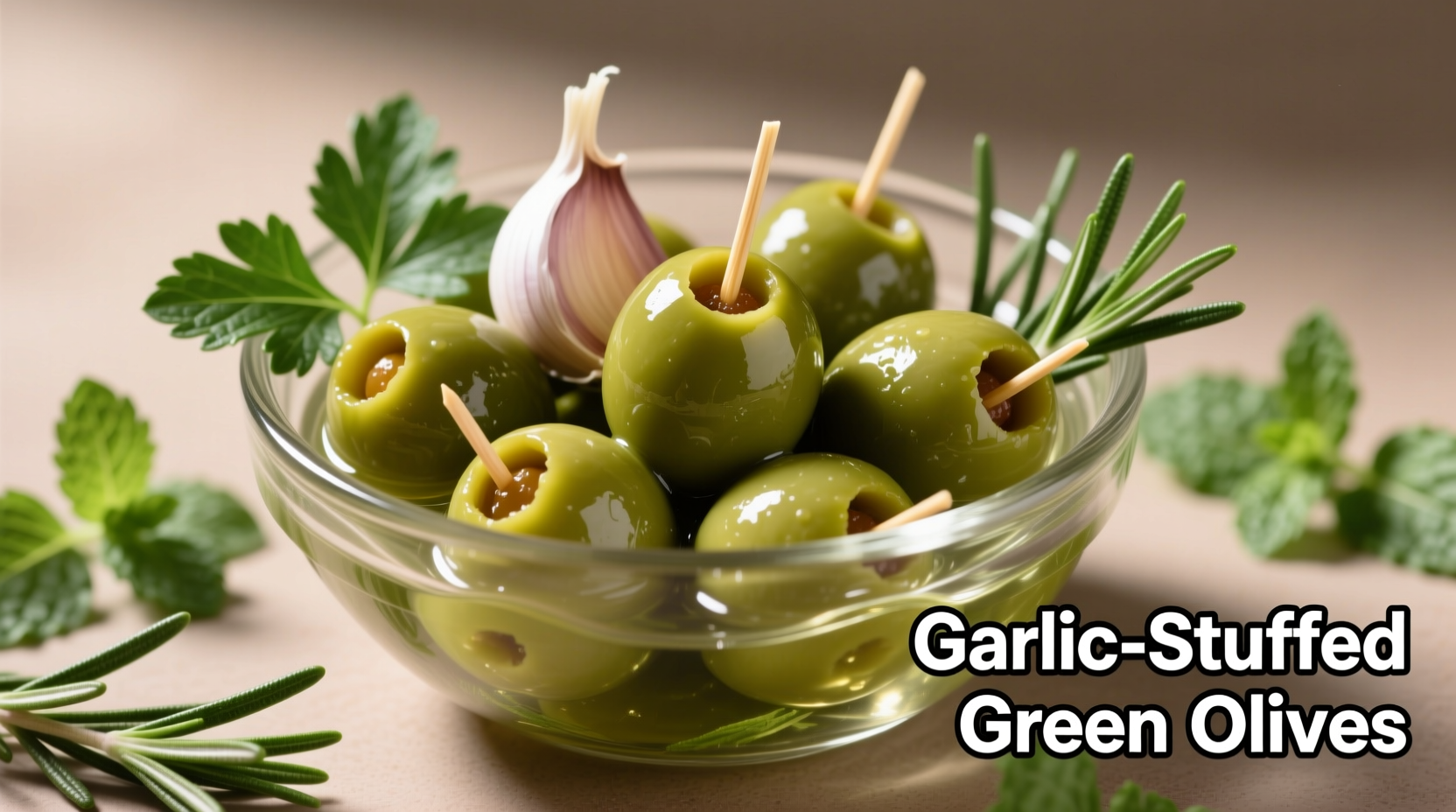
Serve at room temperature on a small plate with toothpicks. The ideal serving temperature (68-72°F) allows both olive and garlic flavors to express fully. For an elevated presentation, drizzle with extra virgin olive oil and sprinkle with fresh herbs.
In Mediterranean Dishes
Add chopped garlic stuffed olives to:
- Tapenade for enhanced garlic notes
- Pasta puttanesca for deeper flavor complexity
- Seafood stews where garlic complements fish
- Rice dishes like paella for aromatic depth
Cocktail Enhancements
While classic martinis use plain olives, garlic stuffed varieties create distinctive signature cocktails. Muddle 2-3 olives in the glass before adding spirits for a more integrated flavor. They pair particularly well with gin-based cocktails featuring herbal notes.
Nutritional Profile and Health Benefits
Garlic stuffed green olives maintain the nutritional advantages of regular olives while adding garlic's benefits. According to USDA FoodData Central, a standard serving (about 10 medium olives) provides:
- Approximately 50-70 calories
- Healthy monounsaturated fats (4-6g)
- Significant vitamin E and iron
- Allicin from garlic with antioxidant properties
- Sodium content of 300-500mg (varies by brand)
The European Journal of Clinical Nutrition published research showing that regular olive consumption correlates with reduced cardiovascular risk. When combined with garlic's properties, these stuffed olives offer a flavorful way to incorporate heart-healthy ingredients into your diet. However, those monitoring sodium intake should consume them in moderation.
Shopping Guide: Identifying Premium Quality
Not all garlic stuffed green olives deliver equal quality. Use these criteria when selecting products:
Label Inspection Points
- Ingredients list: Should contain only olives, garlic, water, salt, and natural preservatives
- Olive variety: Manzanilla, Sevillano, or Gordal indicate quality
- Curing method: "Naturally cured" or "brine cured" preferred over "treated with lye"
- Garlic specification: "Fresh garlic" rather than "garlic flavor" or "garlic powder"
Physical Characteristics
- Firm texture that springs back when pressed
- Intact garlic piece visible through jar
- Brine that's clear, not cloudy
- Olives that maintain shape without mushiness
The California Olive Oil Council recommends choosing products packaged in dark glass or opaque containers to protect against light degradation. Once opened, transfer to an airtight container and cover completely with fresh brine or olive oil to maintain quality for up to three weeks in the refrigerator.
Common Questions About Garlic Stuffed Green Olives
Understanding these frequently asked questions helps maximize your experience with this versatile ingredient:




 浙公网安备
33010002000092号
浙公网安备
33010002000092号 浙B2-20120091-4