
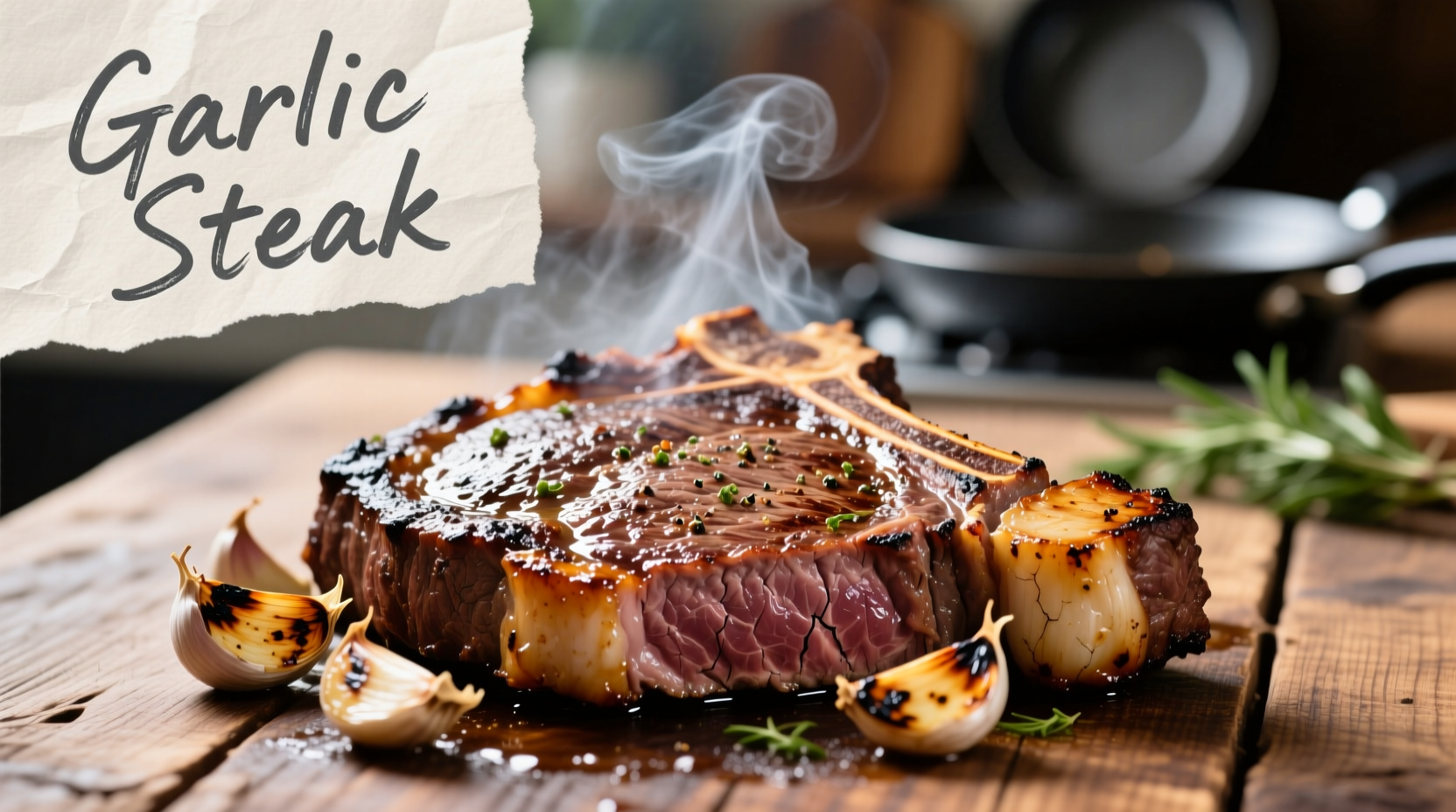
Mastering garlic steak isn't just about throwing garlic cloves in the pan with your meat. As a professional chef who's cooked thousands of steaks across Michelin-starred kitchens and home kitchens alike, I've discovered the precise balance between garlic's aromatic compounds and steak's protein structure that creates truly exceptional results. This guide reveals the science-backed techniques that transform ordinary steak into an extraordinary garlic-infused masterpiece every time.
Why Garlic Steak Often Fails (And How to Fix It)
Most home cooks make two critical mistakes with garlic steak: burning the garlic and adding it too early. When garlic exceeds 375°F, its delicate compounds break down, creating bitter compounds instead of the sweet, nutty flavors we want. The solution? Add fresh garlic during the final third of cooking time when the steak has developed its crust but the pan temperature has slightly decreased.
| Cooking Stage | Garlic Temperature | Flavor Result |
|---|---|---|
| Added at beginning | 400-450°F | Bitter, burnt |
| Added mid-cooking | 375-400°F | Slightly bitter |
| Added final 2-3 minutes | 325-350°F | Sweet, aromatic |
Selecting Your Steak Foundation
The USDA recommends choosing well-marbled cuts like ribeye, New York strip, or filet mignon for optimal garlic steak preparation. Marbling (those white streaks of fat) carries flavor compounds that interact beautifully with garlic's sulfur compounds during cooking. For best results, select steaks at least 1.5 inches thick which provides the thermal mass needed for proper searing without overcooking.
According to the American Meat Science Association, thicker cuts allow for better temperature control during the Maillard reaction—the chemical process responsible for that perfect brown crust. This reaction occurs between 285-325°F, creating hundreds of flavor compounds that complement garlic's natural chemistry.
The Professional Garlic Steak Method
Follow this precise sequence for restaurant-quality results:
- Preparation: Remove steak from refrigerator 45 minutes before cooking. Pat completely dry with paper towels—moisture is the enemy of proper searing.
- Seasoning: Generously salt steak (1 teaspoon kosher salt per pound) but delay pepper until after cooking to prevent burning.
- Searing: Heat cast iron skillet over medium-high until smoking (about 400°F). Sear steak 3-4 minutes per side until deep brown crust forms.
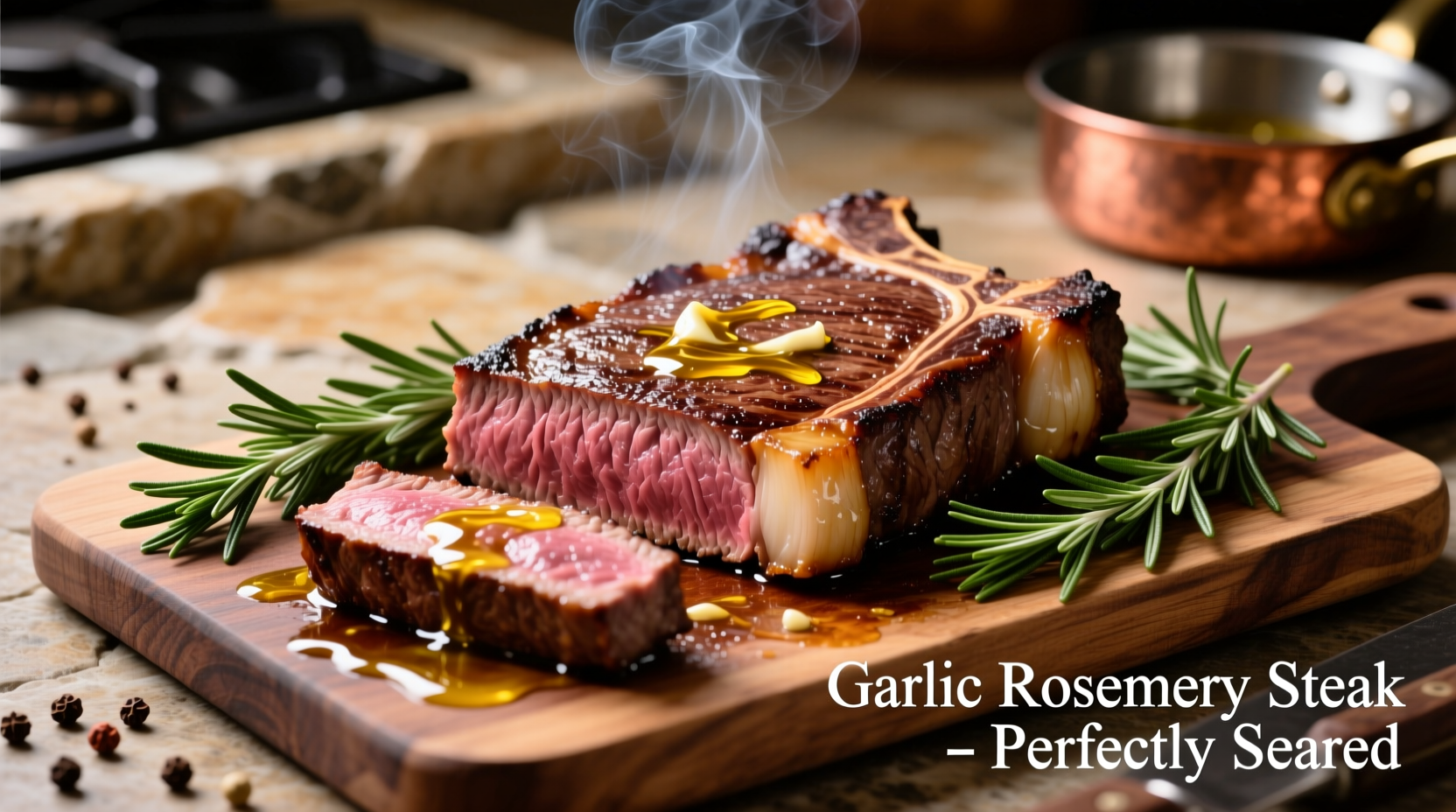
- Garlic Timing: Add 4-6 whole garlic cloves and 2 tablespoons butter during the final 2-3 minutes of cooking. Tilt pan and spoon melted butter over steak continuously.
- Resting: Transfer steak to cutting board, tent loosely with foil, and rest for 8-10 minutes before slicing against the grain.
Temperature Precision Guide
Food safety is critical when preparing steak. The USDA Food Safety and Inspection Service specifies minimum internal temperatures for beef:
- Rare: 120-125°F (remove from heat at 115°F)
- Medium rare: 130-135°F (remove at 125°F)
- Medium: 140-145°F (remove at 135°F)
- Medium well: 150-155°F (remove at 145°F)
- Well done: 160°F+ (not recommended for best garlic steak)
For optimal garlic steak, medium rare provides the perfect balance of texture and flavor absorption. At this temperature, the meat's protein structure remains open enough to absorb garlic compounds while maintaining juiciness.
Advanced Flavor Variations
Once you've mastered the basic technique, experiment with these professional variations:
- Garlic confit method: Simmer garlic cloves in olive oil at 250°F for 20 minutes before adding to steak for milder, sweeter flavor
- Smoked garlic option: Use smoked garlic cloves for a subtle campfire note that complements grilled steak
- Acid balance: Finish with a squeeze of lemon juice to cut through richness and enhance garlic's aromatic compounds
- Herb infusion: Add fresh rosemary or thyme stems to the butter during the final cooking stage
Common Mistakes and Solutions
Even experienced cooks encounter these garlic steak challenges:
- Burnt garlic: Solution: Add garlic later in cooking process or use whole cloves instead of minced
- Garlic sticking to pan: Solution: Ensure proper preheating and use sufficient fat before adding garlic
- Uneven cooking: Solution: Rotate steak 90 degrees halfway through each side for even sear marks
- Bland flavor: Solution: Salt steak 45 minutes before cooking to allow penetration rather than just surface seasoning
Perfect Pairings for Garlic Steak
Complete your meal with these complementary sides that enhance rather than compete with your garlic steak:
- Roasted asparagus with lemon zest
- Creamy mashed potatoes (the starch absorbs garlic flavors beautifully)
- Simple arugula salad with shaved Parmesan
- Crusty bread for soaking up garlic butter juices
For wine pairing, select medium-bodied reds like Pinot Noir or Merlot that won't overpower the garlic's delicate compounds. The Journal of Agricultural and Food Chemistry notes that wine tannins interact favorably with both meat proteins and garlic compounds, creating a more complex flavor experience.




 浙公网安备
33010002000092号
浙公网安备
33010002000092号 浙B2-20120091-4