
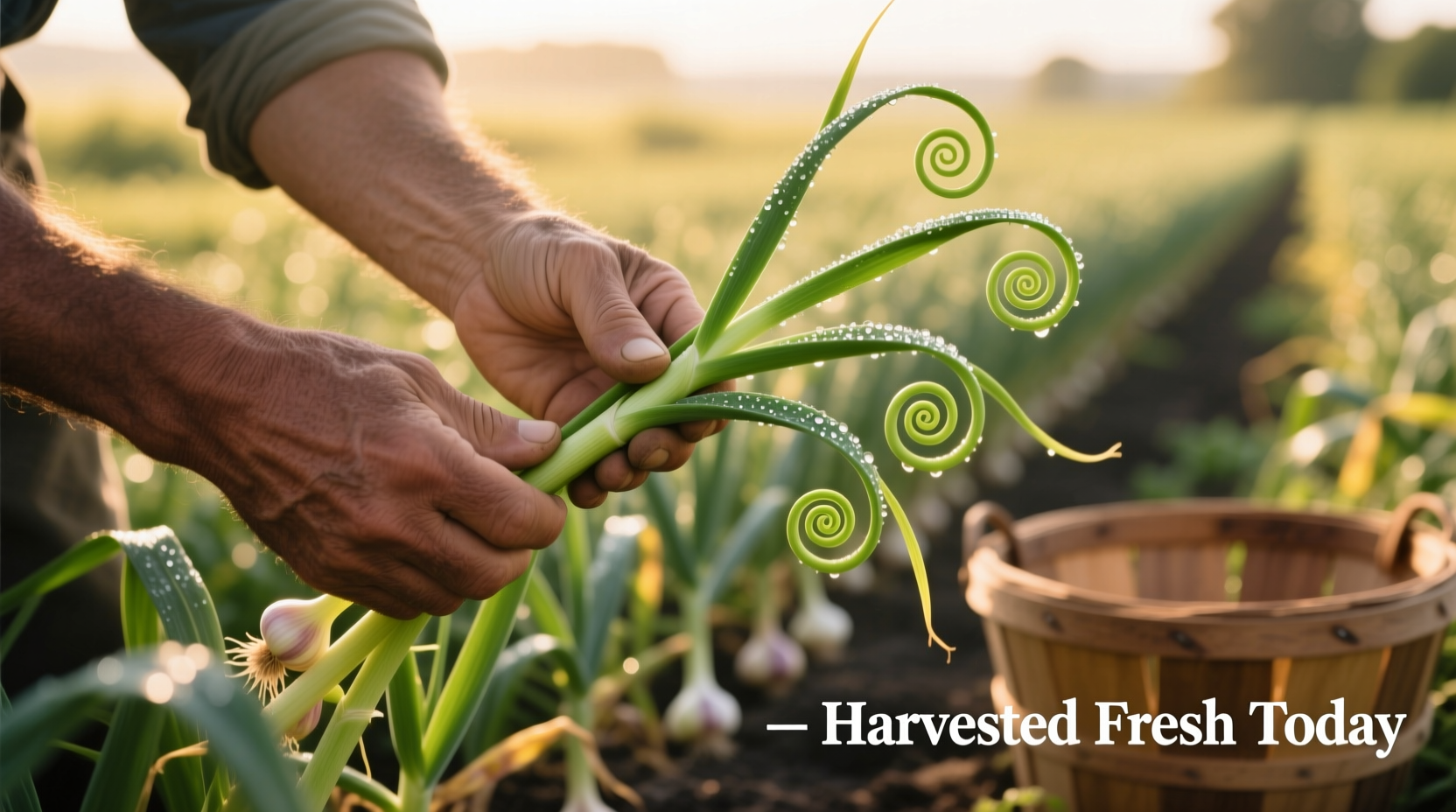
Why Timing Matters for Garlic Scape Harvesting
Garlic scapes—the curly green flower stalks of hardneck garlic varieties—represent a critical growth phase that directly impacts your garlic bulb quality. Harvesting at the precise moment ensures maximum bulb development while providing a delicious seasonal vegetable. Most gardeners miss the narrow 7-10 day window when scapes reach peak tenderness and before they become woody.
Identifying the Perfect Harvest Moment
Look for these visual indicators that signal garlic scapes are ready:
- Distinct curl formation (½ to 1 full rotation) above the final leaf sheath
- Firm, crisp texture without woody fibers
- Consistent green color from base to tip
- Approximately 12-18 inches in length
Early morning harvesting when temperatures are cool preserves maximum freshness. The optimal harvest period typically occurs between late spring and early summer, varying by climate zone. In USDA zones 4-6, expect scapes around late May to mid-June; zones 7-9 see them from mid-May to early June.
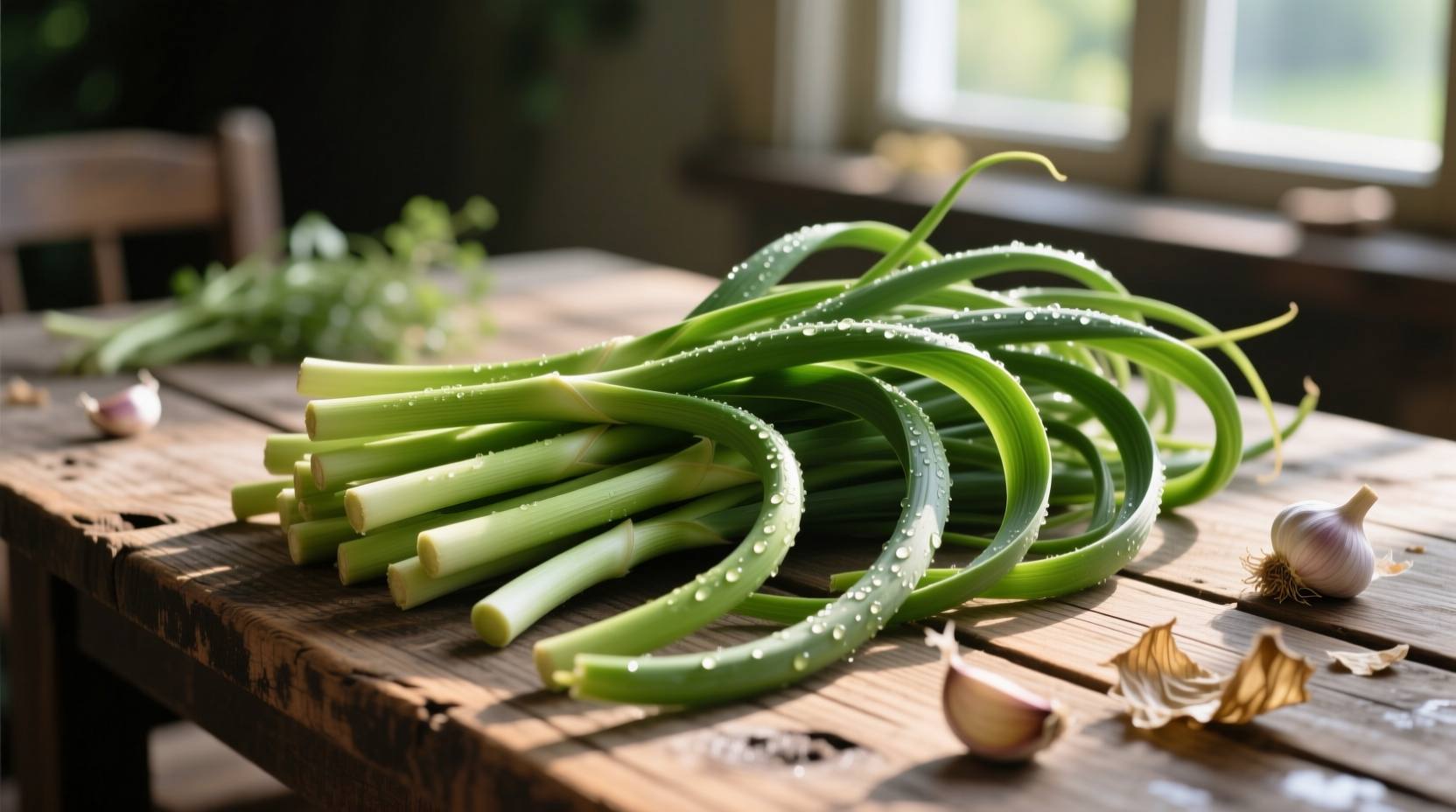
Step-by-Step Harvesting Technique
Follow this professional method for clean harvesting that protects your garlic plants:
- Locate the scape emerging from the center of the leaf cluster
- Identify the point where the scape curves away from the final leaf sheath
- Using sharp scissors or pruning shears, cut 1-2 inches above the top leaf
- Make a clean, angled cut to prevent water accumulation
- Harvest during dry conditions to minimize disease risk
Avoid pulling or twisting scapes from the plant, which can damage the developing bulb. The entire harvesting process should take just seconds per plant once you've identified the correct cutting point.
| Harvest Stage | Bulb Impact | Scape Quality | Flavor Profile |
|---|---|---|---|
| Too Early (straight) | Minimal bulb improvement | Underdeveloped, thin | Mild, grassy |
| Optimal (½-1 curl) | 20-30% larger bulbs | Firm, tender | Perfect garlic-onion balance |
| Too Late (uncoiling) | Reduced bulb growth | Woody, fibrous | Bitter, harsh |
Garlic Scape Development Timeline
Understanding this progression helps identify the ideal harvest window:
- Day 1-10: Scape emerges straight from leaf sheath
- Day 11-20: Begins forming first curl (optimal harvest window opens)
- Day 21-30: Completes first full curl, starts second curl
- Day 31-40: Uncoils completely, flower bud develops
- Day 41+: Flowers open, energy diverted from bulb development
According to Cornell University's agricultural extension, harvesting at the tight curl stage redirects approximately 25% more energy to bulb formation compared to unharvested plants. This critical timing difference significantly impacts your final garlic yield.
What Happens If You Don't Harvest Garlic Scapes?
Leaving scapes on the plant triggers several consequences:
- Reduced bulb size (typically 15-30% smaller)
- Delayed bulb maturation
- Increased risk of disease transmission through flowering
- Less uniform bulb development
While some gardeners intentionally allow scapes to flower for seed production, this practice significantly compromises bulb quality for most home growers. The University of Vermont Extension notes that harvested plants typically produce bulbs with tighter wrapper leaves and better storage characteristics.
Proper Post-Harvest Handling
Maximize freshness with these storage techniques:
- Immediately place cut scapes in cool water (60-70°F)
- Refrigerate unwashed in perforated plastic bags
- Use within 10-14 days for best quality
- For longer storage, blanch and freeze or make scape pesto
Avoid washing scapes before refrigeration, as excess moisture accelerates spoilage. The National Gardening Association recommends storing them vertically like cut flowers with 1-2 inches of water in the container, changing water every 2-3 days.
Common Harvesting Mistakes to Avoid
Steer clear of these frequent errors that compromise your garlic crop:
- Waiting too long: Scapes become tough and fibrous after the second curl
- Cutting too low: Damages protective leaf sheath, inviting disease
- Harvesting during rain: Increases disease transmission risk
- Using dull tools: Crushes rather than cuts the scape
- Ignoring weather patterns: Extreme heat accelerates scape maturation
Remember that environmental conditions significantly affect harvest timing. During unusually warm springs, check plants every 2-3 days as the harvest window may narrow to just 5 days. The Royal Horticultural Society emphasizes that consistent monitoring is more reliable than calendar-based harvesting.
Using Your Fresh Garlic Scapes
Don't let your harvest go to waste! These culinary applications showcase their versatility:
- Chop raw into salads for mild garlic flavor
- Grill whole as a vegetable side dish
- Blend into pesto as garlic scape season arrives
- Stir-fry with other spring vegetables
- Pickle for longer preservation
Unlike mature garlic cloves, scapes offer a delicate, nuanced flavor that works well in raw applications. Their texture resembles asparagus when cooked properly. The University of Maine Cooperative Extension confirms that scapes contain similar beneficial compounds to mature garlic but with less pungency, making them more versatile in fresh preparations.




 浙公网安备
33010002000092号
浙公网安备
33010002000092号 浙B2-20120091-4