
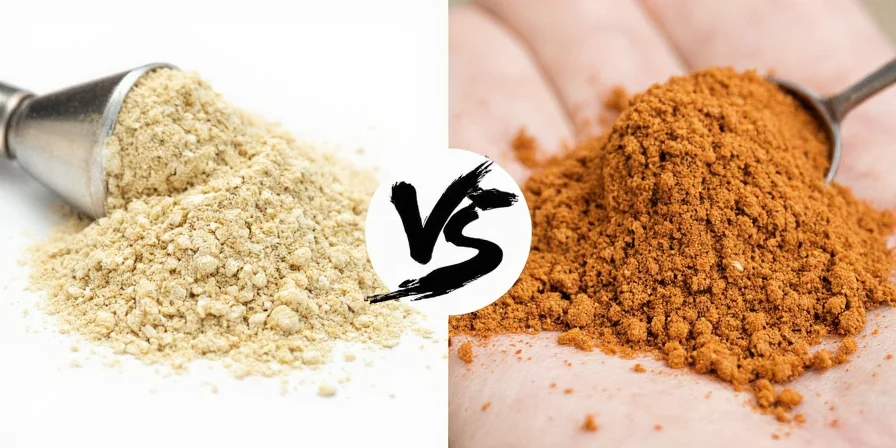
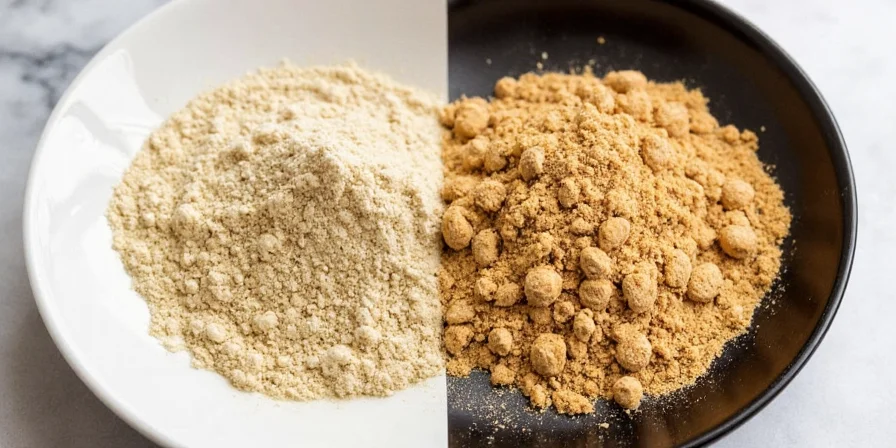
Table of Contents
- Introduction
- What’s the Real Difference?
- Top 5 Uses for Garlic Powder
- Pro Tips for Using Garlic Powder
- Top 5 Uses for Onion Powder
- Pro Tips for Using Onion Powder
- Side-by-Side Comparison Table
- When to Use Which? A Flavorful Guide
- Frequently Asked Questions
- Final Thoughts
Introduction – Why These Two Spices Rule Your Pantry
This guide delivers actionable strategies for home cooks seeking consistent flavor results without fresh prep hassles. You'll gain precision in spice application that transforms everyday meals through science-backed techniques and practical substitution frameworks.
If you had to choose just two spices to keep in your kitchen forever, garlic powder and onion powder would be strong contenders. They’re like the dynamic duo of flavor — humble, easy to store, and incredibly versatile.
But what exactly makes them different? Are they interchangeable? And can one really outshine the other in a recipe?
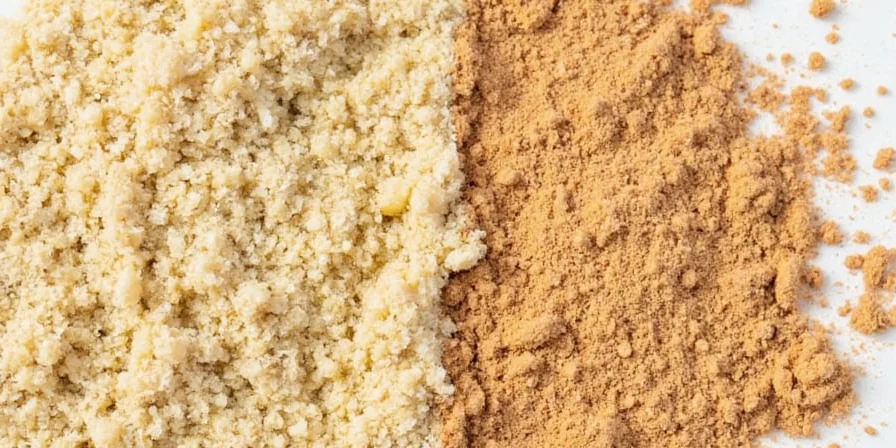
In this spicy showdown, we’ll break down everything you need to know about these two pantry staples — from flavor profiles to best uses, and even some sneaky chef secrets.
What’s the Real Difference Between Garlic Powder and Onion Powder?
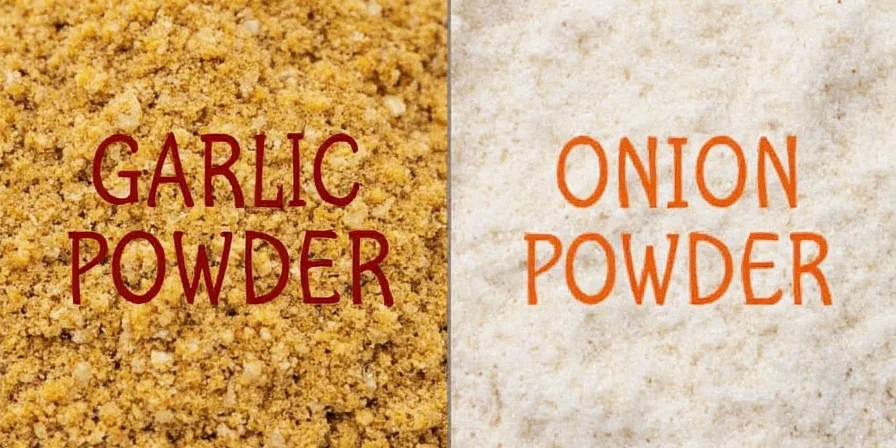
At first glance, garlic powder and onion powder might seem like cousins in a spice jar — both come from alliums, after all. But when it comes to taste, aroma, and culinary function, they play very different roles.
- Garlic Powder: Made from dehydrated and ground garlic cloves. It’s pungent, savory, and often has a slightly sweet note when cooked low and slow.
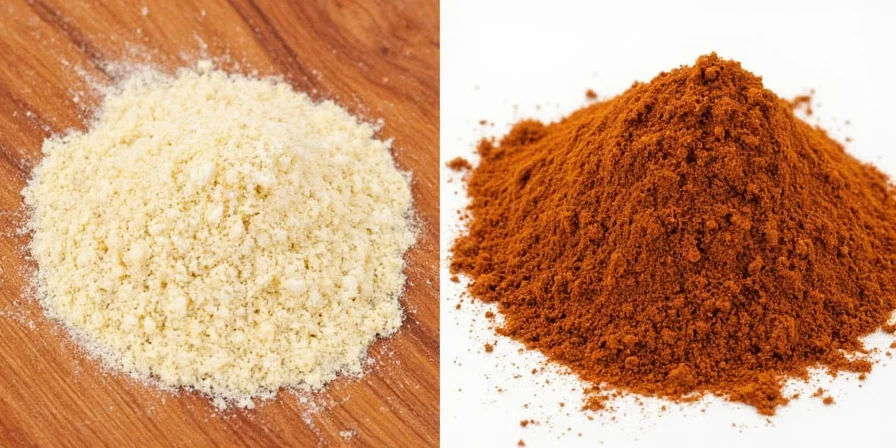
- Onion Powder: Ground from dried onions (white, yellow, or red), it’s sweeter than garlic and brings a mild, earthy umami to dishes.
Both are aromatic powerhouses, but their chemical makeup gives them distinct identities on the flavor spectrum.
Top 5 Uses for Garlic Powder
- Rubbing Meats: Mix garlic powder with paprika, salt, pepper, and olive oil for a quick dry rub that works wonders on ribs or chicken.
- Roasted Vegetables: Toss carrots, potatoes, or Brussels sprouts with olive oil and garlic powder before roasting — instant upgrade.
- Homemade Salad Dressings: Add a pinch to vinaigrettes or ranch dressings for a garlicky kick without mincing.
- Pasta Sauces: Stir into marinara or Alfredo sauces for an extra layer of depth.
- Seasoning Snacks: Sprinkle over popcorn, roasted chickpeas, or seasoned nuts for a savory crunch.
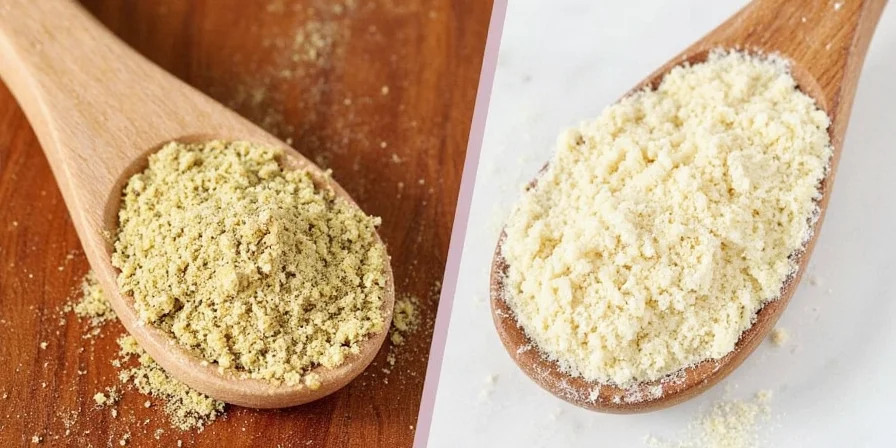
Pro Tips for Using Garlic Powder Like a Pro Chef
- Don’t Overdo It: A little goes a long way — start with 1/4 teaspoon and adjust to taste.
- Balance with Acid: Garlic loves lemon juice, vinegar, or tomatoes to cut through its richness.
- Pair Smartly: Complements thyme, oregano, rosemary, and chili flakes beautifully.
- Rehydrate for Intensity: For more punch, mix a small amount with water or broth before adding to dishes.
- Store Properly: Keep in a cool, dark place — away from heat and moisture — to preserve potency.
Top 5 Uses for Onion Powder
- Stews & Soups: Adds depth to broths and chowders without the mess of chopping fresh onions.
- Gravy Magic: Enhances the savoriness of pan gravies and meat drippings instantly.
- Marinades: Blends well with soy sauce, honey, and sesame oil for Asian-inspired marinades.
- Baked Goods: Surprisingly good in savory biscuits, cornbread, or focaccia dough.
- Vegetarian Flavor Boost: Perfect for mushroom dishes or lentil curries to mimic the complexity of real meat flavors.
Pro Tips for Using Onion Powder Like a Kitchen Wizard
- Use Fresh with Caution: Too much can turn bitter or muddy a dish’s flavor.
- Layer Flavors: Combine with smoked paprika or cumin for smoky-sweet complexity.
- Enhance Umami: Works magic alongside MSG or nutritional yeast in vegan recipes.
- Rehydrate for Richness: Just like garlic, mixing with liquid first helps distribute the flavor evenly.
- Go Colorless: White onion powder is more neutral, while yellow/red may tint lighter dishes.
Side-by-Side Comparison: Garlic Powder vs. Onion Powder
| Feature | Garlic Powder | Onion Powder |
|---|---|---|
| Flavor Profile | Strong, pungent, slightly sweet when cooked | Mild, earthy, subtly sweet |
| Best For | Savory meats, pasta, dressings, snacks | Soups, stews, marinades, baked goods |
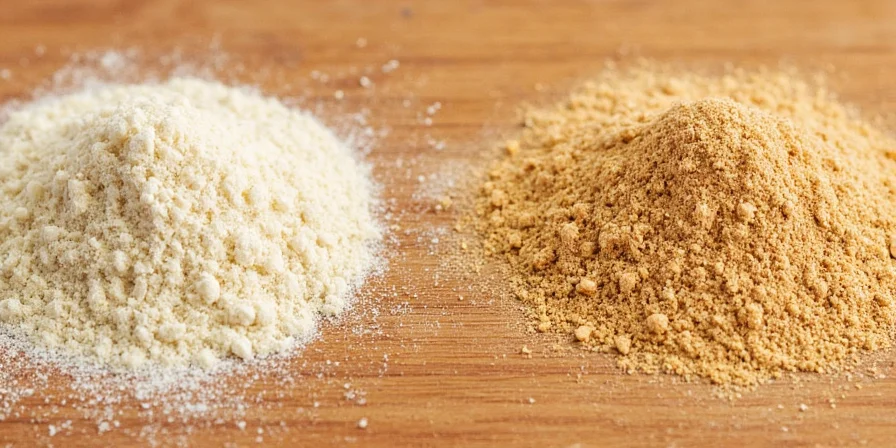
| Texture | Fine granules, slightly coarser than flour | Finer than garlic powder, similar to cornstarch |
| Substitute Ratio | Use 1/8 tsp per clove of fresh garlic | 1 tbsp fresh chopped onion = 1/4 tsp powder |
| Shelf Life | 3–4 years if stored properly | 3–4 years if stored properly |
When to Use Which? A Flavorful Guide
Think of garlic powder as the bold friend who doesn’t mind being heard — perfect for dishes where you want a robust, unmistakable flavor. Onion powder, on the other hand, is the subtle confidant — always there, enhancing without overpowering.
A unique biochemical perspective often overlooked: garlic powder's allicin compounds react with acids to create complex umami depth in tomato-based sauces, while onion powder's sulfur compounds caramelize faster with sugars—explaining its magic in sweet glazes and baked goods. This chemical behavior makes substitution non-linear in critical applications.
- Garlic Powder Rules When:
- You're grilling or smoking meats
- Trying to add a Mediterranean or Italian flair
- Looking for a quick hit of flavor in no-time recipes
- Onion Powder Shines When:
- Building a soup or stew base
- You want background sweetness and body
- Cooking with delicate proteins like fish or tofu

Frequently Asked Questions (FAQ)
Can I substitute garlic powder for onion powder?
You can in a pinch, but be aware that garlic has a stronger, more assertive flavor. Start with half the amount and adjust carefully.
Is garlic powder stronger than fresh garlic?
In some ways, yes! Since it's concentrated, a little goes a long way. However, fresh garlic has more complex aromatics and oils that powder lacks.
Can I make my own garlic or onion powder at home?
Absolutely! Simply slice thin, dehydrate until brittle, then grind into a fine powder using a blender or spice grinder. Store in an airtight container.
Are garlic and onion powders healthy?
Yes! They retain many of the beneficial compounds found in fresh garlic and onions, including antioxidants and sulfur-containing nutrients. Just watch for additives in store-bought versions.
Why does my dish taste bitter after using onion powder?
Too much onion powder — especially old or stale batches — can lead to bitterness. Try reducing the amount next time or combining with acidic ingredients to balance the flavor.
Final Thoughts: Choose Your Champion Wisely
At the end of the day, choosing between garlic powder and onion powder isn’t about picking a winner — it’s about knowing which tool to use for the job at hand.
Garlic powder brings bold, punchy, unmistakable flavor to any dish, while onion powder layers in subtle sweetness and depth. Both deserve a spot in your spice lineup — and now you’ve got the knowledge to use them like a pro.
So go ahead — grab those jars, dust off your pans, and get cooking. Whether you're Team Garlic or Team Onion, your tastiest meals are just a sprinkle away.




 浙公网安备
33010002000092号
浙公网安备
33010002000092号 浙B2-20120091-4