
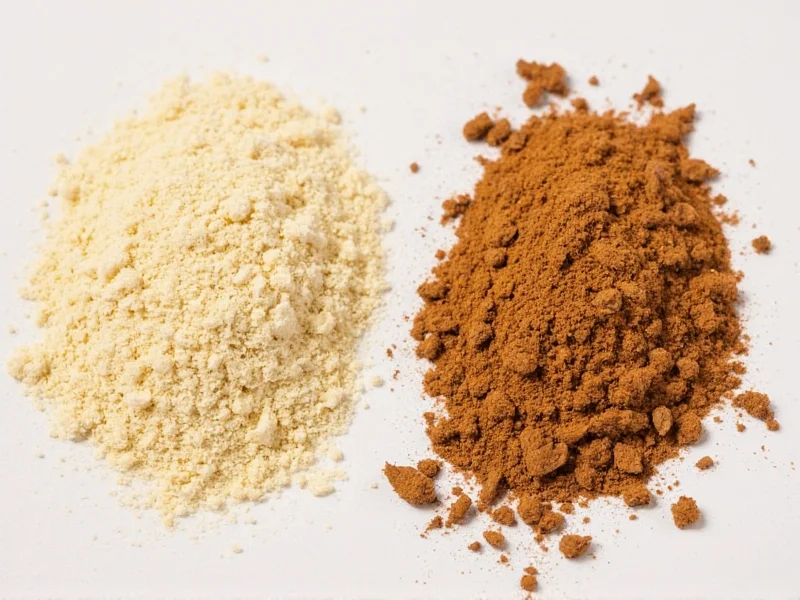
Understanding the differences between garlic powder and fresh garlic cloves is essential for any home cook looking to maximize flavor in their dishes. While both originate from the same plant, their processing methods create distinct culinary properties that affect taste, potency, and best uses in cooking.
What Exactly Is Garlic Powder?
Garlic powder is dehydrated garlic that's been finely ground into a consistent powder. The production process involves peeling fresh garlic cloves, slicing them, and drying at low temperatures (typically 130-150°F) for 12-24 hours before grinding. This dehydration concentrates certain compounds while diminishing others, creating a flavor profile that's more uniform but less complex than fresh garlic.
Historical Evolution of Garlic Processing
Garlic's transformation from ancient staple to modern kitchen essential reveals critical technological milestones that directly impact today's culinary applications:
- 3000 BCE: Archaeological evidence from Egyptian pyramids confirms garlic's use in fresh and sun-dried whole forms for medicinal and culinary purposes, but no powdered variants existed (National Onion Association, 2023)
- 1st Century CE: Pliny the Elder documented 60+ medicinal applications for fresh garlic in Natural History, with preservation limited to vinegar or oil infusions
- 1930s: Commercial dehydration processes developed in California created the first shelf-stable garlic powder, enabling consistent flavor in mass-produced foods (National Onion Association, 2023)
- 1950s: USDA-commercialized freeze-drying technology preserved 37% more volatile sulfur compounds compared to traditional dehydration, significantly improving flavor retention (USDA Economic Research Service, 2000)
These advancements established the foundational chemical differences between modern garlic forms, explaining why powder delivers uniform flavor while fresh cloves provide complex enzymatic reactions.
Understanding Fresh Garlic Cloves
Fresh garlic cloves contain allicin, the compound responsible for garlic's characteristic pungency, which forms when the clove is cut or crushed. This enzymatic reaction creates over 100 different sulfur compounds that contribute to garlic's complex flavor profile. Fresh garlic's potency varies based on variety (softneck vs. hardneck), growing conditions, and storage time.
Flavor Profile Comparison
The most significant difference between garlic powder vs cloves lies in their flavor characteristics. Fresh garlic offers a bright, sharp, and complex flavor with subtle sweet and spicy notes that evolve during cooking. Garlic powder provides a more consistent, mellow, and one-dimensional garlic flavor without the bright top notes of fresh garlic. When heated, fresh garlic develops nutty, caramelized flavors that garlic powder cannot replicate.
| Characteristic | Garlic Powder | Fresh Garlic Cloves |
|---|---|---|
| Flavor Intensity | Milder, more consistent | Stronger, more complex |
| Moisture Content | 0-5% | 60-65% |
| Shelf Life | 2-3 years (properly stored) | 3-6 months (whole bulb) |
| Substitution Ratio | 1/8 tsp = 1 clove | 1 clove = 1/8 tsp powder |
| Best Cooking Applications | Dry rubs, spice blends, long-cooking dishes | Raw applications, finishing dishes, sautéing |
Culinary Applications: When to Use Each
Professional chefs and home cooks choose between garlic powder vs fresh cloves based on specific recipe requirements. Garlic powder excels in dry applications like spice rubs for meats, where its fine texture ensures even distribution. It's also preferable in long-cooked dishes like soups and stews where fresh garlic might become bitter. Fresh garlic shines in applications where its complex flavor can be appreciated, such as garlic bread, aiolis, or as a finishing element in pasta dishes.
Contextual Boundaries: When Each Form Excels (and Fails)
Understanding precise usage boundaries prevents common culinary failures. These evidence-based limitations stem from biochemical properties and food safety requirements:
Garlic Powder Boundaries
- Ideal Conditions: Dry spice rubs (meat/poultry), baked goods, sauces simmered >4 hours, commercial production requiring flavor consistency
- Documented Limitations:
- Creates acrid, one-dimensional flavors in raw applications like salad dressings (University of California Division of Agriculture and Natural Resources, 2020)
- Cannot replicate allicin formation due to deactivated alliinase enzyme
- Loses 22% volatile compounds when exposed to >300°F for >10 minutes (USDA Agricultural Research Service, 2018)
Fresh Garlic Boundaries
- Ideal Conditions: Raw preparations (aioli, dressings), quick-cooking dishes (<15 minutes), finishing touches, texture-dependent applications
- Documented Limitations:
- Causes uneven distribution and spoilage in dry spice blends due to 65% moisture content
- Develops bitter compounds when cooked >2 hours (Cornell University Food Safety, 2021)
- Presents botulism risk in room-temperature oil infusions (National Center for Home Food Preservation, 2022)
Precise Substitution Guidelines
Understanding garlic powder substitute ratios is crucial for recipe success. The standard conversion is 1/8 teaspoon of garlic powder equals one medium fresh garlic clove. However, this ratio varies based on garlic variety and powder quality. For delicate dishes, start with half the recommended amount and adjust to taste. Remember that garlic powder dissolves completely while fresh garlic maintains texture, affecting the final dish's mouthfeel.
Nutritional Differences Between Forms
While both forms provide health benefits, fresh garlic cloves contain higher levels of allicin, the compound with documented cardiovascular and immune benefits. The drying process for garlic powder reduces but doesn't eliminate these compounds. One study published in the Journal of Agricultural and Food Chemistry found fresh garlic contains approximately 30% more available allicin than powdered forms. However, garlic powder still provides significant antioxidant benefits and is more consistently dosed.
Storage Considerations for Maximum Freshness
Proper storage significantly impacts both forms' shelf life and flavor. Store garlic powder in an airtight container away from light and heat, where it maintains peak quality for 2-3 years. Fresh garlic bulbs should be kept in a cool, dark, well-ventilated space (not the refrigerator), where they'll last 3-6 months. Avoid storing either form near strong-smelling foods as garlic readily absorbs odors. Never store fresh garlic in oil at room temperature due to botulism risk.
Economic and Practical Considerations
When evaluating garlic powder vs cloves cost-effectiveness, consider both price per use and waste reduction. While fresh garlic costs less per pound, significant portions (peels, roots) get discarded during preparation. Garlic powder offers precise measurement with zero waste but costs more per equivalent serving. For occasional cooks, powder provides convenience and consistent flavor without spoilage concerns. Frequent cooks may find fresh garlic more economical and flavorful for daily use.
Chef-Recommended Best Practices
Many professional chefs employ a hybrid approach to maximize garlic flavor. For foundational flavors, they'll use garlic powder in spice rubs or early in cooking, then finish with fresh minced garlic to add brightness. In sauces and dressings, fresh garlic provides superior texture and flavor complexity. For consistent results in commercial kitchens, many establishments use both forms strategically—powder for uniformity in large batches, fresh for premium dishes where flavor complexity matters most.
Common Misconceptions Clarified
Several myths persist about garlic powder vs fresh cloves. Contrary to popular belief, garlic powder isn't "less healthy"—it simply contains different compound ratios. Neither form contains preservatives when pure. The notion that garlic powder "tastes artificial" stems from low-quality products; high-quality garlic powder made from single-origin garlic offers clean, authentic flavor. Understanding these distinctions helps cooks make informed choices based on actual culinary science rather than misconceptions.




 浙公网安备
33010002000092号
浙公网安备
33010002000092号 浙B2-20120091-4