
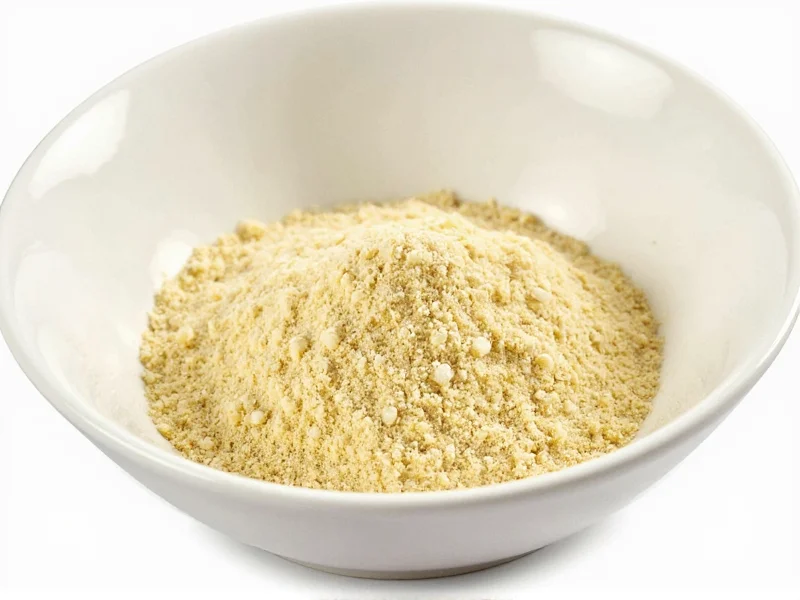
Understanding the salt content in garlic powder is crucial for health-conscious cooks and those managing dietary restrictions. While garlic itself contains negligible sodium, processing methods and manufacturer choices significantly impact the final product's nutritional profile.
Garlic Powder Composition Explained
True garlic powder consists of nothing but dried, ground garlic cloves. During production, fresh garlic undergoes dehydration at low temperatures to preserve flavor compounds while removing moisture. This pure form contains approximately 1-2mg of naturally occurring sodium per teaspoon—a negligible amount that doesn't register on nutrition labels.
The confusion about salt content arises because many manufacturers add sodium chloride (table salt) to their garlic powder products. This serves multiple purposes:
- Prevents clumping in humid conditions
- Extends shelf life by reducing moisture retention
- Enhances flavor perception through sodium's taste-amplifying properties
- Creates a consistent product appearance
Comparing Commercial Garlic Powder Products
Not all garlic powder products are created equal. The table below shows typical sodium content across different product categories:
| Product Type | Serving Size | Sodium Content | Common Additives |
|---|---|---|---|
| Pure garlic powder | 1/4 teaspoon (0.6g) | 0mg | None |
| Standard grocery store brand | 1/4 teaspoon (0.7g) | 50-75mg | Salt, silicon dioxide |
| Seasoned garlic blend | 1/4 teaspoon (0.8g) | 100-150mg | Salt, spices, anti-caking agents |
| Organic certified | 1/4 teaspoon (0.6g) | 0-5mg | Organic rice flour (anti-caking) |
Health Implications of Garlic Powder Sodium Content
For most healthy adults, the small amounts of sodium in seasoned garlic powder pose no significant health risk. However, individuals managing hypertension, heart conditions, or kidney disease should pay closer attention to these hidden sodium sources.
The American Heart Association recommends limiting sodium intake to no more than 2,300mg daily, with an ideal limit of 1,500mg for most adults. While a single serving of garlic powder contributes minimally to this total, these amounts can accumulate when using multiple seasoned spice blends throughout the day.
Interestingly, garlic itself offers cardiovascular benefits that may counterbalance modest sodium intake. Studies show garlic compounds can help lower blood pressure and improve cholesterol levels. When choosing between salted and unsalted versions, consider your overall dietary pattern rather than isolated ingredients.
Smart Shopping Strategies for Low-Sodium Cooking
Reading labels carefully remains the most reliable method for identifying garlic powder salt content. Look for these key indicators on packaging:
- “No salt added” or “salt-free” prominently displayed
- Ingredient list containing only “garlic”
- Nutrition facts showing 0mg sodium per serving
- Certifications like “National Salt Reduction Initiative compliant”
When shopping for low sodium garlic powder options, specialty health food stores often carry pure varieties, but major grocery chains increasingly stock them in the spice aisle. Online retailers provide extensive choices with detailed nutritional information.
For those committed to garlic powder for low sodium diet requirements, consider making your own by dehydrating fresh garlic cloves and grinding them into powder. This DIY approach guarantees no additives while preserving maximum flavor compounds.
Practical Usage Tips
Understanding how much sodium in garlic powder affects your cooking allows for smarter substitutions:
- When a recipe calls for salted garlic powder but you're using pure version, add 1/16 teaspoon salt per teaspoon of garlic powder
- For comparing garlic powder salt content between brands, calculate sodium per gram rather than per teaspoon for accurate comparison
- Store pure garlic powder in an airtight container with a silica packet to prevent clumping without added salt
- Boost flavor in salt-free versions by toasting the powder briefly in a dry pan before use
Chefs specializing in heart-healthy cuisine often recommend keeping both salted and unsalted varieties on hand. This flexibility allows precise sodium control while maintaining consistent flavor profiles across different dietary needs.
Reading Between the Lines on Nutrition Labels
Nutrition labeling regulations can sometimes obscure the true garlic powder nutrition facts. Manufacturers may list sodium content as “0mg” if it contains less than 5mg per serving, even when salt appears in the ingredients. Always check both sections of the label for complete information.
The serving size listed on spice containers often differs from actual usage. While labels typically use 1/4 teaspoon as the standard serving, many recipes call for 1-2 teaspoons. This discrepancy means the actual sodium contribution could be 4-8 times higher than the label suggests.
When evaluating does garlic powder contain salt in specific products, remember that “garlic salt” is a completely different product—typically a 3:1 ratio of salt to garlic powder. Don't confuse these distinct products when shopping for low-sodium options.
Does pure garlic powder naturally contain salt?
No, pure garlic powder made from dehydrated garlic cloves contains no salt. The natural sodium content is negligible (1-2mg per teaspoon), which doesn't register on nutrition labels. Salt is only present when added by manufacturers as an anti-caking agent or flavor enhancer.
How can I identify salt-free garlic powder when shopping?
Look for products labeled “salt-free,” “no salt added,” or “unsalted” on the front packaging. Check the ingredient list to ensure it contains only “garlic” with no additional ingredients. Verify the nutrition facts panel shows 0mg sodium per serving. Organic varieties often use rice flour instead of salt as an anti-caking agent.
Can I substitute pure garlic powder for garlic salt in recipes?
Yes, but you'll need to adjust the quantities. Garlic salt is typically a 3:1 ratio of salt to garlic powder. To substitute pure garlic powder for garlic salt, use 1 teaspoon garlic powder plus 1/4 teaspoon salt for every 1 teaspoon of garlic salt called for in the recipe. For low-sodium diets, simply use extra garlic powder without added salt.
Why do some garlic powder products contain salt?
Manufacturers add salt primarily as an anti-caking agent to prevent clumping in humid conditions. Salt also extends shelf life by reducing moisture retention, enhances flavor perception through sodium's taste-amplifying properties, and creates a more consistent product appearance. Economic factors play a role too, as salt is a low-cost ingredient that increases product weight.
How much sodium is typically in seasoned garlic powder blends?
Seasoned garlic powder blends typically contain 100-150mg of sodium per 1/4 teaspoon serving. This represents approximately 4-6% of the recommended daily sodium limit (2,300mg). Some premium or specialty blends may contain less, while economy brands sometimes exceed 150mg per serving. Always check the specific product's nutrition label for accurate information.




 浙公网安备
33010002000092号
浙公网安备
33010002000092号 浙B2-20120091-4