
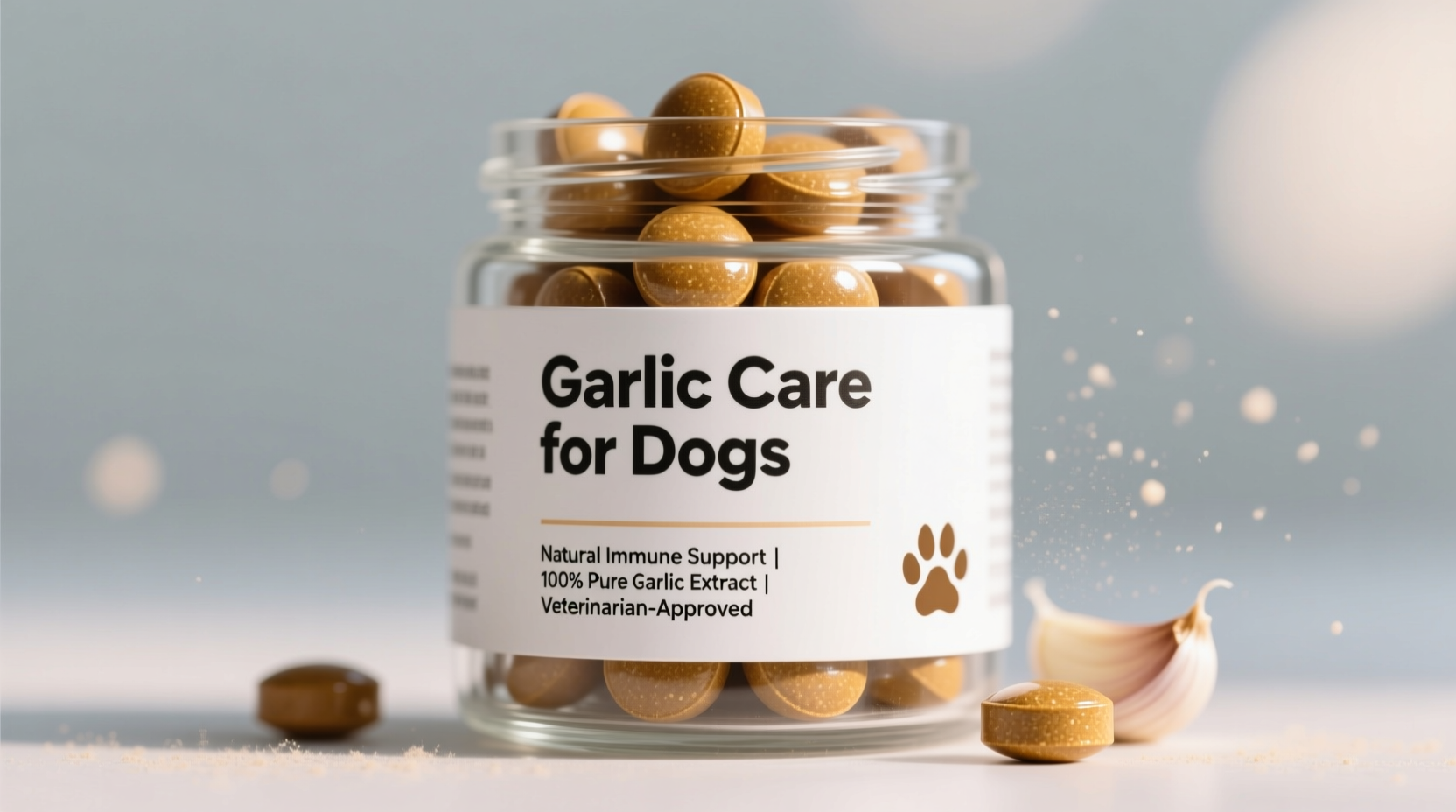
Many pet owners search for natural remedies to boost their dog's health or prevent fleas, leading them to consider garlic supplements. However, this seemingly harmless kitchen staple carries serious risks for canine companions. Understanding the science behind garlic toxicity helps pet owners make informed decisions that prioritize their dog's wellbeing.
Immediate Action: Your Dog Ate Garlic - What Now?
If your dog accidentally consumed garlic pills or any garlic product, take these critical steps:
- Contact your veterinarian or animal poison control immediately
- Have the product packaging ready to share dosage information
- Monitor for early symptoms: vomiting, diarrhea, lethargy
- Do not induce vomiting without professional guidance
Time is crucial with garlic toxicity. The ASPCA Animal Poison Control Center reports that symptoms may not appear for 24-48 hours after ingestion, but damage begins immediately at the cellular level.
Why Garlic Is Dangerous for Dogs: The Science Explained
Garlic belongs to the Allium family (along with onions, leeks, and chives), containing organosulfur compounds that dogs cannot metabolize effectively. Specifically, thiosulfate oxidizes hemoglobin in red blood cells, causing:
- Hemolytic anemia (ruptured red blood cells)
- Methemoglobinemia (reduced oxygen-carrying capacity)
- Heinz body formation (damaged red blood cell membranes)
Unlike humans, dogs lack the enzyme system to safely process these compounds. The Merck Veterinary Manual confirms that repeated small doses are often more dangerous than single large ingestions because damage accumulates over time.
Garlic Toxicity Levels: Understanding the Risk Scale
| Dog Weight | Garlic Amount | Risk Level | Expected Symptoms |
|---|---|---|---|
| 10 lbs (4.5 kg) | 5g (1 clove) | Moderate | Vomiting, diarrhea, lethargy |
| 20 lbs (9 kg) | 10g (2 cloves) | High | Pale gums, weakness, rapid breathing |
| 50 lbs (23 kg) | 15g (3 cloves) | Severe | Dark urine, collapse, potential death |
Source: ASPCA Animal Poison Control
Symptom Timeline: What to Watch For After Garlic Exposure
Garlic toxicity develops progressively. Recognizing these stages helps determine urgency:
- 0-24 hours: Gastrointestinal upset (vomiting, diarrhea, abdominal pain)
- 24-72 hours: Early anemia symptoms (pale gums, weakness, increased heart rate)
- 4-7 days: Peak toxicity (dark urine from hemoglobinuria, jaundice, collapse)
- 7+ days: Potential recovery or fatal complications without treatment
The American Kennel Club Canine Health Foundation emphasizes that smaller breeds and Japanese breeds (like Shiba Inus and Akitas) show heightened sensitivity to Allium toxicity due to genetic factors affecting red blood cell stability.
Debunking Common Garlic Myths for Dogs
Despite persistent claims, scientific evidence contradicts popular beliefs about garlic benefits:
"Garlic Prevents Fleas"
A 2007 study in Parasitology Research found no significant flea-repelling effects from dietary garlic. Meanwhile, the cumulative toxicity risk remains. Safer alternatives like vet-approved topical treatments provide actual protection without health risks.
"Small Amounts Are Safe"
Veterinary toxicologists confirm no established safe threshold. The cumulative nature of thiosulfate damage means repeated small doses can be more dangerous than single larger exposures. The Veterinary Medicine Department at Cornell University states: "There is no scientific basis for recommending garlic as a dietary supplement for dogs."
When Might Garlic Be Used Under Veterinary Supervision?
While generally contraindicated, extremely rare therapeutic applications exist under strict veterinary monitoring:
- As part of specialized treatment protocols for certain parasites
- In minute, precisely measured doses for specific medical conditions
- Only when conventional treatments have failed and risks are documented
These scenarios represent exceptions requiring continuous blood monitoring. Never attempt home administration without explicit veterinary direction and supervision.
Veterinarian-Approved Alternatives to Garlic Supplements
For common concerns driving garlic supplement searches, safer evidence-based options exist:
Flea Prevention
- Veterinary-prescribed topical treatments (imidacloprid, fipronil)
- Oral medications (lufenuron, spinosad)
- Environmental control (diatomaceous earth, regular vacuuming)
Immune Support
- Balanced commercial diets meeting AAFCO standards
- Vitamin E and omega-3 supplements (with veterinary approval)
- Regular exercise and stress reduction techniques
Digestive Health
- Pumpkin puree (canned, unsweetened)
- Probiotics formulated specifically for dogs
- Premium diets with prebiotic fibers
The American Veterinary Medical Association consistently advises against home-administered herbal supplements without professional guidance due to unpredictable interactions and dosage challenges.
Consult Your Veterinarian Before Any Supplement
Responsible pet care requires professional guidance for supplements. During your consultation:
- Disclose all current medications and supplements
- Request evidence supporting any recommended supplement
- Ask about potential side effects and monitoring requirements
- Verify the product's quality control and testing protocols
Reputable veterinary practices will never recommend garlic supplements for routine use. The FDA Center for Veterinary Medicine warns that many over-the-counter pet supplements lack proper safety testing and quality control.
Frequently Asked Questions
Can dogs ever safely consume garlic in any form?
No, veterinarians universally advise against any garlic consumption by dogs. All forms (raw, cooked, powdered, or in supplement form) contain thiosulfate that damages red blood cells. Even small repeated doses can cause cumulative toxicity leading to life-threatening anemia.
What should I do if my dog ate garlic bread?
Contact your veterinarian immediately. Garlic bread typically contains multiple cloves of garlic plus butter and oils that exacerbate gastrointestinal upset. Provide details about your dog's weight and estimated garlic quantity consumed. Do not wait for symptoms to appear, as damage begins before visible signs emerge.
Are some dog breeds more sensitive to garlic toxicity?
Yes, Japanese breeds including Shiba Inus and Akitas show heightened sensitivity due to genetic factors affecting red blood cell stability. Smaller breeds also face greater risk from equivalent doses. However, all dogs remain vulnerable to garlic's toxic effects regardless of breed or size.
How long after garlic ingestion do symptoms appear in dogs?
Initial gastrointestinal symptoms may appear within 24 hours, but severe anemia symptoms typically develop 3-5 days post-ingestion as red blood cells progressively rupture. This delayed presentation makes early veterinary intervention critical, even when dogs initially seem fine after exposure.
What are safer alternatives to garlic for flea prevention?
Veterinarian-approved alternatives include topical treatments containing imidacloprid or fipronil, oral medications like spinosad, and environmental controls using food-grade diatomaceous earth. These options provide proven flea protection without the serious health risks associated with garlic exposure.




 浙公网安备
33010002000092号
浙公网安备
33010002000092号 浙B2-20120091-4