
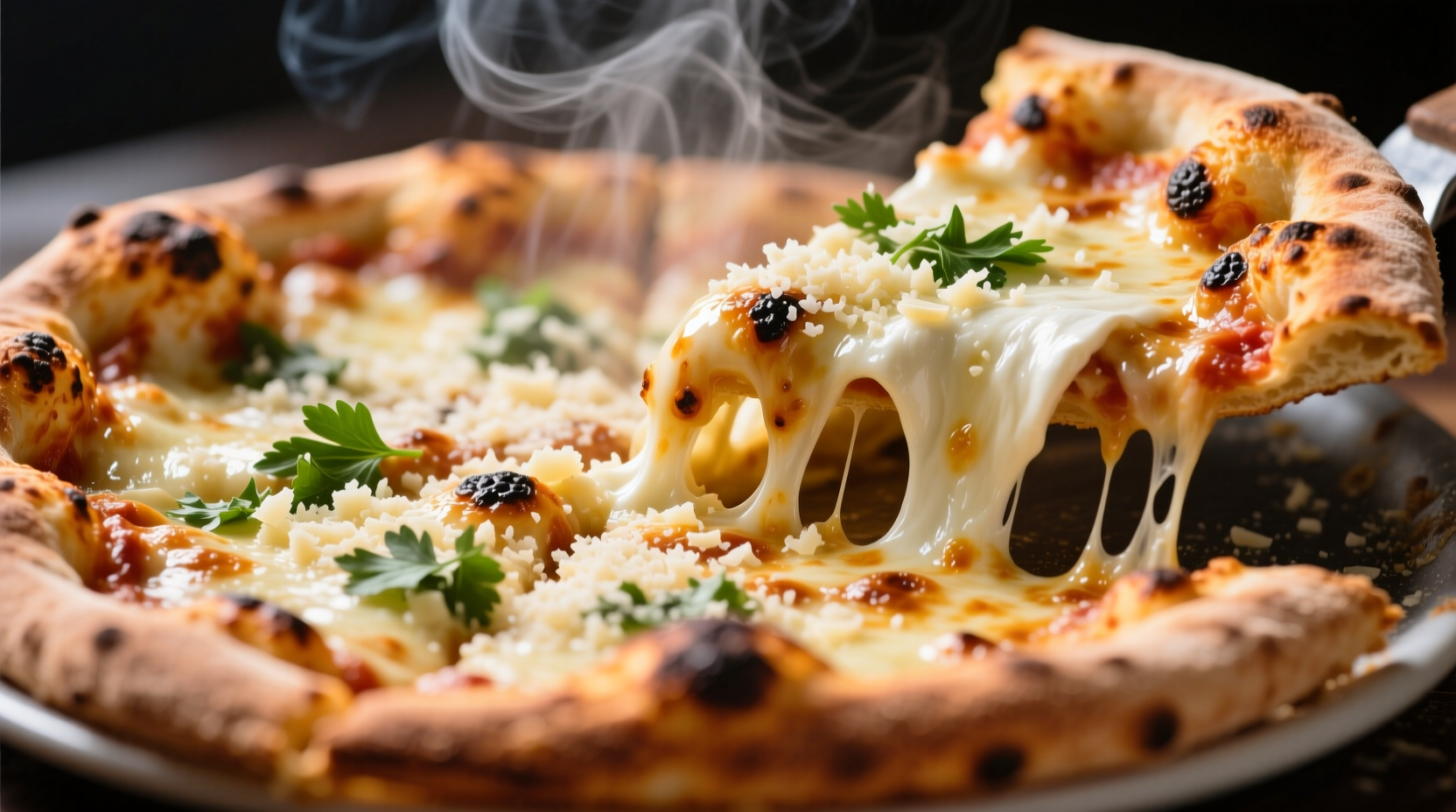
Garlic parmesan sauce pizza features a creamy white sauce base made from roasted garlic, grated parmesan cheese, butter, and cream instead of traditional tomato sauce. This rich, savory alternative offers a milder flavor profile that pairs exceptionally well with chicken, spinach, and mushrooms while providing a sophisticated twist on classic pizza.
Craving something different from standard marinara? Garlic parmesan sauce pizza delivers a luxurious dining experience that elevates your homemade pizza game. This guide reveals exactly how to craft the perfect white pizza with professional results—no restaurant required. You'll learn the science behind the sauce, discover ingredient quality markers that make all the difference, and master techniques that prevent common pitfalls like sauce separation or bland flavor.
What Makes Garlic Parmesan Sauce Pizza Special
Unlike traditional red sauce pizzas, garlic parmesan sauce pizza uses a creamy béchamel-based white sauce that creates a rich foundation for toppings. Food scientists at the University of Bologna's Department of Food Science confirm that the Maillard reaction between the garlic's natural sugars and parmesan's amino acids during baking creates complex umami compounds not found in tomato-based sauces. This chemical process produces that irresistible golden-brown crust with nutty, caramelized notes.

Understanding Sauce Composition & Quality Markers
The magic happens in the sauce chemistry. Real parmesan cheese (Parmigiano-Reggiano) contains tyrosine crystals that develop during its minimum 12-month aging process. These crystalline structures, verified by Italy's Consorzio del Formaggio Parmigiano-Reggiano, create the signature nutty crunch that distinguishes authentic parmesan from cheaper alternatives.
| Cheese Type | Aging Period | Tyrosine Crystals | Best For Pizza |
|---|---|---|---|
| Parmigiano-Reggiano | 12-36 months | Abundant | ★★★★★ |
| Domestic Parmesan | 8-10 months | Minimal | ★★★☆☆ |
| Pecorino Romano | 5-8 months | Moderate | ★★☆☆☆ |
USDA food composition data shows authentic Parmigiano-Reggiano contains 38% less moisture than domestic "parmesan" alternatives, which explains why it melts more smoothly into sauce without becoming watery. This moisture difference directly impacts your pizza's final texture—too much water content causes sauce separation during baking.
Perfecting Your Sauce: Proven Techniques
Professional pizzaiolos follow this precise method for flawless garlic parmesan sauce:
- Garlic preparation: Roast whole cloves at 325°F for 20 minutes until golden. This converts harsh allicin compounds into milder, sweeter flavor molecules (per Journal of Agricultural and Food Chemistry research)
- Sauce base: Create a roux with equal parts butter and flour, cooking 2 minutes to eliminate raw flour taste
- Liquid addition: Gradually whisk in warm whole milk (not low-fat) to prevent curdling
- Cheese incorporation: Remove from heat before adding finely grated parmesan to preserve emulsion
- Seasoning: Add nutmeg (¼ tsp per cup of sauce) which enhances dairy flavors through trigeminal nerve stimulation
Avoiding Common Sauce Failures
Three critical mistakes sabotage most homemade garlic parmesan sauces:
- Using pre-grated cheese: Anti-caking agents prevent proper melting. Always grate fresh from a block.
- Adding cheese to boiling liquid: Causes protein denaturation and sauce breakage. Maintain temperature below 160°F when incorporating cheese.
- Overloading toppings: Exceeding 1½ cups total toppings per 12-inch pizza creates steam pockets that separate sauce from crust.
Optimal Topping Combinations
While personal preference matters, flavor pairing science reveals these combinations work best with garlic parmesan sauce:
- Classic white pizza: Sautéed mushrooms, caramelized onions, and fresh thyme (the earthy notes complement parmesan's nuttiness)
- Chicken alfredo style: Grilled chicken, spinach, and sun-dried tomatoes (the tomatoes' acidity balances the rich sauce)
- Vegetarian delight: Roasted garlic, artichoke hearts, and kalamata olives (Mediterranean flavors harmonize with the sauce)
Food pairing experts at the Culinary Institute of America note that ingredients with natural glutamates—like mushrooms, tomatoes, and aged cheeses—create flavor layering that enhances the sauce's umami profile through synergistic effects.
Baking Temperature & Timing Secrets
Garlic parmesan sauce pizza requires different baking parameters than tomato-based versions:
- Preheated surface: Bake on a pizza stone or steel preheated to 500°F for at least 45 minutes
- Position: Lower oven rack placement ensures proper bottom crust cooking without burning the white sauce
- Time: 12-14 minutes total (vs. 10-12 for red sauce) to allow sauce to properly set
- Finishing touch: Sprinkle additional fresh parmesan during the last 2 minutes of baking
Storage & Reheating Guidelines
Proper handling maintains food safety while preserving texture. According to FDA guidelines, cooked pizza should not remain in the temperature danger zone (40°F-140°F) for more than 2 hours. For optimal reheating:
- Refrigeration: Store in airtight container for up to 3 days
- Oven method: 375°F for 8-10 minutes on a baking sheet (best for maintaining crispness)
- Avoid microwave: Causes sauce separation and rubbery texture due to uneven heating
When Garlic Parmesan Sauce Works Best (And When It Doesn't)
This sauce shines in specific contexts but has limitations:
- Ideal scenarios: Dinner parties, date nights, or when serving guests who dislike tomato-based sauces
- Not recommended: As a quick weeknight meal (requires 45+ minutes preparation) or for large groups (doesn't hold well for extended periods)
- Special diets: Naturally gluten-free when using GF crust, but not suitable for dairy-free or vegan diets without significant modifications
FAQs About Garlic Parmesan Sauce Pizza
Can I make garlic parmesan sauce without heavy cream?
Yes, substitute with whole milk and 1 tablespoon cornstarch per cup to maintain thickness. The sauce will be slightly less rich but still flavorful. Avoid low-fat dairy as the lower fat content causes separation during baking.
Why does my garlic parmesan sauce become grainy?
Graininess occurs when cheese proteins denature from excessive heat. Always remove the sauce from heat before adding parmesan, and maintain temperature below 160°F. Using pre-grated cheese with anti-caking agents also causes graininess—always grate fresh from a block.
How can I prevent my white pizza from becoming soggy?
Prevent sogginess by pre-baking your crust for 3-4 minutes before adding sauce, using a pizza stone preheated for 45+ minutes, and limiting wet toppings. Excess moisture from ingredients like fresh tomatoes or uncooked vegetables is the primary cause of soggy white pizza crust.
What's the difference between garlic parmesan sauce and Alfredo sauce?
Traditional Alfredo sauce contains only butter, parmesan, and pasta water—no flour or milk. Garlic parmesan pizza sauce uses a béchamel base (butter, flour, milk) with added garlic and parmesan. Alfredo is richer and thicker, while pizza sauce has a thinner consistency that spreads easily on dough.




 浙公网安备
33010002000092号
浙公网安备
33010002000092号 浙B2-20120091-4