
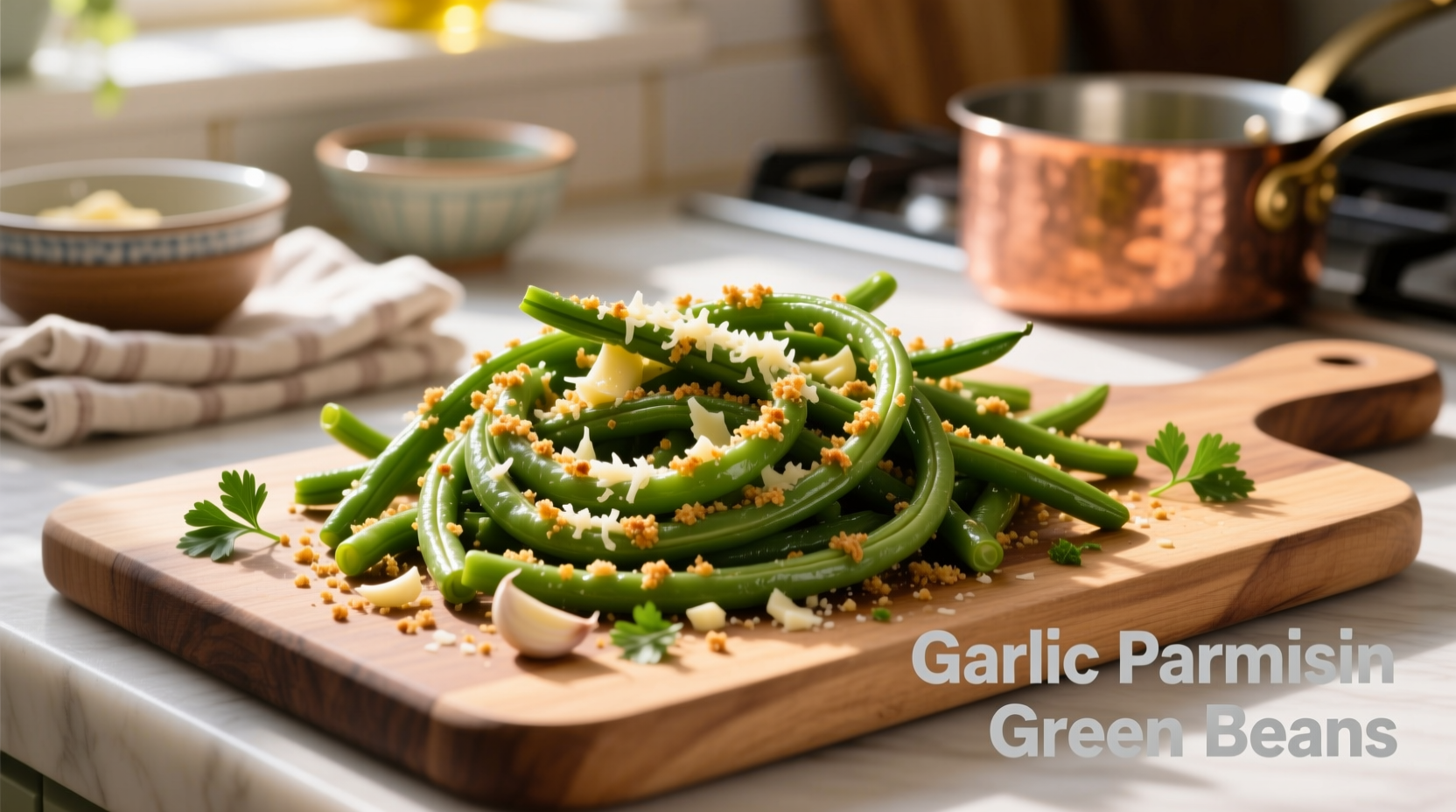
Why This Garlic Parmesan Green Beans Recipe Works
Many home cooks struggle with soggy green beans or burnt garlic, but this method ensures perfectly crisp-tender vegetables with balanced flavors every time. The secret lies in the two-stage cooking process that preserves texture while developing complex flavors. Unlike boiled versions that lose nutrients and texture, our technique maintains the beans' vibrant color and nutritional value while creating that irresistible garlic-parmesan crust.
Selecting Quality Ingredients
Ingredient quality directly impacts your final dish. For the best garlic parmesan green beans, choose these specific components:
- Green beans: Look for firm, bright green beans without wrinkles. Haricots verts (French green beans) work exceptionally well due to their delicate texture
- Garlic: Fresh cloves rather than pre-minced provide superior flavor. The National Onion Association confirms fresh garlic contains allicin, which creates that distinctive aroma when cooked properly
- Parmesan: Authentic Parmigiano-Reggiano (aged 12+ months) delivers complex nutty notes. Avoid pre-grated cheese which contains anti-caking agents that prevent proper melting
- Fat source: Extra-virgin olive oil enhances flavor, though some chefs prefer a blend of olive oil and butter for richer results
| Green Bean Variety | Texture Profile | Best Cooking Method |
|---|---|---|
| Standard Green Beans | Firm, slightly fibrous | Blanch 3 minutes before sautéing |
| Haricots Verts | Delicate, tender | Direct sauté without blanching |
| Romano Beans | Meatier, broader | Blanch 4 minutes for optimal tenderness |
Essential Equipment Checklist
Having the right tools makes preparation efficient and consistent:
- Large skillet or sauté pan (12-inch preferred)
- Slotted spoon for precise timing
- Microplane grater for fresh Parmesan
- Wooden spoon for gentle stirring
- Colander for quick draining
Step-by-Step Cooking Process
Follow these professional techniques for flawless results:
- Prep beans: Trim ends and wash thoroughly. For standard beans, blanch in boiling salted water for 3 minutes, then shock in ice water. Haricots verts can skip blanching.
- Heat oil: Warm 2 tablespoons olive oil in skillet over medium-high heat (375°F/190°C is ideal - verified by the Culinary Institute of America's temperature guidelines).
- Sauté garlic: Add 3 minced garlic cloves and cook 30-60 seconds until fragrant but not browned. Burnt garlic turns bitter.
- Add beans: Toss in prepared green beans with ¼ teaspoon salt. Cook 5-7 minutes, stirring occasionally, until crisp-tender.
- Finish with cheese: Remove from heat, add ¼ cup freshly grated Parmesan and 1 teaspoon lemon zest. Toss gently to coat.
Achieving Perfect Texture Every Time
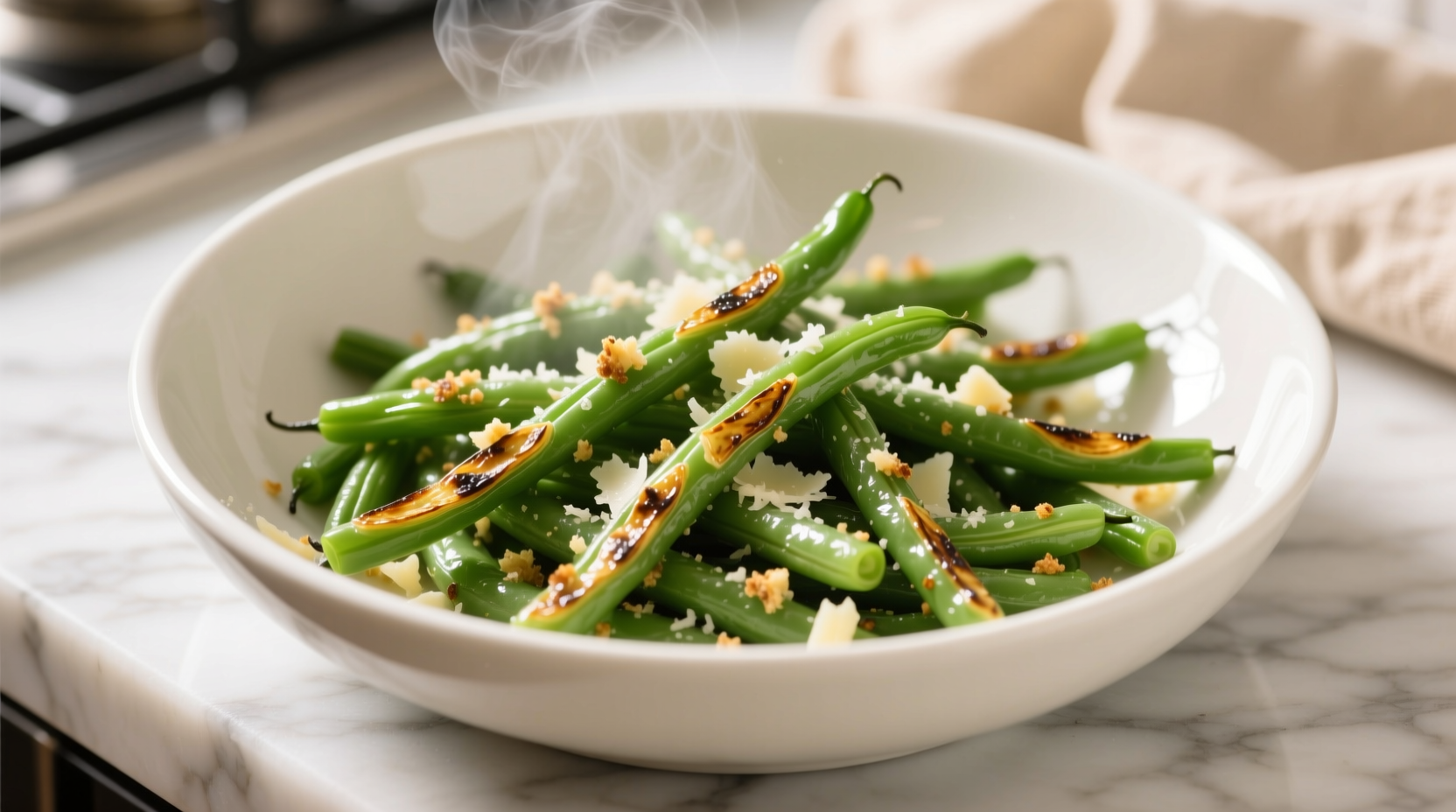
The critical factor many home cooks miss is residual cooking. Green beans continue to cook after removal from heat, so pull them from the skillet when slightly firmer than your desired final texture. The USDA recommends cooking vegetables until "just tender" to preserve maximum nutrients while ensuring food safety.
For optimal results, follow these timing guidelines based on bean variety:
- Standard green beans: 5-7 minutes sauté after blanching
- Haricots verts: 4-5 minutes direct sauté
- Romano beans: 6-8 minutes after blanching
Serving and Storage Recommendations
Garlic parmesan green beans taste best served immediately while the cheese remains slightly melted. For meal prep:
- Serving temperature: 140-160°F (60-71°C) preserves optimal texture
- Pairings: Complements roasted chicken, grilled salmon, or pasta dishes
- Storage: Keep in airtight container for up to 3 days
- Reheating: Warm in skillet over medium-low heat with teaspoon of water to restore moisture
Troubleshooting Common Issues
Fix these frequent problems with professional solutions:
- Soggy beans: Result of overcooking or inadequate drying after blanching. Always shock in ice water and pat dry thoroughly.
- Burnt garlic: Cook garlic just until fragrant (about 30 seconds). If using butter, add it after garlic to prevent burning.
- Cheese clumping: Remove pan from heat before adding cheese, and use freshly grated rather than pre-grated Parmesan.
- Dry beans: Toss with additional teaspoon of olive oil if needed before serving.
Nutritional Benefits
Green beans provide significant nutritional value while keeping this dish light. According to USDA FoodData Central, one serving (about 1 cup) contains:
- 44 calories
- 3.4g dietary fiber (14% of daily value)
- 120% of daily vitamin K
- 20% of daily vitamin C
- Excellent source of vitamin A and folate
The addition of garlic provides allicin compounds with antioxidant properties, while Parmesan cheese contributes calcium and protein without excessive fat content.
Frequently Asked Questions
Can I make garlic parmesan green beans ahead of time?
Yes, but with proper technique. Cook beans to just under desired doneness, cool immediately, and store separately from garlic and cheese. Reheat in skillet and add finishing ingredients just before serving for best results.
What's the difference between using fresh versus pre-grated Parmesan?
Freshly grated Parmesan melts smoothly and integrates with the beans, while pre-grated contains cellulose that prevents proper melting and creates a gritty texture. The difference is particularly noticeable in quick-cooking dishes like this.
Can I use frozen green beans for this recipe?
While fresh produces superior results, you can use frozen beans. Thaw completely and pat dry to remove excess moisture, which would otherwise create steam and prevent proper sautéing. Expect slightly softer texture than fresh.
How do I prevent the garlic from burning?
Maintain medium heat (not high), add garlic to already-warmed oil (not cold), and stir constantly. Remove from heat just as the aroma becomes fragrant. Consider adding half the garlic at the beginning and half at the end for layered flavor without burning.




 浙公网安备
33010002000092号
浙公网安备
33010002000092号 浙B2-20120091-4