
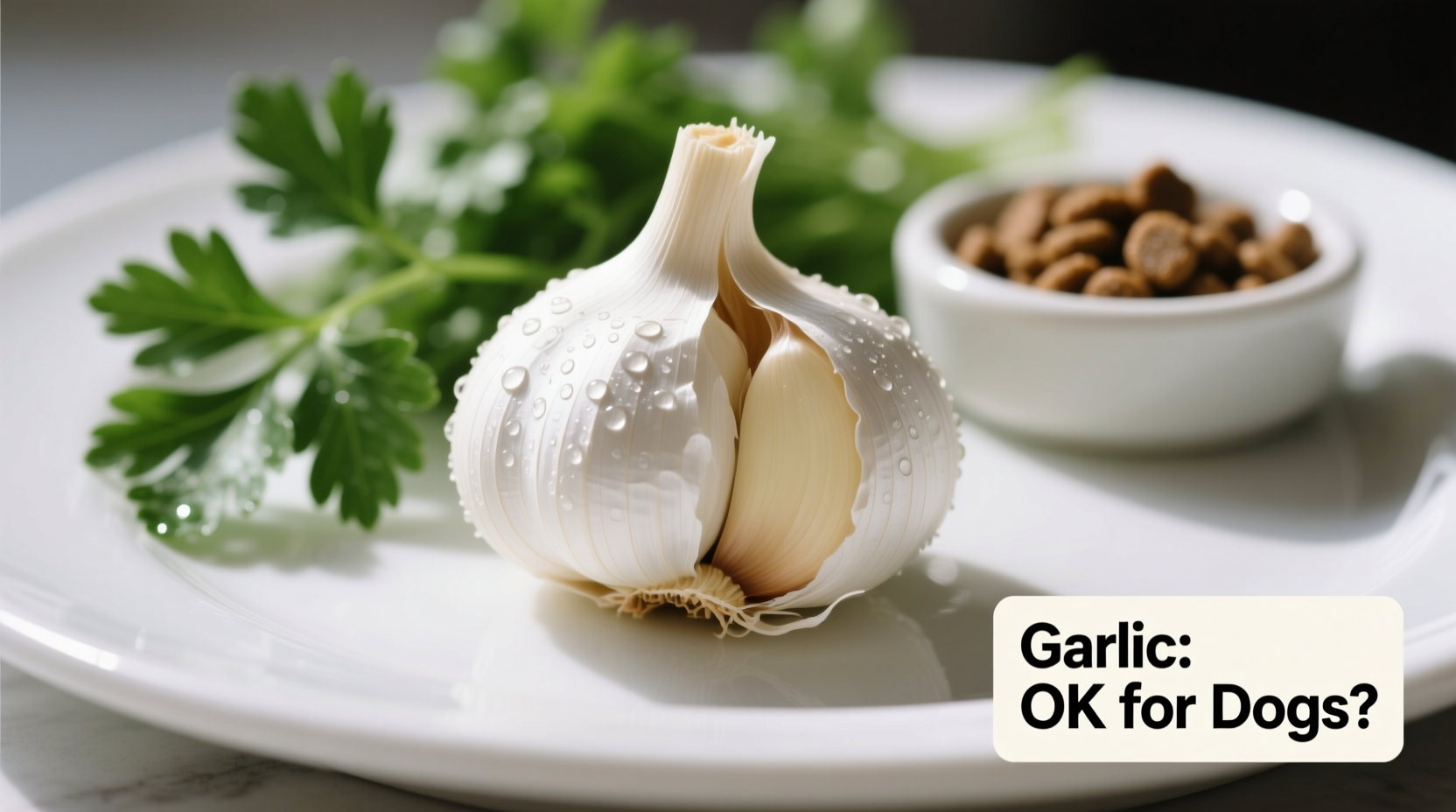
Garlic is NOT safe for dogs. Scientific evidence confirms garlic contains compounds that damage red blood cells, potentially causing life-threatening anemia. Even small amounts can be toxic, with symptoms appearing 24-72 hours after ingestion.
As a dog owner, discovering your pet might have eaten something harmful triggers immediate concern. When it comes to garlic and dogs, the veterinary consensus is clear: this common kitchen ingredient poses serious health risks that require prompt attention. Understanding why garlic is dangerous, recognizing early warning signs, and knowing exactly what to do can make all the difference in your dog's recovery.
Why Garlic Is Dangerous for Dogs: The Science Explained
Garlic belongs to the Allium family, which includes onions, chives, and leeks—all toxic to dogs. The dangerous component is N-propyl disulfide, a sulfur compound that oxidizes hemoglobin in red blood cells. This creates Heinz bodies, abnormal structures that cause the spleen to destroy these damaged cells. The resulting condition, hemolytic anemia, reduces oxygen delivery throughout your dog's body.
According to the ASPCA Animal Poison Control Center, dogs are significantly more sensitive to Allium toxicity than humans. While humans can metabolize these compounds safely, dogs lack the necessary enzymes to process them effectively. Research published in Veterinary and Human Toxicology confirms that garlic is five times more toxic to dogs than onions, making even small exposures potentially dangerous.
How Much Garlic Is Toxic? Understanding Dangerous Thresholds
| Dog Weight | Garlic Amount | Risk Level | Expected Symptoms |
|---|---|---|---|
| 10 lbs (4.5 kg) | 1 clove (5g) | High Risk | Vomiting, weakness, pale gums |
| 30 lbs (13.6 kg) | 1-2 cloves (5-10g) | Moderate-High Risk | Lethargy, decreased appetite |
| 60 lbs (27.2 kg) | 2-3 cloves (10-15g) | Moderate Risk | Mild gastrointestinal upset |
| Any size | Garlic powder (0.5g/kg) | Severe Risk | Hemolytic anemia, collapse |
This comparison shows why no amount of garlic is considered completely safe for dogs. Smaller breeds face greater risk from smaller quantities, but even large dogs can develop serious complications. Garlic powder and concentrated supplements pose particularly high risks due to their potency—just 1 gram of garlic powder equals approximately 5 grams of fresh garlic.
Symptom Timeline: What to Watch For After Garlic Ingestion
Unlike some toxins that cause immediate reactions, garlic poisoning symptoms typically develop gradually. Recognizing this progression helps determine appropriate action:
- 0-24 hours: Vomiting, diarrhea, abdominal pain (not always present)
- 24-48 hours: Lethargy, weakness, decreased appetite, pale gums
- 48-72 hours: Rapid breathing, increased heart rate, dark urine (hemoglobinuria)
- 72+ hours: Collapse, jaundice, potentially life-threatening anemia
The Merck Veterinary Manual emphasizes that symptoms may not appear until days after ingestion, creating false reassurance. Blood tests remain the only definitive diagnostic method, as physical symptoms often indicate significant red blood cell damage has already occurred.
Immediate Action Plan: Your Dog Ate Garlic—Now What?
If your dog consumed garlic, follow these vet-recommended steps:
- Calculate the amount ingested using the table above—this information is critical for your veterinarian
- Contact your veterinarian or animal poison control immediately—do not wait for symptoms
- Do NOT induce vomiting unless specifically instructed by a professional
- Bring the packaging or remaining garlic to help determine concentration
- Monitor closely for 72 hours even if initial symptoms seem mild
Early intervention significantly improves outcomes. Treatment may include intravenous fluids, oxygen therapy, and in severe cases, blood transfusions. The American Veterinary Medical Association reports that dogs receiving treatment within 12 hours of ingestion typically recover fully, while delayed treatment increases complications.
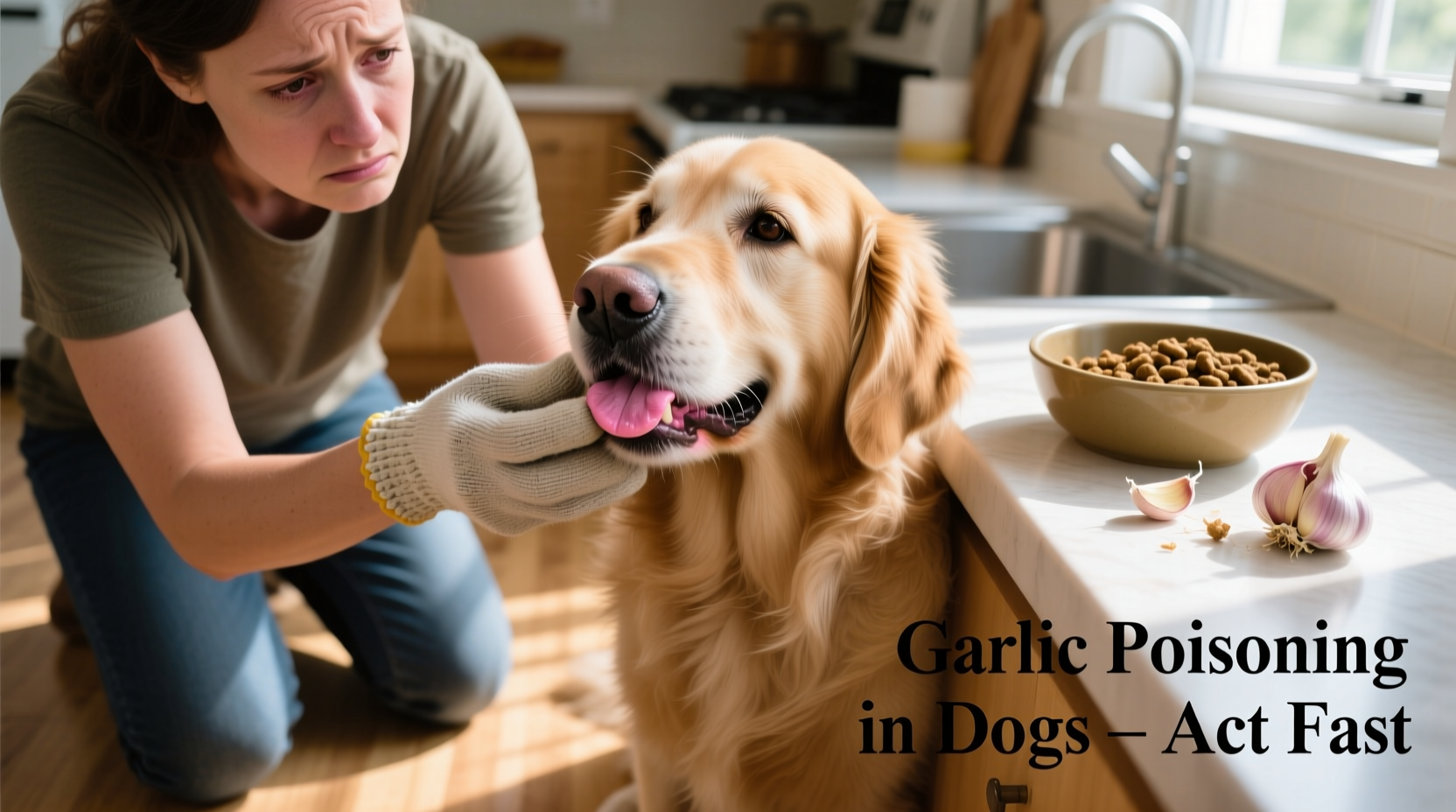
Safe Alternatives for Supporting Your Dog's Health
Many pet owners consider garlic for purported health benefits like flea prevention or immune support. Fortunately, veterinarian-approved alternatives exist that provide similar benefits without the risks:
- Flea prevention: FDA-approved topical treatments or oral medications
- Digestive health: Pumpkin puree (not pie filling) or probiotic supplements
- Immune support: Blueberries, carrots, or vet-recommended supplements
- Breath freshening: Dental chews approved by the Veterinary Oral Health Council
Always consult your veterinarian before introducing new foods or supplements to your dog's diet. The Veterinary Partner database confirms that no scientific evidence supports garlic's health benefits for dogs, while substantial evidence documents its dangers.
Common Misconceptions About Garlic and Dogs
Several persistent myths create dangerous misunderstandings:
- "Small amounts are safe": Research shows cumulative exposure to small amounts can cause toxicity over time
- "Cooked garlic is safe": Cooking doesn't eliminate toxic compounds—they remain dangerous
- "Garlic prevents fleas": No scientific evidence supports this claim; safer alternatives exist
- "My dog ate garlic before with no issues": Symptoms may not appear immediately, and repeated exposure increases risk
Commercial dog foods sometimes contain trace garlic derivatives as flavor enhancers. While regulated amounts in premium foods typically fall below toxic thresholds, intentional garlic supplementation remains dangerous. Always check ingredient labels and consult your veterinarian about any concerns.
When to Seek Emergency Care
Contact your veterinarian immediately if your dog shows any of these warning signs after potential garlic exposure:
- Pale or yellow-tinged gums
- Unusual lethargy or weakness
- Rapid breathing or heart rate
- Dark orange or red urine
- Refusal to eat for more than 12 hours
Remember that early intervention saves lives. Even if symptoms seem mild initially, the progressive nature of garlic toxicity means waiting can have serious consequences. Keep your veterinarian's after-hours number readily available.




 浙公网安备
33010002000092号
浙公网安备
33010002000092号 浙B2-20120091-4