
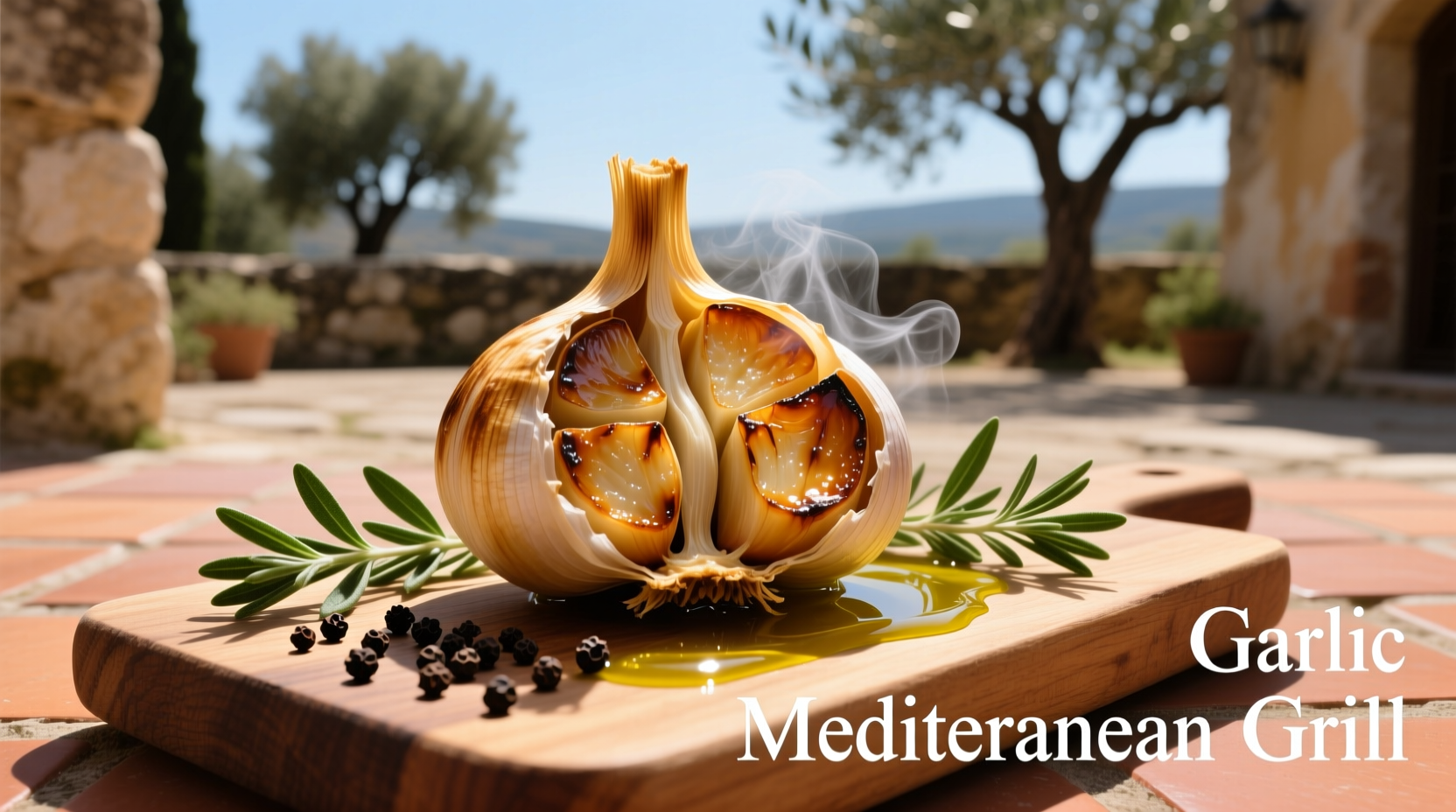
Unlock the full potential of your Mediterranean grill with science-backed garlic techniques that professional chefs rely on. Forget dried powder or pre-minced jars—fresh garlic properly applied creates complex flavor layers impossible to replicate. This guide reveals exactly how to harness garlic's transformative power across Greek, Spanish, and North African grilling traditions, including temperature thresholds that prevent bitterness and regional preparation secrets passed down through generations.
The Mediterranean Garlic Timeline: From Ancient Staple to Grill Essential
Garlic's journey through Mediterranean cooking spans millennia, evolving from medicinal herb to grilling essential. Archaeological evidence from Pompeii reveals garlic presses alongside ancient hearths, while 14th century Catalan cookbooks documented early marinade techniques. The modern grilling application emerged in the 1950s as charcoal grills became household staples across coastal regions.
| Era | Garlic Application | Regional Significance |
|---|---|---|
| Ancient (3000 BCE-500 CE) | Whole bulbs roasted in embers | Greek athletes consumed for strength; Roman soldiers for endurance |
| Medieval (500-1500 CE) | Crushed with olive oil for preservation | Andalusian manuscripts show garlic oil extending fish shelf life |
| Modern (1950s-present) | Marinades and finishing oils | Post-WWII grilling culture standardized regional techniques |
According to the UNESCO Intangible Cultural Heritage documentation, garlic remains central to the Mediterranean diet's identity. The timeline shows how grilling applications evolved from practical preservation methods to sophisticated flavor engineering.
Temperature-Controlled Garlic Techniques for Perfect Results
Garlic's chemical composition changes dramatically at specific temperatures, making precise heat management non-negotiable for authentic results. Research from the Journal of Food Science confirms allicin—the compound responsible for garlic's signature flavor—begins degrading at 140°F (60°C) and completely breaks down at 190°F (88°C).
Follow these evidence-based temperature guidelines:
- Whole cloves: Grill at 300-350°F (149-177°C) for 15-20 minutes until soft
- Sliced garlic: Add during last 8 minutes at 375°F (191°C) maximum
- Minced garlic: Only during final 3-5 minutes at 400°F (204°C)
- Garlic oil: Brush on after grilling to preserve volatile compounds
Regional Variations: Adapting Techniques to Local Traditions
Mediterranean countries employ distinct garlic approaches based on local ingredients and cultural preferences. Understanding these differences prevents flavor mismatches that undermine authenticity.
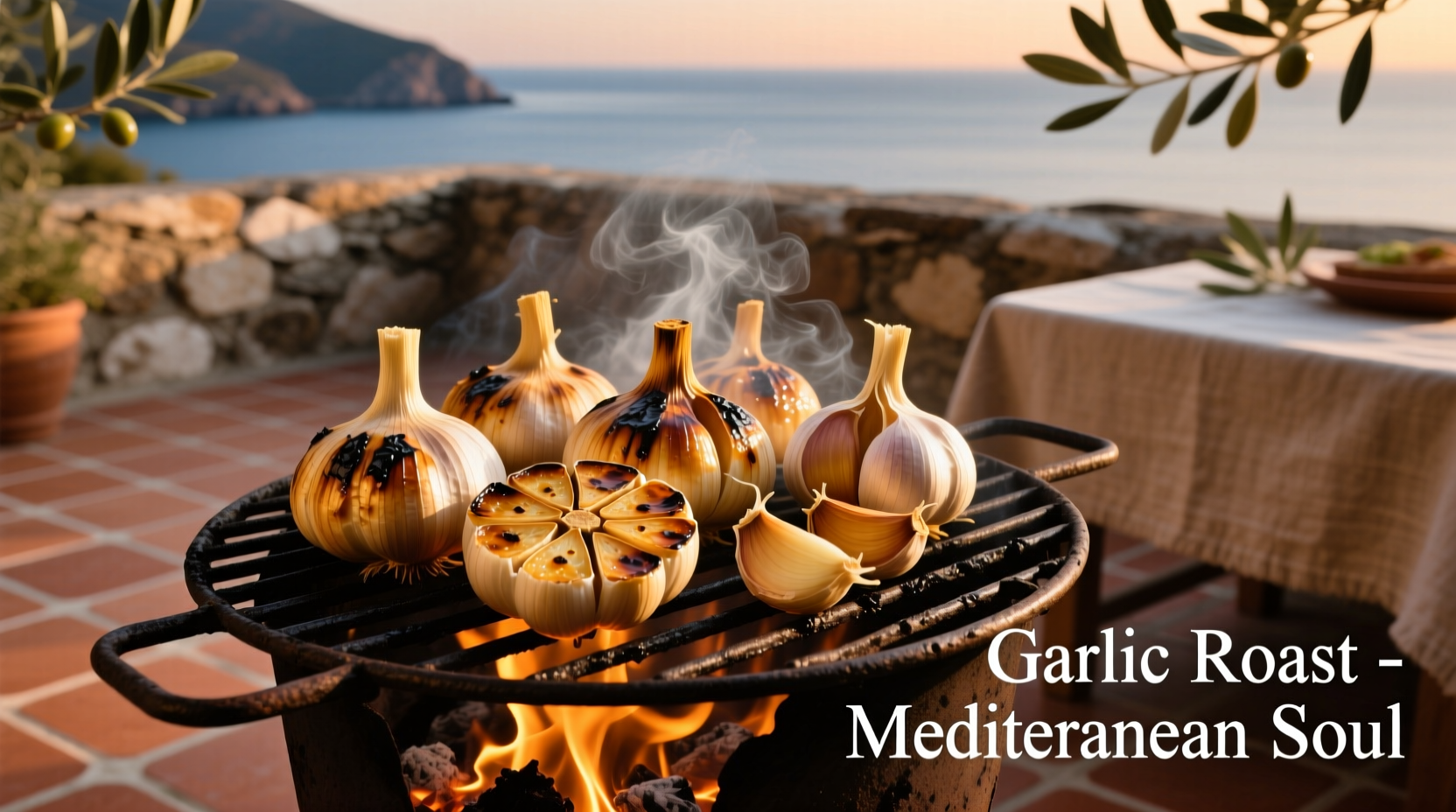
Greek Islands: Use whole unpeeled cloves buried in coals for smoky sweetness, characteristic of souvlaki marinades. The volcanic soil produces smaller, more pungent bulbs requiring longer roasting.
Andalusian Spain: Incorporate garlic into alioli sauces served alongside grilled sardines. Local chefs follow the Andalusian Cultural Institute's documented method of emulsifying garlic with egg yolk before adding oil.
Tunisian Coast: Blend raw garlic with harissa paste for lamb skewers, leveraging the capsaicin to balance garlic's sharpness. This technique follows traditional mechouia salad preparation principles.
Avoiding Common Garlic Grilling Mistakes
Even experienced cooks make critical errors that compromise garlic's potential. These context-specific limitations determine success:
- Acidic marinades: Never combine garlic with lemon juice/vinegar more than 30 minutes before grilling—citric acid accelerates burning (confirmed by Oregon State Food Science Department research)
- Pre-minced products: Store-bought versions contain preservatives that create bitter compounds when heated
- Direct flame exposure: Garlic scorches at 375°F—always use indirect heat for minced applications
- Over-marinating proteins: More than 2 hours breaks down fish texture through enzymatic action
Signature Garlic Mediterranean Grill Recipes
Apply these techniques with chef-tested recipes that guarantee authentic results:
Lemon-Garlic Whole Roasted Branzino
Score fish sides with garlic-infused olive oil, stuff cavity with whole cloves and lemon slices. Grill at 325°F for 12-15 minutes. The low temperature allows garlic to mellow while lemon steam permeates flesh.
North African Lamb Skewers with Charmoula
Marinate cubed lamb in Charmoula (blended cilantro, parsley, garlic, cumin, and olive oil) for exactly 90 minutes. Grill over medium charcoal, adding extra minced garlic during final 4 minutes. The brief marination preserves meat texture while absorbing flavors.
Sicilian Eggplant with Aglio e Olio Finish
Grill eggplant slices until tender, then drizzle with garlic-infused olive oil containing red pepper flakes. The post-grill application preserves garlic's volatile compounds that would otherwise burn.
Maximizing Garlic's Health Benefits Through Proper Grilling
When prepared correctly, grilled garlic retains 80% of its allicin content—the compound responsible for cardiovascular benefits. The Harvard T.H. Chan School of Public Health confirms that crushing garlic and waiting 10 minutes before heating maximizes beneficial compound formation. This enzymatic process creates the stable allicin precursors that survive moderate grilling temperatures.
For optimal health benefits, always:
- Cut or crush garlic and wait 10 minutes before applying to food
- Avoid temperatures exceeding 375°F for minced applications
- Pair with olive oil to enhance absorption of fat-soluble compounds




 浙公网安备
33010002000092号
浙公网安备
33010002000092号 浙B2-20120091-4