
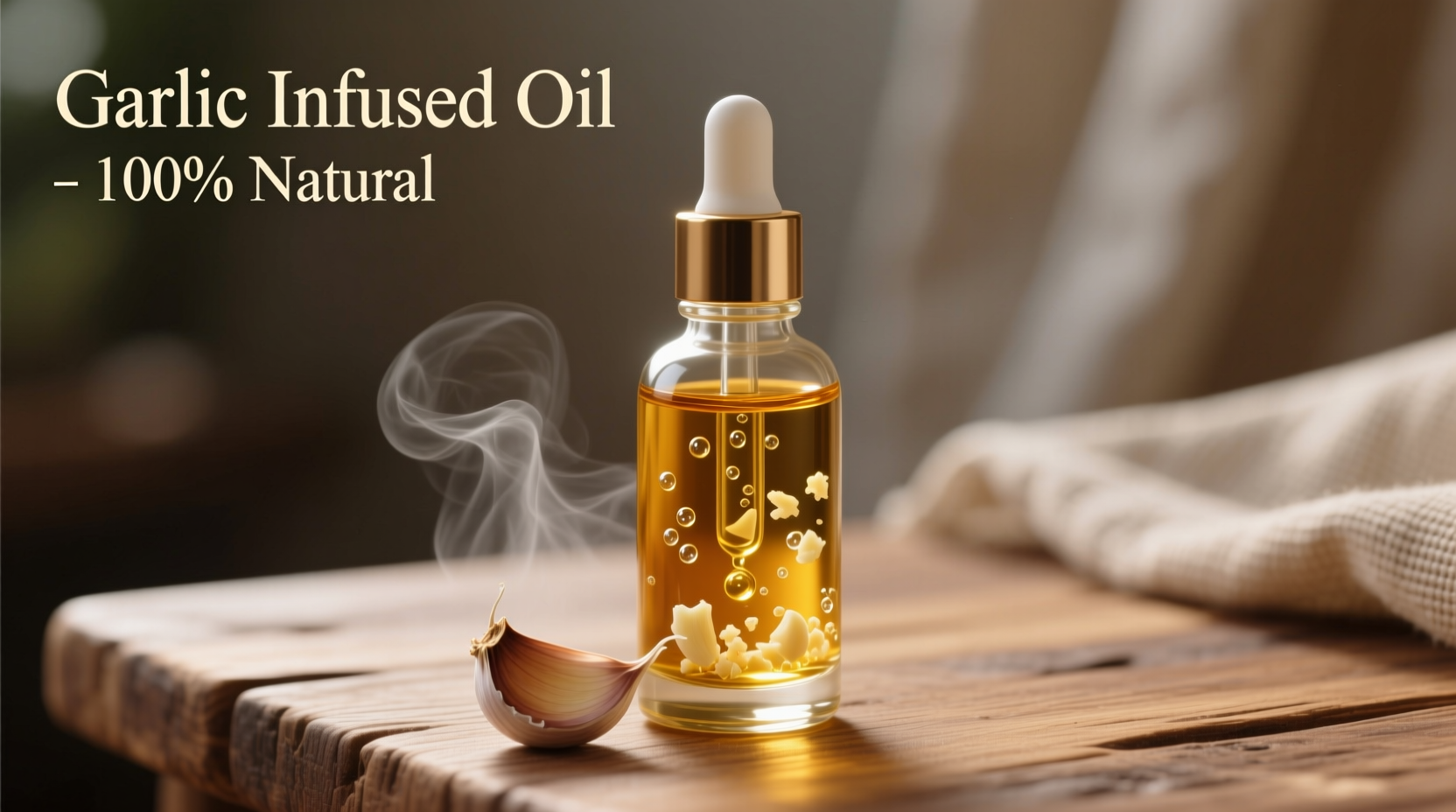
Garlic infused oil safely enhances dishes with rich flavor when prepared correctly. Unlike store-bought versions, homemade garlic oil requires acidification or refrigeration to prevent botulism risk. This guide provides science-backed preparation methods, storage timelines, and professional culinary applications for perfect results every time.
Garlic infused oil transforms ordinary dishes into restaurant-quality creations with minimal effort. Chefs worldwide rely on this versatile ingredient to add depth to sauces, dressings, and roasted vegetables. But improper preparation carries serious health risks—botulism poisoning from homemade garlic oil causes approximately 150 cases annually in the US, according to the FDA's Center for Food Safety and Applied Nutrition.
Why Garlic Oil Safety Matters More Than You Think
Raw garlic submerged in oil creates the perfect anaerobic environment for Clostridium botulinum bacteria to produce deadly toxins. Unlike vinegar-based infusions, plain garlic oil lacks natural protection against this threat. The Centers for Disease Control and Prevention (CDC) reports that improperly stored garlic-in-oil mixtures caused 12 documented botulism outbreaks between 2010-2022, with symptoms appearing 12-36 hours after consumption.
| Preparation Method | Room Temperature Shelf Life | Refrigerated Shelf Life | Botulism Risk Level |
|---|---|---|---|
| Plain garlic in oil | 2 hours | 4 days | Extremely High |
| Acidified (pH ≤4.6) | 1 week | 3 weeks | Low |
| Commercially processed | 6-12 months | 12-18 months | Negligible |
The Only 2 Safe Methods for Homemade Garlic Oil
Based on USDA Food Safety guidelines, professional kitchens use these verified approaches:
Acidification Method (Recommended for Room Temperature Storage)
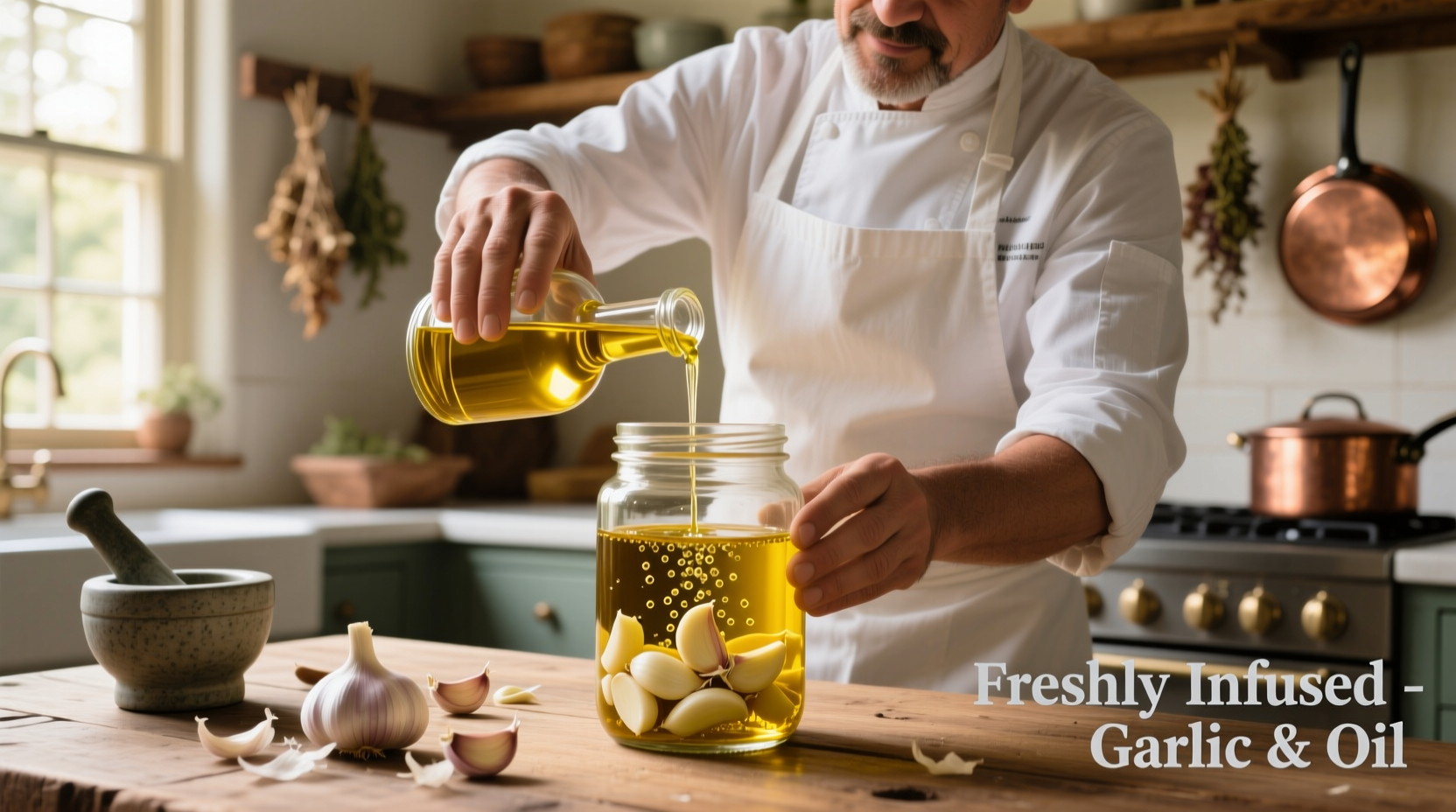
This technique lowers pH to inhibit bacterial growth. You'll need:
- Fresh garlic cloves, peeled and sliced
- High-quality olive oil or neutral oil
- Food-grade citric acid (0.5% concentration) OR lemon juice (1:4 ratio with oil)
- Blanch garlic slices in boiling water for 30 seconds
- Combine oil with acidifier in glass container
- Add garlic, ensuring complete submersion
- Store at room temperature for up to 7 days or refrigerate for extended use
Refrigeration Method (Simpler Approach)
For immediate use within one week:
- Use only freshly peeled garlic (never pre-peeled)
- Maintain oil temperature below 40°F (4°C) at all times
- Discard after 4 days even if refrigerated
- Always check for cloudiness or off-odors before use
Culinary Applications That Impress
Professional chefs utilize garlic oil in three distinct ways:
Finishing Oil Technique
Drizzle cold-infused oil over finished dishes to preserve delicate garlic notes. Ideal for:
- Bruschetta toppings
- Pasta dishes (especially aglio e olio)
- Seafood preparations
Cooking Medium
Use warm-infused oil as your primary cooking fat for:
- Sautéing vegetables
- Roasting potatoes
- Stir-frying proteins
Flavor Base
Incorporate into compound butters, mayonnaise, or salad dressings for layered garlic essence without raw bite.
Avoid These 3 Common Mistakes
Even experienced home cooks make these critical errors:
- Using dried garlic - Increases botulism risk due to trapped air pockets
- Adding herbs without acidification - Rosemary and thyme introduce additional bacterial risks
- Storing in decorative containers - Opaque vessels prevent visual spoilage detection
When to Choose Commercial Products
Food safety experts recommend store-bought garlic oil when:
- Preparing food for vulnerable populations (pregnant women, elderly, immunocompromised)
- Need extended shelf stability for catering or events
- Lacking proper refrigeration during service
The FDA requires commercial garlic oils to undergo thermal processing that destroys spores—a step impossible in home kitchens. Look for products labeled "acidified" or "pasteurized" with pH levels below 4.6.
Perfect Pairings for Garlic Oil
Maximize flavor impact with these professional combinations:
- Pasta - Toss with spaghetti, red pepper flakes, and Parmesan
- Vegetables - Roast Brussels sprouts or asparagus
- Bread - Brush on focaccia before baking
- Proteins - Marinate chicken or fish for 30 minutes
Storage Guidelines That Prevent Waste
Follow these evidence-based timelines from Cornell University's Food Safety Lab:
- Acidified oil at room temperature: 7 days maximum
- Acidified oil refrigerated: 21 days
- Non-acidified refrigerated: 4 days
- Never freeze garlic oil (causes separation and texture issues)
Always store in clean glass containers with tight-sealing lids. Discard immediately if you notice:
- Bubbling or fermentation signs
- Cloudiness in previously clear oil
- Off smells resembling sour dairy




 浙公网安备
33010002000092号
浙公网安备
33010002000092号 浙B2-20120091-4