
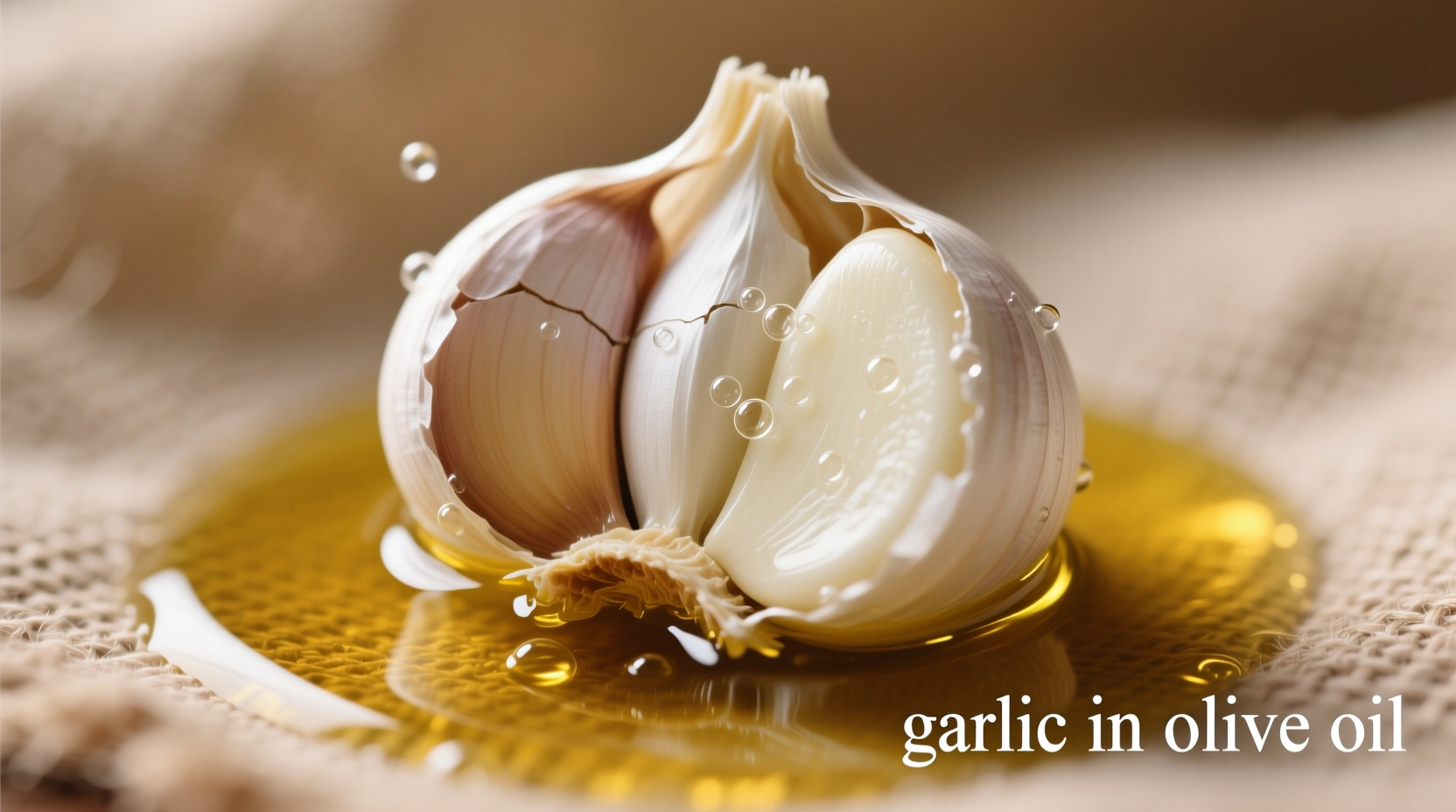
Garlic stored in olive oil at room temperature without proper acidification creates a perfect environment for Clostridium botulinum bacteria to produce deadly botulinum toxin. The only safe methods are refrigeration below 40°F (4°C) with consumption within 1 week, or acidification to pH 4.6 or lower with refrigeration.
Creating flavorful garlic-infused olive oil is a kitchen staple for many home cooks, but doing it safely requires understanding critical food science principles. This guide reveals exactly how to enjoy garlic in olive oil without risking foodborne illness, combining professional chef techniques with verified food safety protocols.
Why Garlic in Olive Oil Poses a Serious Food Safety Risk
When garlic cloves sit submerged in olive oil at room temperature, they create an anaerobic (oxygen-free) environment where Clostridium botulinum spores can germinate and produce botulinum toxin—the most potent neurotoxin known. Unlike many foodborne pathogens, botulism toxin isn't destroyed by cooking and shows no visible signs of spoilage.
| Preparation Method | Botulism Risk Level | Safe Storage Duration | Required Conditions |
|---|---|---|---|
| Raw garlic in oil (room temp) | Extremely High | Unsafe at any duration | Never recommended |
| Raw garlic in oil (refrigerated) | Moderate | Maximum 7 days | Below 40°F (4°C) constantly |
| Acidified garlic in oil (refrigerated) | Very Low | Up to 3 weeks | pH ≤ 4.6 + refrigeration |
| Commercially processed | Negligible | As labeled | Pressure-canning + preservatives |
The Science Behind Safe Garlic Infusion
According to the U.S. Food and Drug Administration, C. botulinum requires specific conditions to produce toxin: temperatures between 38°F-118°F (3°C-48°C), low-acid environment (pH > 4.6), and absence of oxygen. Olive oil provides the perfect anaerobic environment, while garlic's natural moisture creates the ideal breeding ground.
University of California Cooperative Extension research confirms that acidification to pH 4.6 or lower effectively prevents toxin production. This is why adding lemon juice or vinegar isn't just for flavor—it's a critical safety measure.
Two Verified Safe Methods for Home Preparation
Method 1: Refrigerated Garlic Oil (Short-Term Use)
Best for: Immediate use within 7 days
Required equipment: Glass jar with tight seal, refrigerator thermometer
- Peel and gently crush 4-6 garlic cloves (crushing releases more flavor compounds)
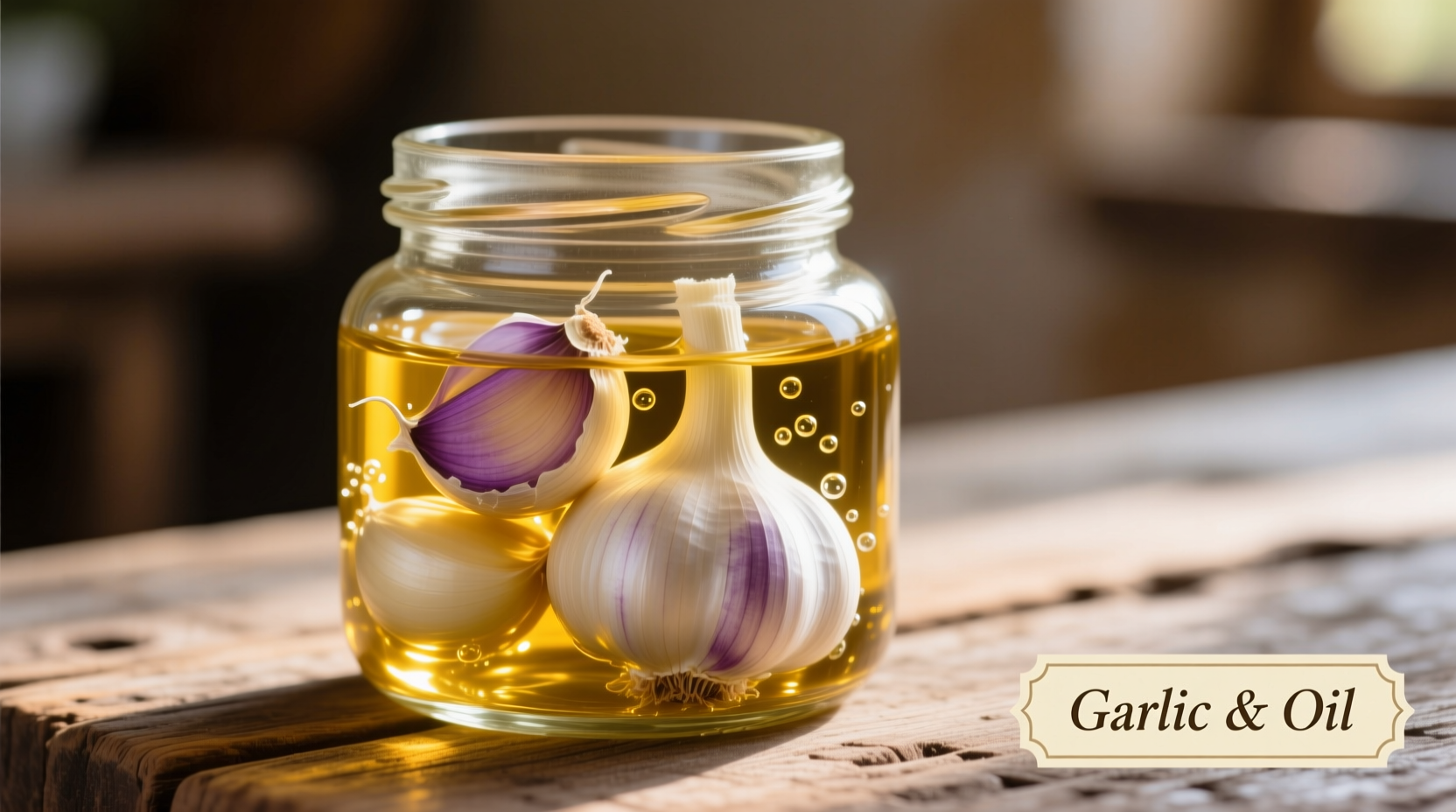
- Place in clean glass container
- Pour high-quality extra virgin olive oil over cloves, ensuring complete submersion
- Store immediately in refrigerator below 40°F (4°C)
- Use within 7 days—discard if cloudy appearance or bubbling occurs
Method 2: Acidified Garlic Oil (Extended Shelf Life)
Best for: Flavorful oil with 3-week refrigerator shelf life
Required ingredients: 1 cup olive oil, 4 garlic cloves, 2 tbsp lemon juice (pH 2.0-2.6)
- Combine lemon juice and olive oil in glass container
- Add peeled, crushed garlic cloves
- Stir thoroughly to distribute acid throughout oil
- Store in refrigerator below 40°F (4°C)
- Use within 21 days—test pH periodically with strips if storing longer
Critical Context Boundaries: When Garlic Oil Becomes Dangerous
Understanding the specific conditions that create risk is essential for safe preparation. The National Center for Home Food Preservation emphasizes these critical boundaries:
- Temperature danger zone: Between 40°F-140°F (4°C-60°C) for more than 2 hours
- pH threshold: Above 4.6 creates risk even with refrigeration
- Time factor: Risk increases exponentially after 7 days refrigerated
- Visual deception: Botulism contamination shows no visible signs—never rely on appearance
Commercial producers use pressure-canning and preservatives to create shelf-stable products, but these methods aren't safe for home preparation according to FDA guidelines.
Professional Chef Techniques for Maximum Flavor
While safety comes first, you can still achieve restaurant-quality flavor with these chef-approved methods:
- Cold infusion: Refrigerate garlic in oil for 24-48 hours for subtle flavor (safest method)
- Heat-assisted infusion: Gently warm garlic in oil to 140°F (60°C) for 20 minutes, then immediately refrigerate (never exceed 140°F)
- Flavor layering: Add fresh herbs like rosemary or thyme during infusion for complex flavor profiles
Practical Applications in Everyday Cooking
Safely prepared garlic oil elevates dishes without the risk of raw garlic burning:
- Finish pasta dishes with a drizzle for instant flavor enhancement
- Use as base for salad dressings and marinades
- Brush over grilled vegetables or proteins during final cooking minutes
- Create instant aioli by whisking with mayonnaise and lemon juice
- Drizzle over finished soups for aromatic finish
Common Mistakes That Create Danger
Avoid these potentially deadly errors identified by food safety experts:
- Room temperature storage: Never leave garlic oil at room temperature for more than 2 hours
- Assuming vinegar prevents risk: Must achieve pH ≤ 4.6—test with strips
- Reusing oil: Discard oil after single use with garlic—don't reuse for multiple infusions
- Ignoring expiration: Refrigerated garlic oil lasts maximum 7 days without acidification
Recognizing When to Discard Your Infusion
While botulism contamination shows no visible signs, these indicators mean you should immediately discard the oil:
- Cloudiness or unexpected sediment
- Bubbling or gas formation
- Off smell (though botulism toxin has no odor)
- Exceeding recommended storage time
- Temperature fluctuations during storage
When in doubt, throw it out—botulism poisoning can cause paralysis and requires immediate medical attention.
FAQ: Garlic in Olive Oil Safety and Usage
Frequently asked questions about preparing and using garlic-infused olive oil safely.




 浙公网安备
33010002000092号
浙公网安备
33010002000092号 浙B2-20120091-4