

Understanding Garlic Bulbs: Your Foundation for Success
Before planting garlic growing bulbs, it's essential to understand what makes quality planting stock. Not all garlic bulbs work equally well for cultivation—many grocery store varieties receive chemical treatments that inhibit sprouting.
Garlic falls into two main categories for growers: hardneck and softneck varieties. Hardneck garlic (Allium sativum var. ophioscorodon) produces a flowering stalk (scape) and typically offers more complex flavors but stores for only 4-6 months. Softneck garlic (Allium sativum var. sativum) lacks the stiff central stalk, stores longer (up to 12 months), and is what you'll find braided in markets.
| Variety Type | Best Climate | Storage Duration | Flavor Profile |
|---|---|---|---|
| Hardneck | Cold winters (USDA zones 3-7) | 4-6 months | Bold, complex, often hotter |
| Softneck | Milder winters (USDA zones 7-10) | 9-12 months | Milder, more consistent |
According to the USDA Agricultural Research Service, hardneck varieties generally perform better in northern climates with colder winters, while softnecks thrive in southern regions with milder temperatures. This climate adaptation represents garlic's evolutionary journey from its Central Asian origins through centuries of selective breeding.
Timing Your Garlic Planting for Maximum Yield
The optimal garlic growing bulbs planting window occurs 6-8 weeks before your first expected fall frost. This timing allows cloves to develop strong root systems before winter dormancy without producing significant top growth that could suffer freeze damage.
In most temperate regions, this translates to September through November planting. For northern gardeners (zones 3-5), aim for mid-September to early October. Gardeners in zones 6-7 should plant in October, while those in milder southern climates (zones 8-10) can plant as late as November or even early December.
Spring planting remains possible but typically yields smaller bulbs. If planting in spring, get cloves in the ground as soon as soil can be worked—usually late March or April. Remember that garlic requires vernalization (exposure to cold temperatures) to form proper bulbs, so spring-planted garlic may produce single-clove bulbs rather than full heads without sufficient cold exposure.
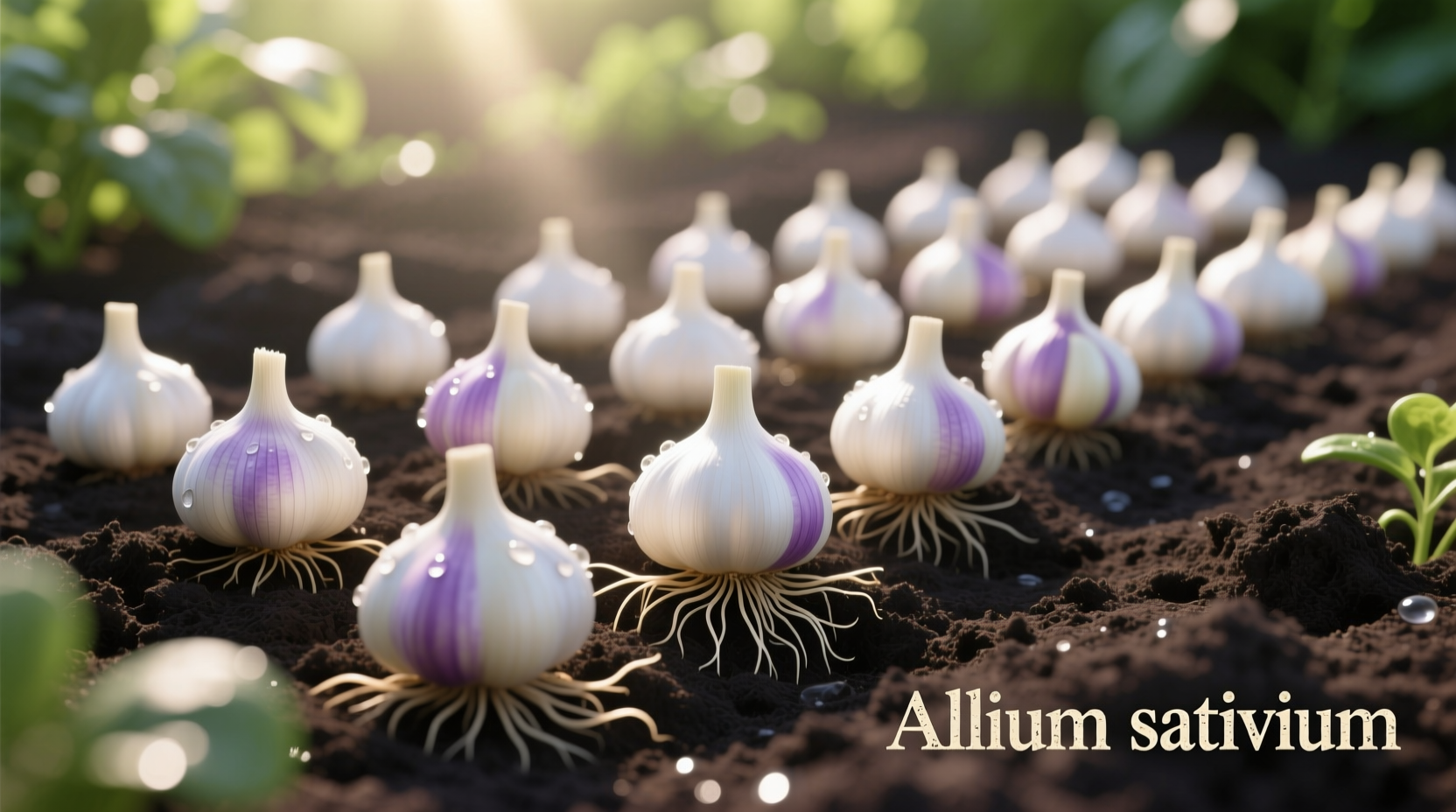
Preparing Your Soil and Planting Garlic Bulbs
Successful garlic cultivation starts with proper soil preparation. Garlic growing bulbs demand well-draining soil rich in organic matter with a pH between 6.0 and 7.5. Heavy clay soils increase rot risk, while sandy soils may require additional organic amendments to retain moisture and nutrients.
Two weeks before planting, prepare your bed by:
- Removing all weeds and plant debris
- Amending soil with 2-3 inches of compost or well-rotted manure
- Adding balanced organic fertilizer (5-10-10) according to package directions
- Loosening soil to 12-inch depth without disturbing underlying structure
When planting garlic growing bulbs, follow these precise steps:
- Separate bulb cloves 1-2 days before planting (keep papery husk intact)
- Place cloves with pointed end up, flat root end down
- Plant at 2-inch depth in heavy soils, 4 inches in lighter soils
- Space cloves 4-6 inches apart in rows 12-18 inches apart
- Cover with soil and apply 3-6 inches of organic mulch (straw or leaves)
Research from Cornell University's College of Agriculture and Life Sciences confirms that proper planting depth significantly impacts bulb development. Cloves planted too shallowly risk frost heaving and inconsistent growth, while overly deep planting can delay emergence and reduce final bulb size.
Seasonal Care for Thriving Garlic Plants
After planting your garlic growing bulbs, consistent care throughout the growing season ensures optimal development. During winter, the mulch layer protects cloves from temperature fluctuations and prevents premature sprouting.
As spring arrives, focus on these critical care practices:
- Watering: Provide 1 inch of water weekly during active growth (April-May), reducing irrigation 2-3 weeks before harvest
- Fertilizing: Apply nitrogen-rich fertilizer when shoots reach 6 inches tall, then again in early spring
- Scaping: For hardneck varieties, remove scapes when they form their first loop to redirect energy to bulb development
- Weed control: Hand-pull weeds carefully to avoid damaging shallow roots
Watch for these common garlic growing challenges and their solutions:
- Yellowing leaves: Could indicate overwatering or nitrogen deficiency
- White mold: Improve air circulation and avoid overhead watering
- Small bulbs: Often results from late planting or insufficient nutrients
- Poor sprouting: May indicate damaged cloves or improper storage before planting
Harvesting and Storing Your Garlic Crop
Timing your garlic harvest correctly makes the difference between perfect bulbs and disappointing results. Begin checking for harvest readiness in late spring or early summer when approximately one-third of the leaves have turned brown while two-thirds remain green.
To harvest garlic growing bulbs properly:
- Stop watering 2-3 weeks before expected harvest
- Loosen soil around plants with a garden fork
- Carefully lift entire plants from soil
- Air-dry bulbs in a shaded, well-ventilated area for 2-3 weeks
- Cut roots to ¼ inch and trim stems to 1-2 inches after curing
Properly cured garlic stores best at 55-65°F with 50-60% humidity. Under ideal conditions, hardneck varieties last 4-6 months while softnecks can remain viable for 9-12 months. Never store garlic in refrigerators or airtight containers, as this promotes sprouting and mold.
Troubleshooting Common Garlic Growing Problems
Even experienced gardeners encounter challenges when growing garlic. Understanding these common issues helps you respond effectively:
Small bulb development: This typically results from late planting, overcrowding, or nutrient deficiencies. Ensure proper spacing (4-6 inches between plants) and amend soil with compost before planting. Planting at the correct seasonal timing remains the most critical factor for maximizing bulb size.
Mold or rot issues: Excess moisture causes most fungal problems. Improve drainage by planting in raised beds if you have heavy soil. Rotate garlic planting locations every 3-4 years to prevent soil-borne disease buildup. The University of California Cooperative Extension recommends avoiding overhead watering once plants reach 6 inches tall.
Failed sprouting: If your garlic growing bulbs fail to sprout, check whether you used chemically treated grocery store garlic. Always source planting stock from reputable seed suppliers or save your own from previous harvests. Planting depth also affects emergence—cloves planted too deeply may struggle to reach the surface.




 浙公网安备
33010002000092号
浙公网安备
33010002000092号 浙B2-20120091-4