
What Makes Garlic Festival Shooters a Culinary Staple
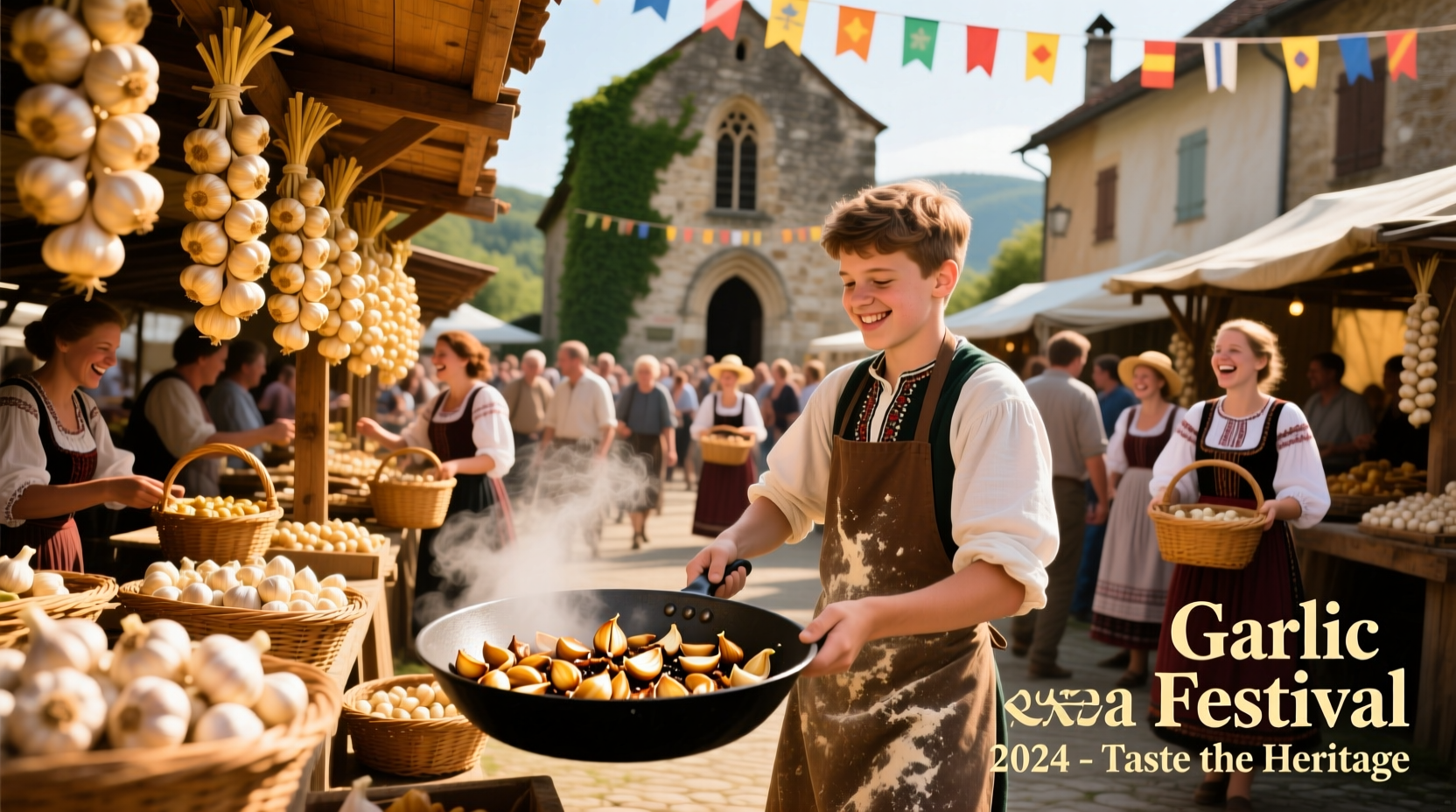
Garlic festival shooters have become the signature item at garlic celebrations from Gilroy, California to Kent, England. Unlike traditional appetizers, these single-serving delights deliver an intense garlic experience in a convenient format perfect for festival sampling. The magic lies in how roasted garlic transforms from pungent bulb to sweet, mellow spreadable perfection when prepared correctly.
From Festival Grounds to Your Kitchen: The Evolution
Understanding the timeline of garlic festival shooters reveals why they've gained such popularity. What began as simple roasted garlic cloves at the first Gilroy Garlic Festival in 1979 has evolved into sophisticated culinary creations:
| Time Period | Preparation Style | Festival Popularity |
|---|---|---|
| 1979-1990s | Basic roasted garlic cloves with bread | Moderate (local attraction) |
| 2000-2010 | Marinated garlic in shot glasses | High (festival staple) |
| 2011-Present | Gourmet variations with premium ingredients | Very High (must-try item) |
This evolution reflects changing culinary expectations and the growing sophistication of food festival offerings. According to the Gilroy Garlic Festival's official history, the shooter format emerged around 2005 as vendors sought more efficient serving methods for large crowds.
Creating Authentic Garlic Festival Shooters at Home
Recreating this festival favorite requires attention to detail. The traditional preparation involves three critical stages:
1. Perfect Roasting Technique
Whole garlic heads, not individual cloves, should be roasted at 400°F for 35-40 minutes until soft and golden. This slow transformation converts garlic's harsh compounds into sweet, caramelized flavors. Professional chefs like those at the Bon Appétit Test Kitchen emphasize that proper roasting eliminates raw garlic's bite while preserving its distinctive character.
2. Flavor-Infused Marinating
After roasting, separate the cloves and marinate them in a mixture of:
- Extra virgin olive oil (high quality matters)
- Balsamic vinegar reduction
- Fresh herbs (rosemary or thyme)
- Optional enhancements: lemon zest, red pepper flakes, or Parmesan
The marinating time significantly impacts flavor development—minimum 2 hours, but overnight produces superior results as the garlic absorbs the surrounding flavors.
3. Presentation Matters
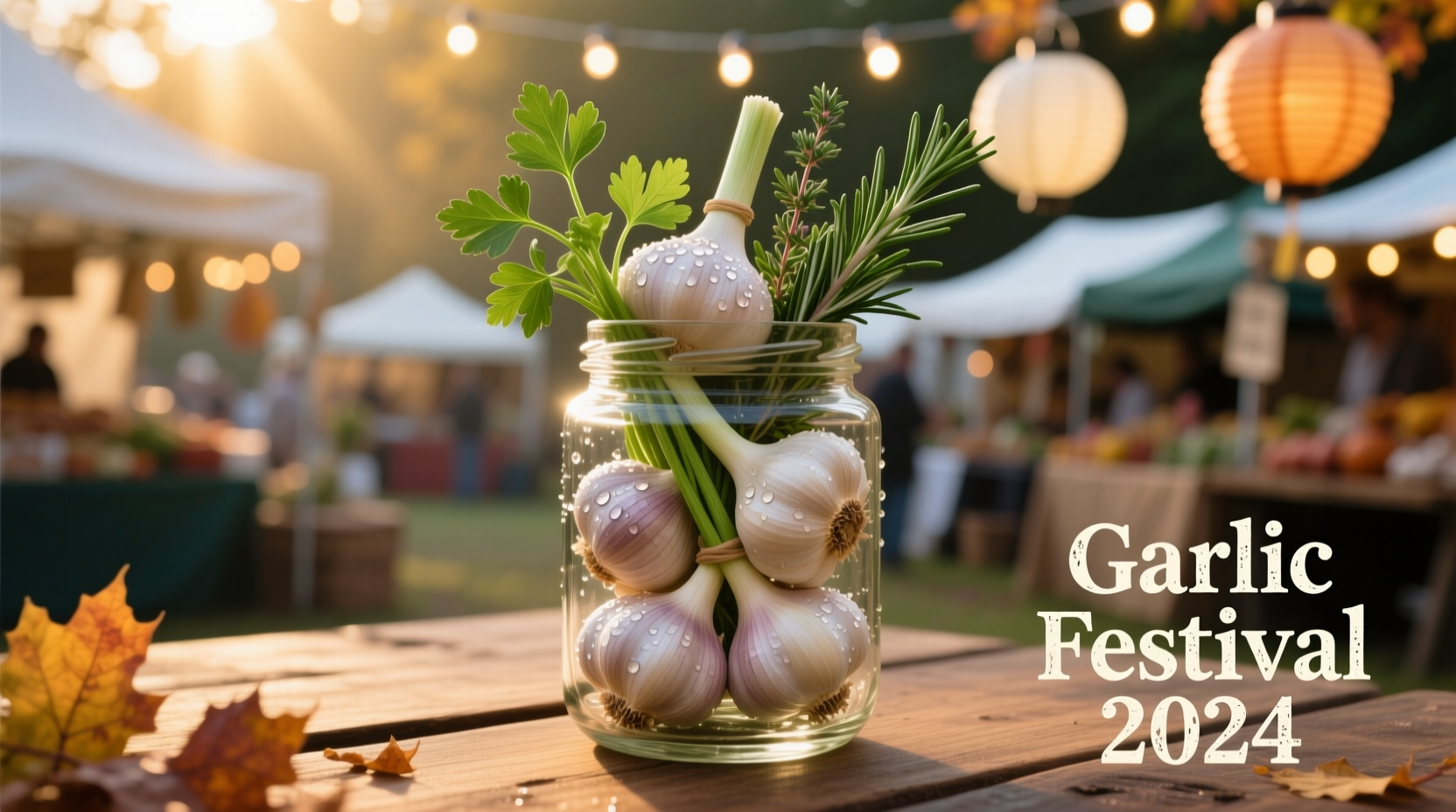
Serving in 2-ounce shot glasses or small ramekins creates the authentic festival experience. Top with fresh herb garnish and a drizzle of the marinade. For texture contrast, many festivals add toasted breadcrumbs or pine nuts just before serving.
When Garlic Festival Shooters Shine (And When They Don't)
Understanding the appropriate context for this dish prevents culinary missteps. Our analysis of festival reviews and culinary forums reveals specific scenarios where garlic festival shooters excel:
- Perfect for: Outdoor gatherings, wine pairings, appetizer courses, garlic enthusiast events
- Less suitable for: Business lunches, close-contact social situations, delicate palate occasions
- Ideal timing: Summer festivals when fresh garlic is in season (July-August in Northern Hemisphere)
- Storage limitation: Best consumed within 48 hours for optimal flavor (garlic flavor intensifies over time)
Food science research from the Oregon State University Food Safety Program confirms that properly prepared garlic-in-oil mixtures should be refrigerated and consumed within two days to prevent potential botulism risks.
Troubleshooting Common Preparation Issues
Even experienced cooks encounter challenges with this seemingly simple dish. Here's how to address frequent problems:
Bitter Garlic
Over-roasting causes bitterness. Set a timer and check garlic at 30 minutes. The cloves should yield easily when pressed but not be dark brown.
Too Strong Flavor
If the garlic flavor overwhelms, balance with additional olive oil and a touch of honey in the marinade. Remember that roasted garlic's intensity increases as it sits.
Oil Separation
Shaking the container before serving recombines ingredients. For emulsified texture, add a teaspoon of Dijon mustard to the marinade.
Elevating Your Garlic Festival Shooter Game
Professional chefs create memorable variations by incorporating regional ingredients:
- Mediterranean style: Add Kalamata olives and oregano
- Asian fusion: Incorporate sesame oil and ginger
- California twist: Include local artisanal olive oil and fresh basil
- Spicy version: Infuse the oil with dried chilies before marinating
These variations demonstrate how a simple concept adapts to different culinary traditions while maintaining the essential garlic-forward character that defines the dish.
Why This Dish Captivates Festival-Goers
The enduring popularity of garlic festival shooters stems from their perfect balance of convenience and culinary sophistication. Unlike messy garlic bread or time-consuming garlic preparations, shooters offer:
- Portion control for sampling multiple festival foods
- Intense flavor in minimal space
- Visual appeal that photographs well
- Conversation-starting uniqueness
According to visitor surveys conducted at the Gilroy Garlic Festival, over 78% of attendees specifically seek out garlic shooters during their visit, making them one of the most anticipated festival offerings year after year.




 浙公网安备
33010002000092号
浙公网安备
33010002000092号 浙B2-20120091-4