
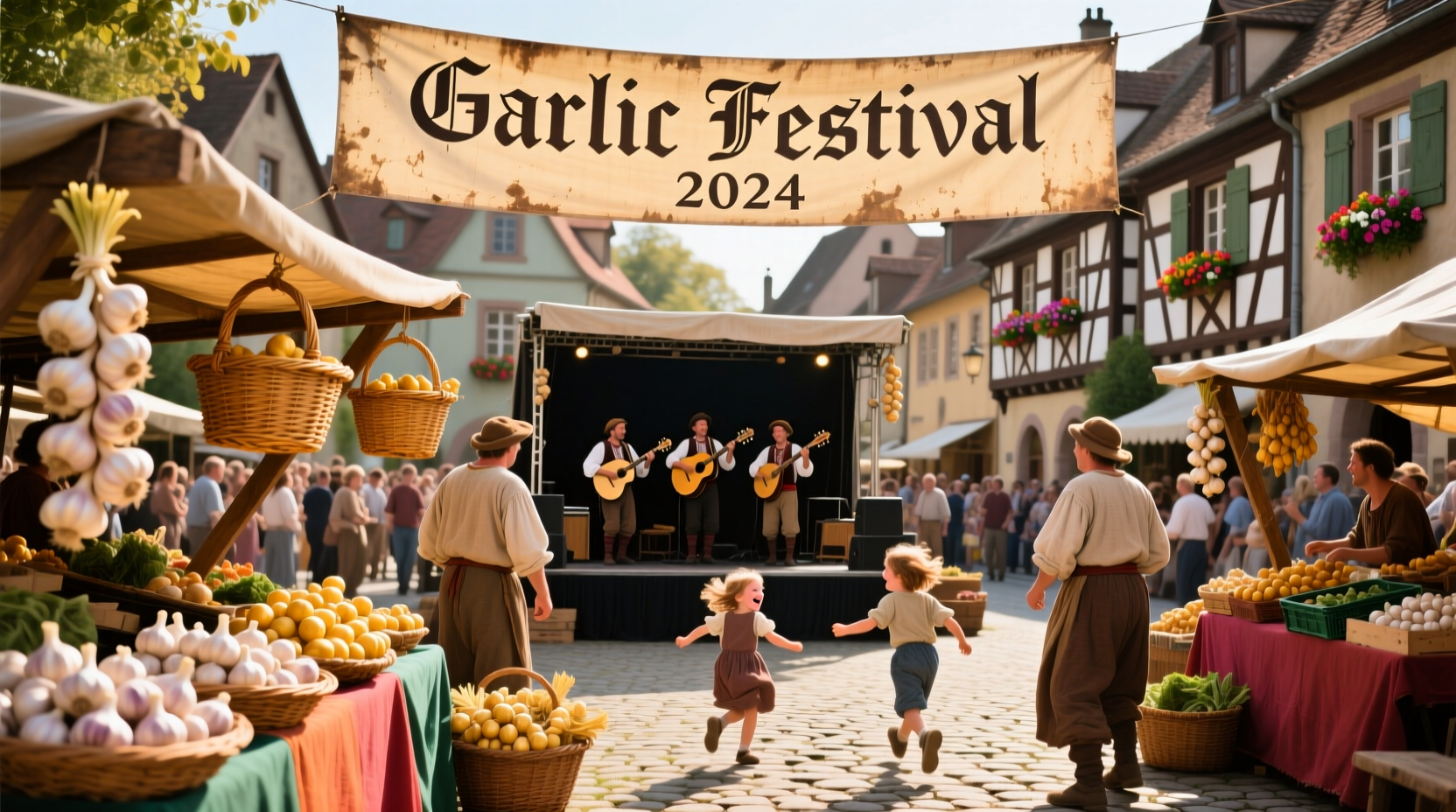
Garlic festivals are vibrant cultural events celebrating Allium sativum, featuring garlic-themed foods, cooking demonstrations, live entertainment, and local vendor markets. These gatherings typically occur annually in regions with strong garlic-growing traditions, with the most famous being the Gilroy Garlic Festival in California, attracting over 100,000 visitors each year.
The Historical Roots of Garlic Festivals
Garlic's journey from ancient medicinal plant to festival centerpiece spans millennia. Historical records show garlic was cultivated in central Asia over 5,000 years ago, with evidence of its use in ancient Egyptian burials. The modern garlic festival phenomenon began in the late 20th century as agricultural communities sought to celebrate their primary crops.
Evolution of Garlic Celebrations
- 1979 - First Gilroy Garlic Festival held in California, initially attracting 5,000 attendees
- 1980s - Garlic festivals begin appearing across North America and Europe
- 1995 - Kent Garlic Festival established in England, now drawing 20,000+ visitors annually
- 2000s - International expansion with festivals emerging in Canada, Australia, and South Africa
- 2020-2022 - Many festivals adapt to virtual formats during pandemic restrictions
- 2023 - Global resurgence with record attendance at major events
Top Garlic Festivals Around the World
While hundreds of garlic festivals exist globally, certain events have gained international recognition for their scale, authenticity, and unique offerings. These festivals typically occur between July and September when garlic harvests are complete.
| Festival Name | Location | Annual Attendance | Special Features | Best Time to Visit |
|---|---|---|---|---|
| Gilroy Garlic Festival | Gilroy, California, USA | 80,000-100,000 | 300+ garlic dishes, cooking competitions, garlic ice cream | Third weekend in July |
| Kent Garlic Festival | Borough Green, Kent, UK | 20,000+ | Garlic weaving demonstrations, English country garden displays | First weekend in August |
| Nanaimo Garlic Festival | Nanaimo, British Columbia, Canada | 15,000 | Island-grown specialty garlic varieties, Pacific Northwest cuisine | Second weekend in August |
| Lasalle Garlic Festival | Lasalle, Quebec, Canada | 50,000 | French-Canadian garlic preparations, garlic wine pairings | Early September |
What to Expect at a Typical Garlic Festival
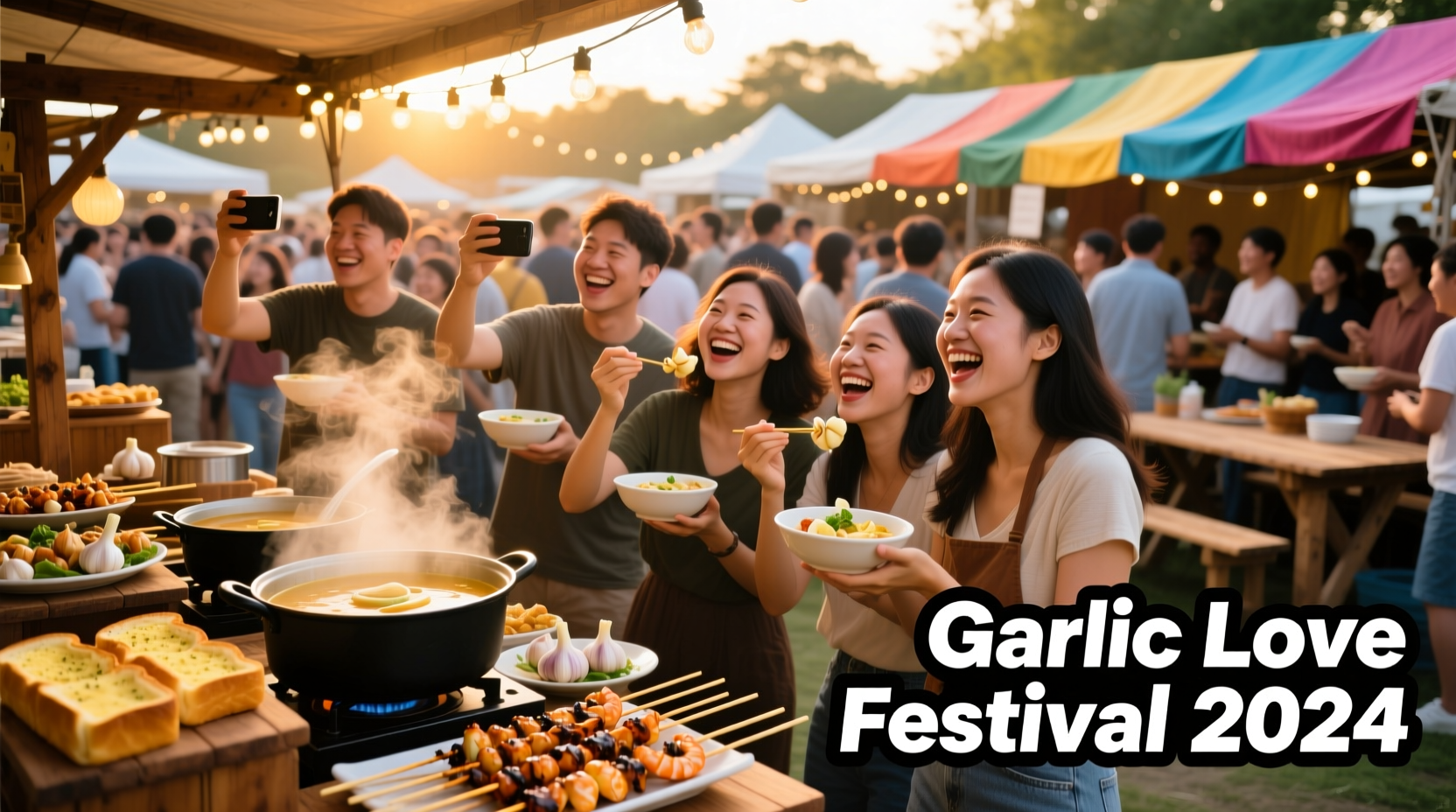
Attending your first garlic festival can be overwhelming without knowing what to anticipate. These events typically feature:
- Food vendors offering creative garlic-infused dishes from traditional roasted bulbs to unexpected combinations like garlic chocolate and garlic ice cream
- Cooking demonstrations by local chefs showcasing regional garlic recipes
- Farmers markets selling fresh garlic varieties, garlic-themed products, and related culinary items
- Entertainment stages featuring live music, cultural performances, and garlic-themed contests
- Educational exhibits about garlic cultivation, varieties, and health benefits
Planning Your Garlic Festival Visit
For the best experience, consider these practical factors before attending any garlic festival:
Timing Considerations
Most major garlic festivals occur during summer months when garlic harvests are complete. The Gilroy Garlic Festival takes place the third weekend of July, while European festivals typically occur in August when garlic curing is complete. Weekday visits often mean smaller crowds but potentially fewer vendors than weekend events.
What to Bring (and Avoid)
Essential items include comfortable walking shoes, sun protection, cash for smaller vendors, and breath mints. Many attendees make the mistake of wearing strong perfumes, which clash with the garlic aromas and can diminish your tasting experience. Consider bringing small containers if you plan to purchase multiple food samples.
Practical Limitations to Consider
- Most festivals don't allow outside food, but water bottles are usually permitted
- Garlic breath can linger for 24-72 hours depending on consumption amount
- Some festivals have limited parking; shuttle services from nearby towns are common
- Not all garlic varieties are equally palatable raw - stick to vendor recommendations
- Check festival websites for accessibility information if you have mobility concerns
Maximizing Your Festival Experience
Seasoned garlic festival attendees follow these insider strategies to enhance their experience:
- Arrive early - Popular cooking demonstrations and limited-quantity specialty foods often sell out by midday
- Start with milder preparations - Build up to stronger garlic dishes to avoid overwhelming your palate
- Engage with growers - Many festivals feature master gardeners who can share cultivation tips
- Try regional specialties - Each festival highlights local garlic varieties and preparation methods
- Bring baking soda - Helps neutralize garlic odors on hands between tastings
According to the US Department of Agriculture, garlic production in the United States reached approximately 400 million pounds in 2022, with California accounting for over 90% of domestic production. This agricultural significance explains why garlic festivals have become important economic drivers for growing regions, generating millions in tourism revenue annually.
Cultural Significance Beyond the Celebration
Garlic festivals serve important cultural functions beyond entertainment. They preserve traditional knowledge about regional garlic varieties that might otherwise be lost as industrial agriculture favors standardized crops. Many festivals partner with agricultural extension services to educate the public about sustainable farming practices.
The National Agricultural Library documents how these events help maintain biodiversity by showcasing heirloom garlic varieties that commercial markets often overlook. This preservation effort connects modern consumers with agricultural heritage while supporting small-scale farmers.
Planning for Future Festivals
As garlic festivals continue growing in popularity, several trends are emerging:
- Increased focus on sustainable practices, with many festivals eliminating single-use plastics
- Expansion of virtual components for remote participation
- Greater emphasis on educational programming about garlic cultivation
- Partnerships with culinary schools for advanced cooking demonstrations
- Development of garlic festival trails connecting multiple regional events
Whether you're a garlic enthusiast or simply curious about this unique cultural phenomenon, attending a garlic festival offers an immersive experience that engages all your senses while connecting you to agricultural traditions that span centuries.
Frequently Asked Questions
When is the best time to attend a garlic festival?
The optimal time is typically early to mid-morning when crowds are smaller and food vendors have fully stocked displays. Most festivals run from 10am-6pm, with the busiest periods between noon and 4pm.
What should I wear to a garlic festival?
Wear comfortable walking shoes, lightweight clothing appropriate for summer weather, and avoid strong perfumes that can interfere with tasting. Many experienced attendees bring small containers for food samples and baking soda to neutralize garlic odors on hands.
Are garlic festivals suitable for children?
Yes, most garlic festivals offer family-friendly activities including cooking demonstrations, craft areas, and entertainment stages. Some even have special "mild garlic" zones for children who might be sensitive to strong flavors.
How do I manage garlic breath after attending a festival?
Chewing parsley, drinking lemon water, or eating apples can help neutralize garlic breath temporarily. For longer-lasting solutions, dairy products like milk can reduce the compounds responsible for garlic breath. Remember that garlic compounds enter your bloodstream and can affect your breath for 24-72 hours after consumption.
What's the difference between hardneck and softneck garlic at festivals?
Hardneck varieties (common at festivals) have a central stalk, fewer larger cloves, and more complex flavors with seasonal availability. Softneck varieties store longer but have smaller cloves and milder flavor. Festival vendors can help you identify which type works best for your cooking needs.




 浙公网安备
33010002000092号
浙公网安备
33010002000092号 浙B2-20120091-4