
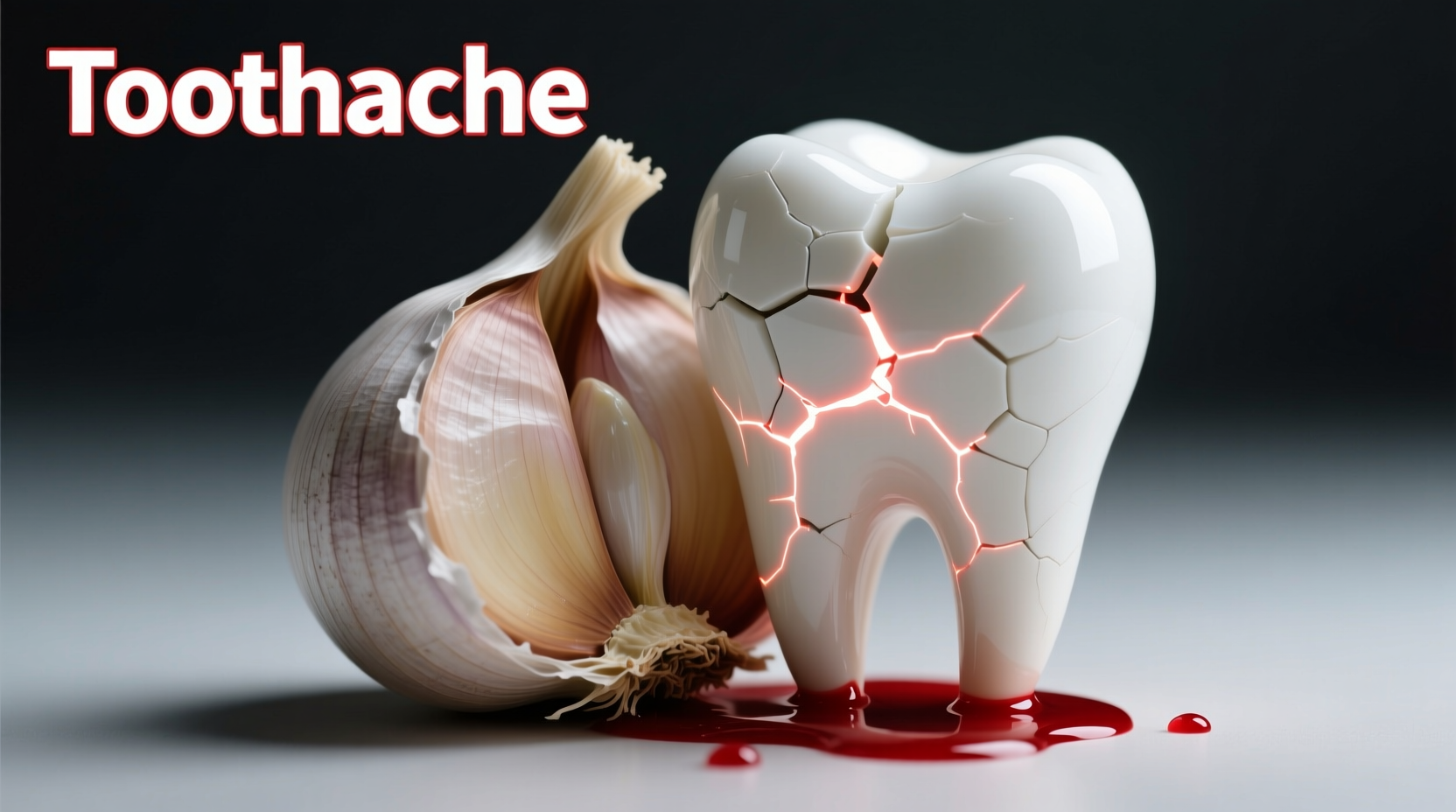
Garlic contains allicin, a compound with antimicrobial properties that may provide temporary tooth pain relief by reducing bacteria and inflammation. However, scientific evidence is limited, and garlic should never replace professional dental care for infections or serious pain. Improper application can cause chemical burns to sensitive oral tissues.
When tooth pain strikes unexpectedly, many turn to kitchen staples for quick relief. As a culinary historian specializing in traditional remedies, I've researched how cultures worldwide have used garlic for dental discomfort for centuries. While modern dentistry offers more reliable solutions, understanding the proper application of this kitchen remedy can provide temporary comfort until you see a professional.
How Garlic Works for Tooth Pain
Garlic's potential pain-relieving properties come from allicin, released when cloves are crushed. This sulfur compound demonstrates antimicrobial effects against oral pathogens according to the National Center for Complementary and Integrative Health. When applied correctly, garlic may reduce bacterial load in affected areas, potentially decreasing inflammation that contributes to tooth pain.
However, it's crucial to understand garlic's limitations. Unlike prescribed dental treatments, garlic doesn't address the underlying cause of tooth pain—whether decay, infection, or nerve exposure. The American Dental Association emphasizes that home remedies provide only temporary relief and should never delay professional evaluation.
Safe Application Method: Step-by-Step
For those seeking temporary relief while awaiting dental care, follow this evidence-based approach:
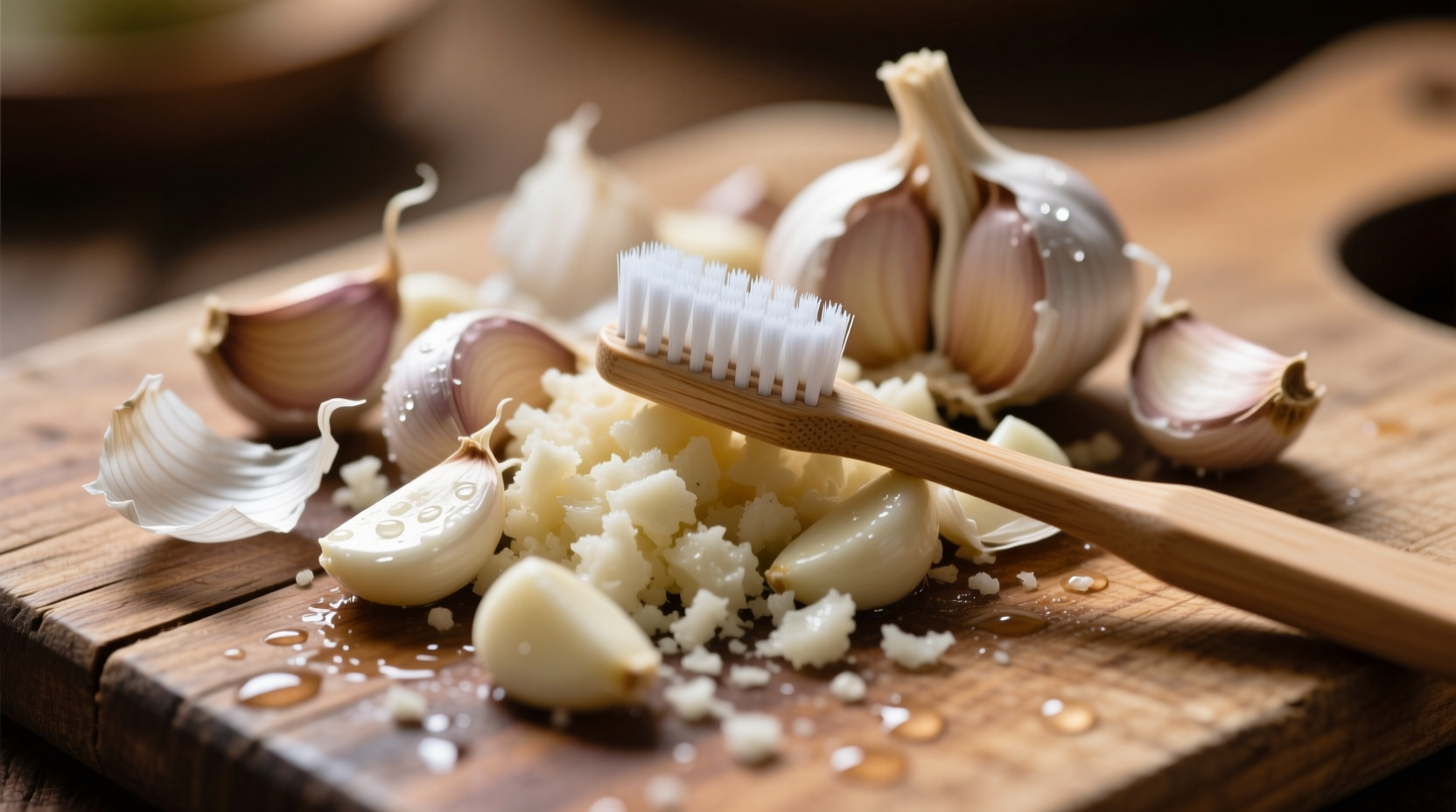
- Peel and crush one fresh garlic clove to activate allicin
- Mix with a small amount of olive oil (1:2 ratio) to reduce tissue irritation
- Apply the paste ONLY to the affected tooth surface using a cotton swab
- Leave in place for no more than 10-15 minutes
- Rinse thoroughly with warm salt water
- Repeat no more than twice daily until you can see a dentist
Never place raw garlic directly against gums or inside cavities—this concentrated application can cause chemical burns. A 2019 case study published in Dental Research Journal documented significant tissue damage from prolonged direct garlic application.
| Home Remedy | Temporary Relief Duration | Scientific Support | Risk Level |
|---|---|---|---|
| Garlic paste (properly diluted) | 30-60 minutes | Limited | Moderate |
| Clove oil | 60-90 minutes | Moderate | Low |
| Cold compress | 20-30 minutes | Strong | Very Low |
| Over-the-counter pain relievers | 4-6 hours | Strong | Low (when used properly) |
Evidence Review: What Research Shows
A systematic review in Evidence-Based Complementary and Alternative Medicine examined traditional dental remedies, noting garlic's historical use but emphasizing the lack of robust clinical trials supporting its effectiveness for tooth pain. The review concluded that while garlic shows antimicrobial properties in laboratory settings, these effects don't necessarily translate to meaningful pain relief in human subjects.
Dental researchers at the University of Washington found that while garlic extract inhibited growth of certain oral bacteria in petri dishes, the concentration required would be unsafe for direct oral application. This explains why properly diluted applications provide only marginal, temporary relief at best.
When Garlic Becomes Dangerous
Many online sources recommend placing raw garlic directly on painful teeth—a practice that can cause significant harm. Garlic's caustic properties can lead to:
- Chemical burns on gums and cheek tissue
- Increased inflammation worsening pain
- Delayed healing of existing oral wounds
- Potential interactions with blood-thinning medications
The National Institutes of Health warns that topical garlic applications can cause dermatitis and tissue damage, particularly in sensitive oral mucosa. If you experience burning, blistering, or increased pain after garlic application, rinse thoroughly and discontinue use immediately.
When to See a Dentist Immediately
Garlic remedies should never replace professional dental care. Contact your dentist promptly if you experience:
- Pain lasting more than 48 hours
- Swelling in face or gums
- Fever accompanying tooth pain
- Pus or foul taste indicating infection
- Difficulty opening mouth or swallowing
These symptoms suggest serious conditions like abscesses that require antibiotics or dental procedures. The American Dental Association reports that untreated dental infections can spread to other body systems, creating life-threatening complications.
Better Alternatives for Temporary Relief
While waiting for your dental appointment, these safer methods provide more reliable temporary relief:
- Cold compress: Apply to cheek for 15 minutes on, 15 minutes off
- Over-the-counter pain relievers: Ibuprofen reduces both pain and inflammation
- Warm salt water rinses: 1/2 teaspoon salt in 8oz warm water, swish gently
- Clove oil: Dilute with carrier oil and apply sparingly to affected area
Historical Context of Garlic in Dental Care
Throughout history, various cultures have incorporated garlic into dental care routines:
- Ancient Egypt (c. 1550 BCE): Ebers Papyrus documents garlic use for toothaches
- Ancient Greece (c. 400 BCE): Hippocrates recommended garlic for dental infections
- Traditional Chinese Medicine: Used in combination with other herbs for oral health
- Medieval Europe: Included in "tooth powders" for pain relief
While these historical applications show garlic's longstanding role in folk medicine, modern dental science provides more effective, evidence-based treatments. Understanding this historical context helps explain why the remedy persists despite limited scientific support.
Practical Recommendations
Based on current evidence and historical understanding, here's my professional guidance:
- Use garlic only as a temporary measure while scheduling dental care
- Always dilute garlic with oil before application
- Never leave garlic on teeth longer than 15 minutes
- Combine with safer methods like cold compresses for better relief
- Document your symptoms to share with your dentist
Remember that tooth pain is your body's warning signal. Ignoring it while relying solely on home remedies can lead to more serious complications requiring extensive (and expensive) treatment later.




 浙公网安备
33010002000092号
浙公网安备
33010002000092号 浙B2-20120091-4