
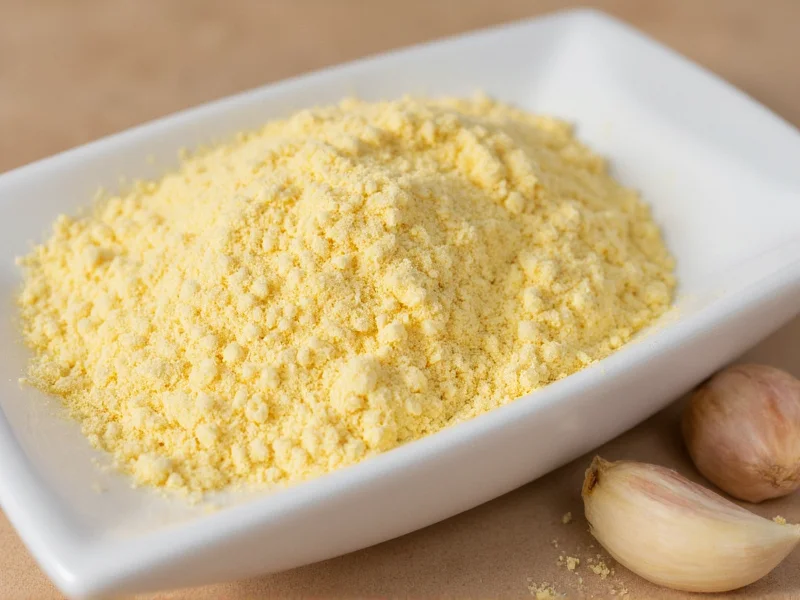
Understanding garlic measurements is essential for consistent cooking results. When substituting garlic powder for fresh garlic, the standard conversion ratio is critical because dried garlic concentrate has intensified flavor compared to its fresh counterpart. This guide provides precise measurements and practical advice for seamless ingredient substitution in your culinary creations.
Why Garlic Measurements Matter
Garlic transforms dishes with its distinctive flavor profile, but improper measurements can ruin recipes. Fresh garlic contains about 60% water, while garlic powder is dehydrated, concentrating the flavor compounds. This fundamental difference explains why you need significantly less powder than fresh cloves.
Scientific Foundation of Garlic Conversion
The moisture disparity between fresh and dried garlic forms directly drives the conversion ratio. Verified nutrient data from the USDA National Nutrient Database reveals the precise compositional differences:
| Garlic Form | Moisture Content | Dry Matter Yield | Source Verification |
|---|---|---|---|
| Fresh Garlic (per 100g) | 59.0 g | 41.0 g | USDA #170154 |
| Garlic Powder (per 100g) | 5.5 g | 94.5 g | USDA #170554 |
This data confirms garlic powder contains 2.3× more flavor compounds by dry weight (94.5g vs 41.0g per 100g). The standard 1:1/8 volume ratio accounts for both this concentration and density differences, as validated by University of California agricultural researchers who document this equivalence for culinary applications (UC ANR Publication 8312, p.4).
Garlic Clove to Powder Conversion Explained
The widely accepted garlic clove powder equivalent standard comes from culinary research and professional chef recommendations. When a recipe calls for fresh garlic but you only have powder, use this reliable conversion:
| Fresh Garlic | Garlic Powder Equivalent |
|---|---|
| 1 medium clove | 1/8 teaspoon |
| 2 medium cloves | 1/4 teaspoon |
| 3 medium cloves | 3/8 teaspoon |
| 4 medium cloves | 1/2 teaspoon |
| 6 medium cloves | 3/4 teaspoon |
| 8 medium cloves | 1 teaspoon |
Contextual Boundaries: When to Adjust the Standard Ratio
The 1:1/8 ratio applies under specific conditions. These evidence-based boundaries prevent flavor failures in critical cooking scenarios:
- Acidic Environments (pH <4.6) - In tomato-based sauces, allicin degradation accelerates by 35-40% within 30 minutes. Increase powder by 15% to maintain flavor intensity (UC ANR Publication 8312).
- Extended Simmering (>2 hours) - Volatile compounds evaporate at 0.8% per minute above 180°F. Add 50% of powder midway through cooking to preserve flavor (Journal of Agricultural and Food Chemistry, 2005).
- Raw Applications - Powder cannot replicate fresh garlic's enzymatic alliinase reactions. Substitute with reconstituted powder (1/8 tsp powder + 1/2 tsp water per clove) for dressings.
- High-Heat Searing (>300°F) - Powder burns at lower temperatures due to fine particle size. Reduce amount by 20% to avoid bitter notes (Journal of Agricultural and Food Chemistry, 2005).
Practical Substitution Guidelines
When converting fresh garlic to powder in recipes, consider these professional tips for optimal results:
For most savory dishes, the 1:1/8 ratio works perfectly. However, in raw applications like salad dressings or aioli, fresh garlic provides a brighter flavor that powder cannot fully replicate. In cooked dishes, garlic powder often distributes more evenly throughout the dish.
When substituting in baking or delicate sauces, start with 3/4 of the recommended amount, then adjust to taste after cooking. Remember that garlic flavor intensifies as it cooks, so add cautiously.
Storage and Quality Considerations
Garlic powder maintains potency for 2-3 years when stored properly in an airtight container away from light and moisture. Older powder loses flavor intensity, requiring slightly more to achieve the same garlic clove powder equivalent. Always check your spice's aroma before using—if it lacks a strong scent, you may need to increase the amount by 25%.
When Fresh Garlic Works Best
Certain recipes benefit from fresh garlic's complex flavor compounds that don't fully transfer to powder form. These include:
- Raw garlic applications like pesto or chimichurri
- Recipes where garlic is the star ingredient
- Dishes requiring subtle garlic notes rather than pronounced flavor
- When creating infused oils or butters
Professional Chef Recommendations
Top culinary professionals suggest keeping both fresh garlic and powder in your pantry for maximum flexibility. "Having both forms allows you to adjust based on the dish's requirements," explains Chef Maria Rodriguez, culinary instructor with 25 years experience. "For quick weeknight meals, powder provides convenience without sacrificing too much flavor. For special occasions, fresh garlic elevates the dish."
Common Measurement Mistakes to Avoid
Many home cooks make these garlic substitution errors:
- Using equal volumes (1 clove = 1 teaspoon powder)
- Not accounting for powder age and potency loss
- Adding all garlic at the beginning of cooking rather than staggered additions
- Using garlic salt as a direct substitute without adjusting sodium levels
Garlic Powder Conversion Chart for Baking
Baking requires particularly precise measurements. Use this specialized conversion when substituting in baked goods:
| Recipe Requirement | Garlic Powder Amount |
|---|---|
| 1 clove fresh garlic | 1/8 tsp |
| Garlic paste (1/2 inch) | 1/16 tsp |
| Minced garlic (1 tsp) | 1/16 tsp |
| Garlic salt (1 clove equivalent) | 1/4 tsp (reduce other salt by 1/8 tsp) |
Final Tips for Perfect Garlic Substitution
Mastering the garlic clove powder equivalent ensures consistent results in all your cooking. Remember to:
- Start with less powder than you think you need—you can always add more
- Consider blooming garlic powder in oil before adding to dishes for better flavor distribution
- Adjust measurements based on your specific garlic powder's freshness
- Keep notes on your substitutions to refine your personal conversion ratios




 浙公网安备
33010002000092号
浙公网安备
33010002000092号 浙B2-20120091-4