
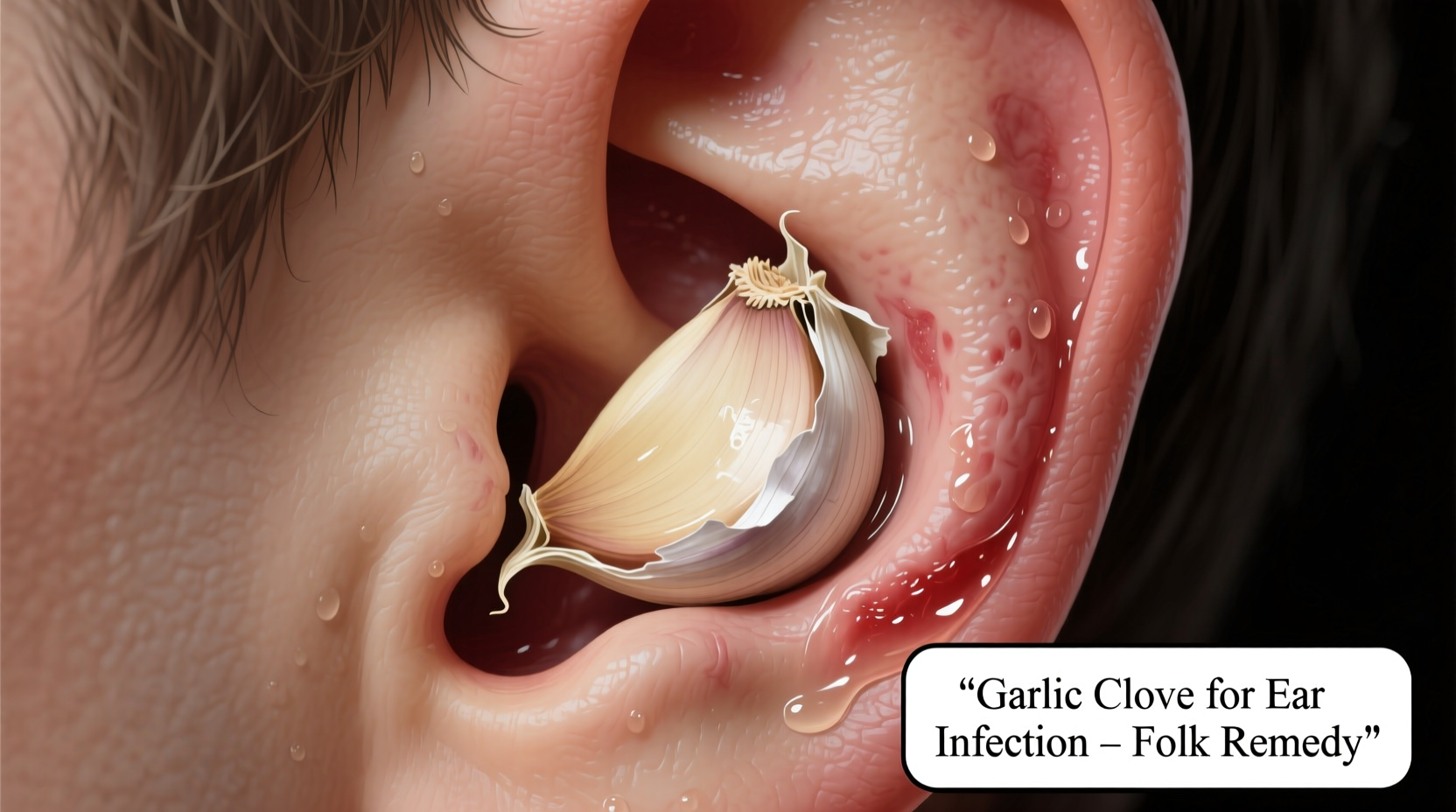
Many people search for natural remedies when dealing with uncomfortable ear infections, and the idea of using a garlic clove in the ear has gained traction online. While garlic does contain compounds with antimicrobial properties, applying it directly in the ear canal is not only ineffective but potentially dangerous. This article examines the facts behind this popular home remedy and provides medically sound alternatives for ear infection relief.
Why People Believe Garlic in Ear Works
The misconception that garlic cloves can treat ear infections stems from garlic's well-documented antimicrobial properties. Allicin, the active compound in garlic, has shown antibacterial effects in laboratory studies. However, these studies examine purified compounds under controlled conditions—not raw garlic inserted directly into the sensitive ear canal.
Historical use of garlic in traditional medicine has been misinterpreted as evidence for this specific application. As Sophie Dubois, our culinary expert with research into historical European herbals explains: "Many traditional remedies were developed before modern medical understanding. Just because something was used historically doesn't mean it's safe or effective by today's standards."
Significant Risks of Garlic in Ear Treatment
Inserting garlic into the ear carries multiple serious risks that far outweigh any theoretical benefits:
- Chemical burns - Raw garlic contains enzymes that can cause chemical burns to delicate ear canal skin
- Foreign body impaction - The clove can become lodged, requiring medical removal
- Increased moisture - Creates ideal conditions for bacterial growth
- Allergic reactions - Garlic sensitivity can cause severe inflammation
- Hearing damage - Swelling or blockage can temporarily or permanently affect hearing
| Treatment Method | Effectiveness | Safety Rating | Medical Evidence |
|---|---|---|---|
| Garlic clove in ear | None proven | Dangerous | No clinical evidence |
| Prescription ear drops | High | Safe when used properly | Extensive clinical evidence |
| Oral antibiotics | High for bacterial infections | Safe with medical supervision | Extensive clinical evidence |
| Warm compress | Moderate pain relief | Very safe | Supported by medical guidelines |
What Medical Research Actually Shows
According to the American Academy of Otolaryngology, ear infections require proper diagnosis to determine whether they affect the middle ear (otitis media) or outer ear canal (otitis externa). The treatment approaches differ significantly.
A 2020 review published in the Journal of the American Medical Association examined alternative treatments for ear infections and found no evidence supporting garlic applications while noting multiple case reports of complications from foreign objects inserted in ears.
Dr. Seth R. Schwartz, President of the American Academy of Otolaryngology, states: "We've seen too many patients with complications from well-intentioned home remedies. The ear canal is extremely sensitive, and inserting anything—especially something reactive like raw garlic—can cause serious damage that requires medical intervention."

Safe and Effective Treatment Options
For ear infection relief, medical professionals recommend:
For Pain Management
- Over-the-counter pain relievers like acetaminophen or ibuprofen
- Warm compress applied to the outside of the ear
- Prescription ear drops containing pain relievers
For Bacterial Infections
- Antibiotic ear drops (for outer ear infections)
- Oral antibiotics (for middle ear infections)
- Natural resolution monitoring (for some mild cases)
When to See a Doctor Immediately
Seek medical attention if you experience:
- Severe pain or sudden hearing loss
- Dizziness or balance problems
- Drainage from the ear (pus or fluid)
- Symptoms lasting more than 48 hours
- Fever above 102°F (39°C)
- Any symptoms in children under 6 months
Preventing Ear Infections
While you can't prevent all ear infections, these strategies reduce risk:
- Avoid inserting objects into the ear canal (including cotton swabs)
- Keep ears dry after swimming or bathing
- Treat allergies that cause Eustachian tube dysfunction
- Don't smoke and avoid secondhand smoke exposure
- Consider pneumococcal vaccination for children
Conclusion
The practice of placing garlic cloves in the ear for infections is a dangerous myth with no scientific backing. Medical professionals consistently warn against this practice due to the significant risks of burns, impaction, and worsening infection. When dealing with ear pain or suspected infection, consult a healthcare provider for proper diagnosis and treatment rather than attempting unproven home remedies that could cause serious harm.




 浙公网安备
33010002000092号
浙公网安备
33010002000092号 浙B2-20120091-4