
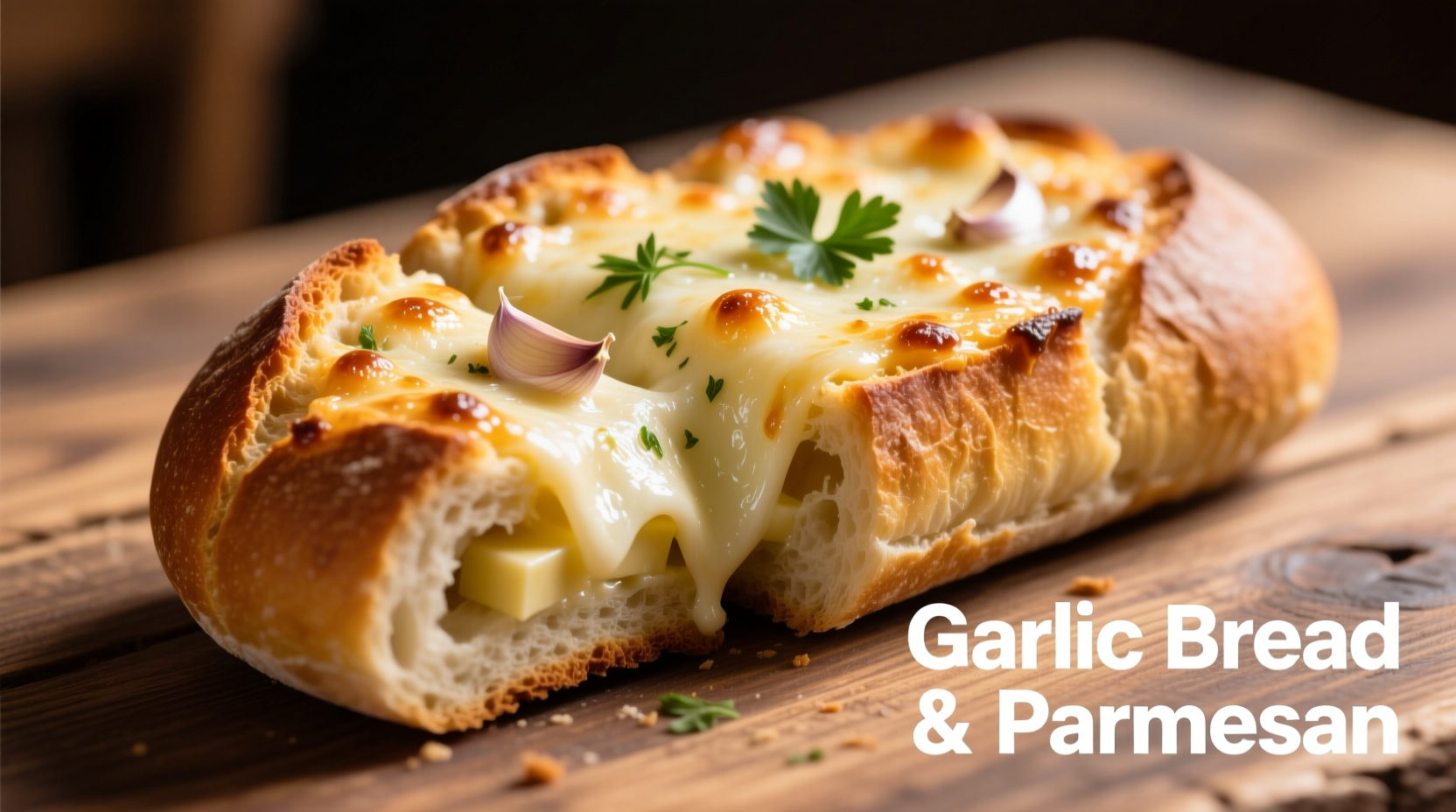
The perfect garlic bread with parmesan cheese combines freshly baked bread, aromatic garlic, and high-quality grated parmesan for a crispy, savory side dish that elevates any meal. This guide reveals the science-backed techniques professional chefs use to achieve golden-brown perfection with maximum flavor in every bite.
There's something magical about the combination of garlic and parmesan cheese on freshly baked bread. Unlike ordinary garlic bread, the addition of parmesan creates a complex flavor profile with umami depth and a delightfully crispy texture that transforms a simple side dish into a showstopper. Whether you're preparing a weeknight dinner or hosting a special gathering, mastering this culinary classic can significantly elevate your cooking repertoire.
The Science Behind Parmesan in Garlic Bread
Understanding why parmesan works so well in garlic bread begins with its unique chemical composition. Parmesan cheese contains high levels of glutamates—the same compounds responsible for umami flavor—which interact with garlic's allicin compounds to create a flavor synergy greater than the sum of its parts. According to research from the USDA Food Science Laboratory, aged cheeses like parmesan undergo proteolysis during aging, breaking down proteins into free amino acids that enhance savory flavors when heated.
When parmesan meets heat, the Maillard reaction creates those desirable golden-brown spots that add complex nutty notes. Unlike softer cheeses that might melt into a pool, parmesan's low moisture content (typically 30-32% according to USDA National Nutrient Database) allows it to crisp beautifully while maintaining its structure.
Cheese Selection: Why Parmesan Reigns Supreme
Not all parmesan is created equal. The difference between authentic Parmigiano-Reggiano and generic "parmesan" can make or break your garlic bread. Here's how they compare:
| Cheese Type | Aging Period | Texture | Flavor Profile | Best For Garlic Bread? |
|---|---|---|---|---|
| Parmigiano-Reggiano (DOP) | 12-36 months | Crystalline, granular | Nutty, complex, umami-rich | ★★★★★ |
| Domestic "Parmesan" | 4-10 months | Smoother, less complex | Milder, sometimes salty | ★★★☆☆ |
| Pecorino Romano | 5-8 months | Hard, crumbly | Sharp, tangy, salty | ★★★☆☆ |
| Asiago | 2-9 months | Semi-soft to hard | Nuttier when aged | ★★★☆☆ |
For authentic results, seek out Parmigiano-Reggiano with the DOP (Denominazione di Origine Protetta) seal, which guarantees it was produced in specific regions of Italy using traditional methods. The crystalline structure that develops during extended aging creates those delightful crunchy bits that make exceptional garlic bread.
Essential Ingredients Breakdown
The magic happens with just a few quality ingredients:
- Bread: A good baguette or ciabatta with a sturdy crust and open crumb structure
- Garlic: Fresh cloves (never powder) for that signature pungent aroma
- Parmesan: Finely grated Parmigiano-Reggiano (avoid pre-grated options with anti-caking agents)
- Butter: Unsalted, high-fat European-style for optimal browning
- Fresh herbs: Parsley or basil for color and freshness
Step-by-Step Preparation Guide
Follow these professional techniques for restaurant-quality results at home:
1. Bread Selection and Preparation
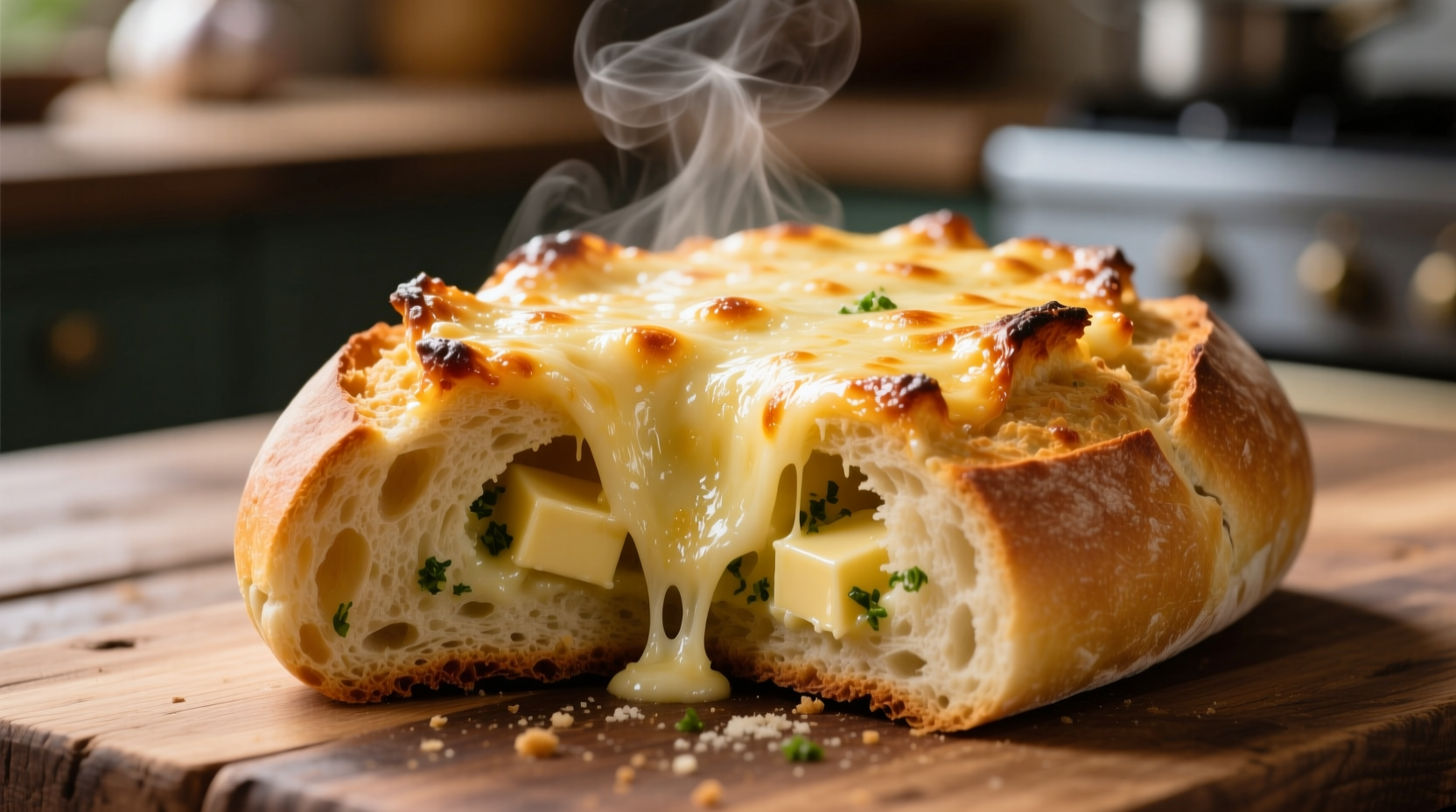
Choose bread that's slightly stale (day-old is perfect). Fresh bread contains too much moisture, which prevents proper crisping. Slice your baguette horizontally, but don't separate the halves completely—this creates a "hinge" that makes spreading easier while keeping the bread intact.
2. Garlic-Butter Infusion
The key to deep garlic flavor without raw bite: gently cook minced garlic in melted butter over low heat for 2-3 minutes until fragrant but not browned. This process, called "sweating," extracts garlic's essential oils while eliminating harsh compounds. According to culinary research from University of Illinois Extension, heating garlic to 140°F (60°C) optimally develops its flavor compounds without creating bitterness.
3. Cheese Application Technique
For maximum crispiness, use a two-stage cheese approach:
- Mix ¼ cup finely grated parmesan into your garlic butter
- Spread this mixture evenly on the bread
- Sprinkle an additional ⅓ cup grated parmesan on top
This dual application creates both infused flavor throughout and a beautifully browned, crispy top layer.
Avoiding Common Mistakes
Even experienced cooks make these critical errors that compromise results:
- Using pre-grated cheese: Contains cellulose that prevents proper melting and browning
- High oven temperature: Broiling creates burnt spots before the cheese properly melts (aim for 375°F/190°C)
- Insufficient resting time: Cutting too soon releases steam that softens the crust
- Overloading with butter: Creates greasy bread instead of crisp texture
Serving Suggestions and Variations
While classic garlic bread with parmesan stands beautifully on its own, consider these chef-approved variations:
- Truffle Parmesan: Add a few drops of white truffle oil to the garlic butter
- Herb-Infused: Mix fresh rosemary or thyme into the butter mixture
- Spicy Arrabbiata Style: Add red pepper flakes to the garlic butter
- Four-Cheese Blend: Combine parmesan with small amounts of pecorino, asiago, and fontina
For optimal enjoyment, serve immediately after baking when the crust is at peak crispness. Pair with tomato-based pasta dishes, soups, or as an accompaniment to grilled meats.
Storage and Reheating Tips
While garlic bread is best enjoyed fresh, leftovers can be revived properly:
- Store in an airtight container at room temperature for up to 24 hours
- Reheat in a 350°F (175°C) oven for 5-7 minutes (never microwave)
- For longer storage, freeze slices on a baking sheet, then transfer to freezer bags
- Revive frozen slices directly in a 400°F (200°C) oven for 8-10 minutes
According to food safety guidelines from the FDA Food Code, properly reheated garlic bread should reach an internal temperature of 165°F (74°C) to ensure safety while maintaining texture.
Frequently Asked Questions
Here are answers to common questions about making perfect garlic bread with parmesan cheese:




 浙公网安备
33010002000092号
浙公网安备
33010002000092号 浙B2-20120091-4