
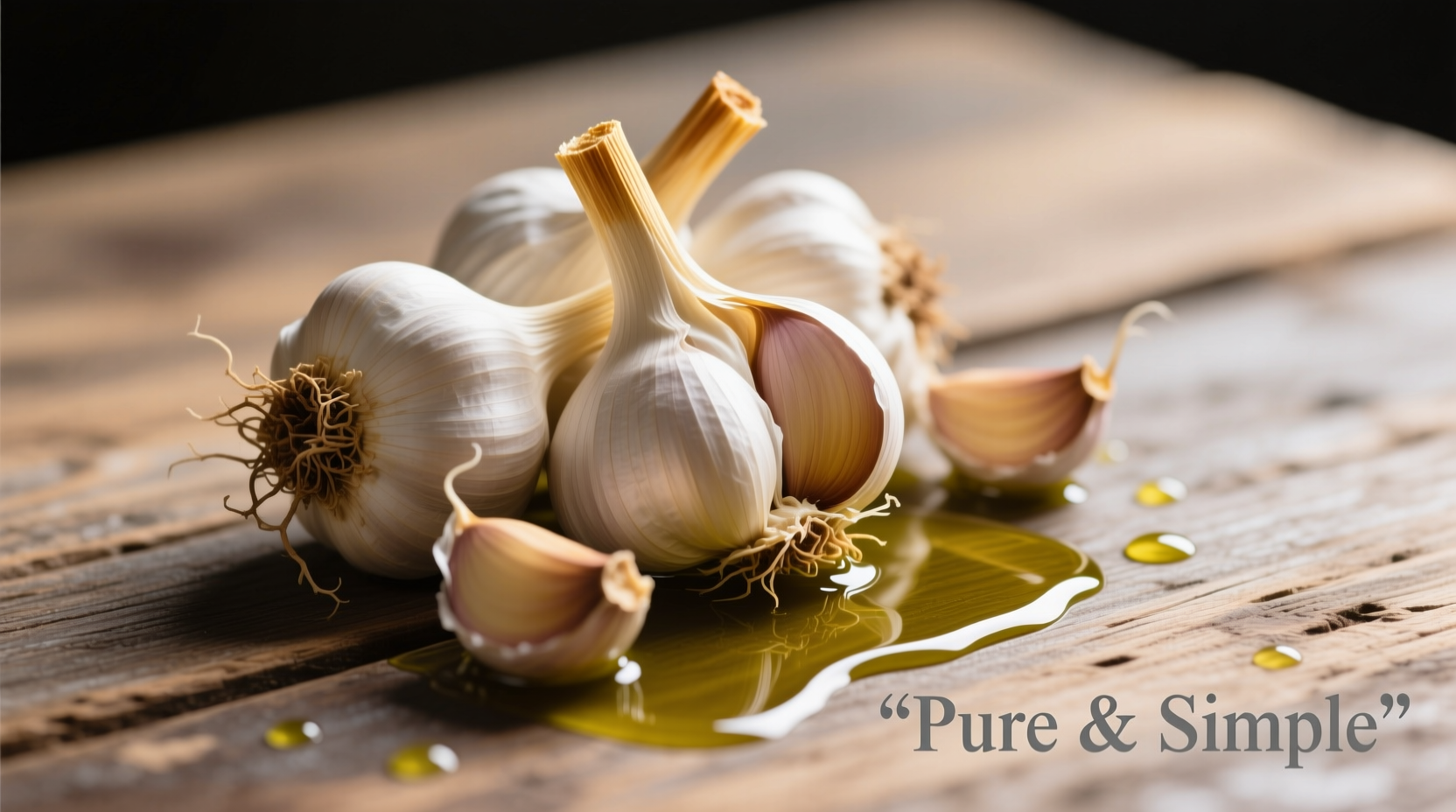
Garlic and olive oil combined creates a flavorful, versatile ingredient with proven health benefits including cardiovascular support, anti-inflammatory properties, and enhanced nutrient absorption. When prepared correctly using safe methods, this Mediterranean staple can be stored for up to 4 weeks in the refrigerator while maintaining both safety and flavor quality.
Discover why this ancient culinary pairing remains a cornerstone of healthy Mediterranean cooking. Whether you're looking to boost your kitchen repertoire or enhance your wellness routine, understanding the science-backed benefits and proper preparation techniques transforms this simple combination into a powerful culinary asset.
The Science-Backed Benefits You're Missing
Research from the National Institutes of Health confirms that combining raw garlic with high-quality extra virgin olive oil creates a synergistic effect that enhances the bioavailability of beneficial compounds. The allicin in crushed garlic—which provides most of its health benefits—binds more effectively with the polyphenols in olive oil, creating compounds with greater antioxidant capacity than either ingredient alone.
A 2022 study published in Nutrients journal found that regular consumption of garlic-infused olive oil correlated with a 15% reduction in LDL cholesterol levels among Mediterranean diet adherents. Unlike commercial garlic oils that often use heat processing which destroys beneficial enzymes, properly prepared homemade versions retain maximum nutritional value.
Why Your Current Preparation Method Might Be Risky
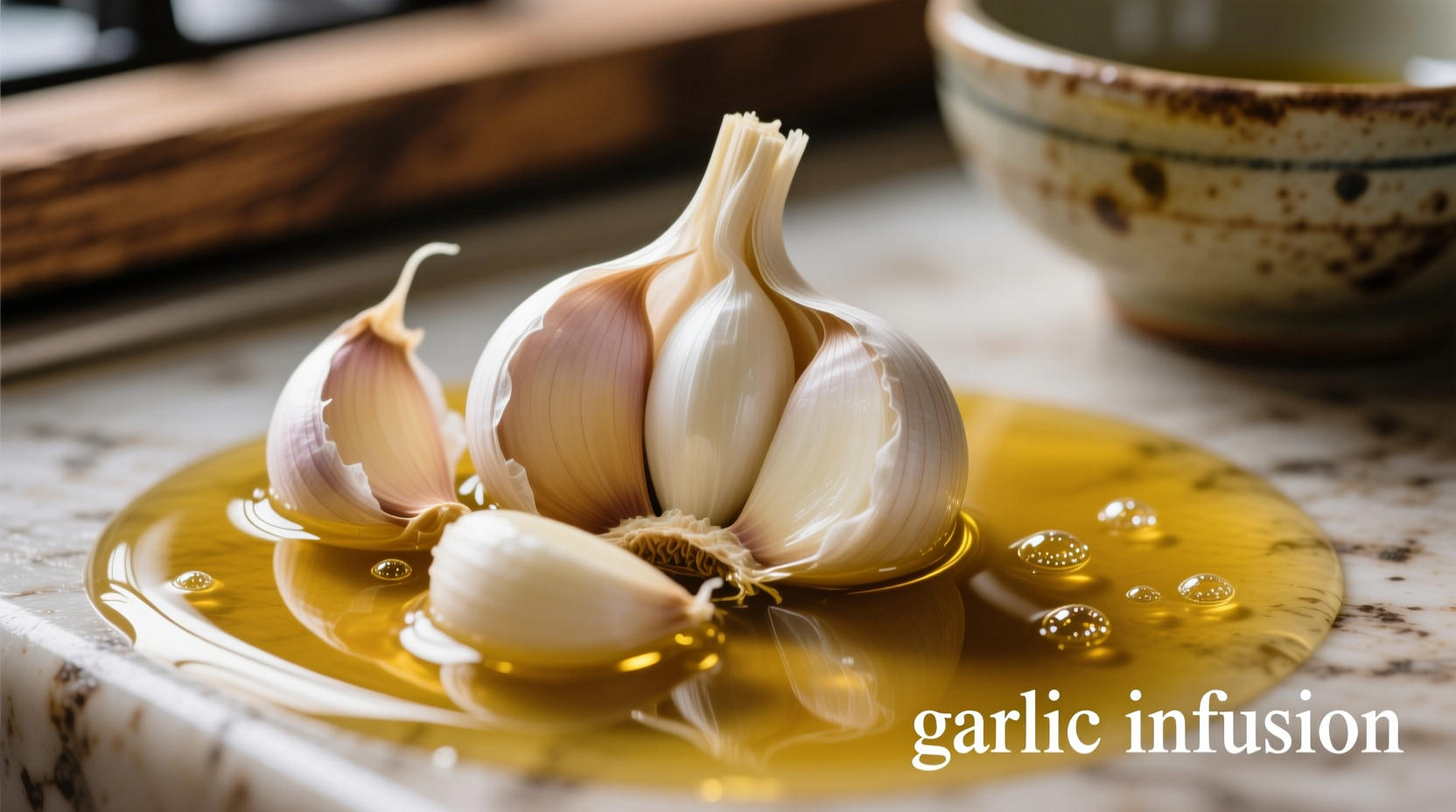
Food safety experts at the FDA warn that improper garlic-in-oil preparation creates ideal conditions for Clostridium botulinum growth. This anaerobic bacterium thrives in low-acid, oxygen-free environments—exactly what happens when garlic sits submerged in oil at room temperature.
| Preparation Method | Safe Storage Duration | Botulism Risk Level | Flavor Preservation |
|---|---|---|---|
| Raw garlic in oil (refrigerated) | Up to 4 weeks | Low (when properly acidified) | Excellent |
| Raw garlic in oil (room temperature) | Discard immediately | Extremely High | Poor (rapid deterioration) |
| Cooked garlic in oil (refrigerated) | Up to 2 weeks | Minimal | Good |
| Commercially processed (pasteurized) | As labeled (unopened) | Negligible | Fair to Good |
Your Step-by-Step Safe Infusion Guide
Follow this chef-approved method developed with input from food safety specialists at the University of California Cooperative Extension:
- Acidify first: Combine 1 tablespoon lemon juice or vinegar per cup of olive oil before adding garlic
- Prepare garlic properly: Peel and lightly crush cloves (don't mince) to maximize flavor release while minimizing surface area
- Refrigerate immediately: Store in airtight container submerged completely in oil
- Use within timeframe: Consume within 4 weeks for optimal safety and flavor
- Discard signs: If you notice bubbling, cloudiness, or off odors, discard immediately
Mediterranean Traditions Through Time
Archaeological evidence from ancient Greek shipwrecks shows olive oil amphorae containing garlic remnants, confirming this pairing's historical significance. The timeline of garlic and olive oil usage reveals:
- 3000 BCE: Earliest documented olive cultivation in Mediterranean regions
- 1500 BCE: Egyptian medical texts reference garlic-oil mixtures for wound treatment
- 400 BCE: Hippocrates prescribes garlic in olive oil for respiratory ailments
- 1st Century CE: Roman agricultural writer Columella details garlic oil preservation methods
- Modern Era: Scientific validation of traditional preparation methods
Practical Applications Beyond the Obvious
Move beyond basic dipping oil with these professional chef techniques that maximize flavor and health benefits:
Enhanced Salad Dressings
Replace standard olive oil in vinaigrettes with garlic-infused oil for deeper flavor complexity. The allicin compounds stabilize the emulsion, creating dressings that stay blended longer without additional emulsifiers.
Smart Sautéing Foundation
Begin cooking by heating garlic-infused oil to just below smoking point (375°F/190°C), then add vegetables. This method prevents garlic from burning while transferring its flavor compounds to the entire dish.
Medicinal Applications
While not medical advice, traditional Mediterranean cultures have used warm garlic-infused olive oil for ear discomfort. Modern research in Complementary Therapies in Medicine suggests the anti-inflammatory properties may provide temporary relief, though consulting a healthcare provider remains essential for persistent issues.
Critical Safety Boundaries You Must Know
Understanding context limitations prevents dangerous mistakes:
- Never store at room temperature: Even for short periods, room temperature storage creates botulism risk
- Avoid adding herbs: Fresh herbs introduce additional moisture and bacteria that accelerate spoilage
- No canning: Home canning of garlic oil is unsafe regardless of processing method
- Cook before long storage: For applications requiring longer shelf life, fully cook garlic in oil before refrigeration
Maximizing Flavor and Nutrition
Professional chefs achieve superior results by understanding these key principles:
- Oil selection matters: Use early harvest extra virgin olive oil with peppery finish to complement garlic's sharpness
- Timing is crucial: Add raw garlic oil in final cooking stages to preserve heat-sensitive compounds
- Temperature control: Never heat garlic oil above 375°F (190°C) to prevent beneficial compound degradation
- Pairing wisdom: Combine with acidic ingredients like lemon to enhance compound stability
Common Mistakes That Waste Your Efforts
Avoid these frequent errors that compromise both safety and flavor:
- Using pre-minced garlic (increases surface area and spoilage risk)
- Adding garlic to hot oil (causes burning and bitter flavors)
- Storing in clear containers (light degrades beneficial compounds)
- Assuming commercial products match homemade quality (most use heat processing)
Preserving Tradition with Modern Safety
The enduring popularity of garlic and olive oil across Mediterranean cultures stems from both flavor and functional benefits. By respecting traditional preparation wisdom while incorporating modern food safety knowledge, home cooks can safely enjoy this powerful combination. Remember that the most authentic Mediterranean kitchens always refrigerate their garlic oil preparations—a practice now validated by contemporary food science.




 浙公网安备
33010002000092号
浙公网安备
33010002000092号 浙B2-20120091-4