
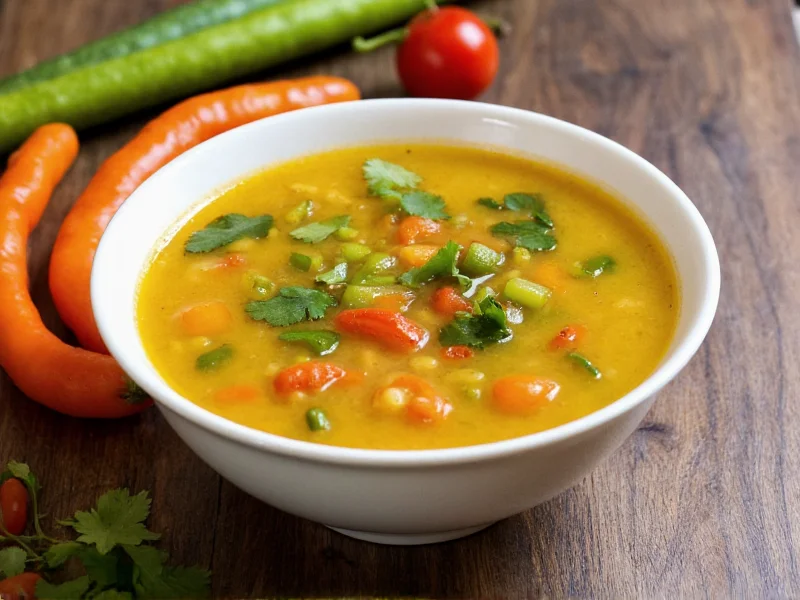
Garden vegetable soup represents one of the most adaptable and nutritionally balanced comfort foods you can prepare. Unlike canned alternatives, homemade versions allow complete control over ingredients and sodium content while maximizing freshness and flavor. The beauty of this dish lies in its flexibility—you can use whatever vegetables are in season or available, making it equally suitable for summer harvests or winter root vegetables.
Essential Ingredients for Perfect Garden Vegetable Soup
The foundation of exceptional garden vegetable soup starts with quality ingredients. While recipes vary, certain elements consistently produce superior results. Understanding which vegetables contribute specific flavors and textures helps you customize your soup while maintaining balance.
| Vegetable Category | Recommended Options | Preparation Tips |
|---|---|---|
| Aromatic Base | Onions, garlic, leeks, celery | Sauté until translucent before adding liquids |
| Root Vegetables | Carrots, parsnips, turnips | Cut smaller than other vegetables for even cooking |
| Summer Vegetables | Zucchini, green beans, fresh tomatoes | Add later in cooking to prevent over-softening |
| Leafy Greens | Spinach, kale, Swiss chard | Stir in during last 5 minutes of cooking |
Step-by-Step Preparation Method
Creating restaurant-quality garden vegetable soup at home follows a logical sequence that maximizes flavor development. Start by preparing your vegetables uniformly—this ensures even cooking and professional presentation. Chop aromatic vegetables (onions, celery, carrots) into 1/4-inch pieces, while heartier vegetables like potatoes should be slightly larger.
The cooking process begins with sautéing your aromatic base in olive oil until fragrant and translucent. This crucial step develops foundational flavors through the Maillard reaction. Add garlic during the last minute to prevent burning. Next, incorporate harder vegetables like carrots and celery, cooking for 5-7 minutes to soften slightly.
Pour in your liquid base—either homemade vegetable broth or a combination of broth and water with tomato product for depth. Bring to a gentle boil, then reduce to a simmer. Add medium-density vegetables like green beans and zucchini, allowing them to cook for 15-20 minutes. Finally, stir in delicate ingredients like fresh herbs and leafy greens during the last 5 minutes to preserve their texture and nutritional value.
Nutritional Profile and Health Benefits
A standard 1.5-cup serving of garden vegetable soup delivers impressive nutritional value without excessive calories. This easy garden vegetable soup recipe typically contains:
- 150-200 calories depending on ingredients
- 5-7 grams of dietary fiber supporting digestive health
- 100% of daily vitamin A needs from carrots and greens
- Significant vitamin C from tomatoes and bell peppers
- Essential minerals like potassium and magnesium
The combination of fresh vegetables creates synergistic health benefits. Carotenoids in carrots and tomatoes become more bioavailable when cooked with healthy fats like olive oil. The fiber content promotes satiety, making this healthy garden vegetable soup an excellent choice for weight management. Unlike processed alternatives, homemade versions contain no preservatives or artificial additives.
Seasonal Variations and Customizations
One of the greatest advantages of garden vegetable soup is its adaptability to seasonal produce. During summer months, incorporate fresh tomatoes, zucchini, and green beans for a lighter broth. In fall, add butternut squash and sweet potatoes for natural sweetness. Winter versions benefit from heartier root vegetables like parsnips and turnips, while spring calls for asparagus and fresh peas.
Dietary modifications require minimal adjustments. For vegan garden vegetable soup, ensure your broth is plant-based and omit any dairy garnishes. Gluten-free preparation simply requires checking broth labels for potential additives. To increase protein content, add white beans or lentils during the simmering phase. The best vegetables for garden vegetable soup ultimately depend on your seasonal availability and personal preferences.
Storage and Reheating Techniques
Proper storage extends the life of your homemade garden vegetable soup while maintaining quality. Cool the soup completely before transferring to airtight containers—never store warm soup as this creates condensation that affects texture. Refrigerated soup stays fresh for 4-5 days, while frozen portions maintain quality for up to 3 months.
When reheating garden vegetable soup for meal prep, do so gently over medium-low heat. Rapid boiling can cause vegetables to become mushy and lose nutritional value. If the soup has thickened during storage, add small amounts of water or broth to reach your preferred consistency. For best results, consume within 3-4 months when frozen.
Troubleshooting Common Issues
Even experienced cooks encounter challenges with garden vegetable soup. If your soup tastes bland, try these solutions:
- Add acid: A splash of lemon juice or vinegar brightens flavors
- Boost umami: Include tomato paste or a Parmesan rind during simmering
- Adjust seasoning: Salt in layers throughout cooking, not just at the end
For soup that's too thin, create a slurry with cornstarch and cold water, then stir in gradually. If vegetables become overcooked, reserve some fresh diced vegetables to add when reheating. Remember that flavors continue developing after cooking—allow your soup to rest for at least 30 minutes before serving for optimal taste.
Frequently Asked Questions
What's the best broth for garden vegetable soup?
Homemade vegetable broth provides the cleanest flavor profile for garden vegetable soup with fresh ingredients. When using store-bought options, choose low-sodium varieties to control salt content. Chicken broth works well for non-vegetarian versions, adding depth without overpowering the vegetables.
How can I make my garden vegetable soup thicker without flour?
Blend a portion of the cooked soup and return it to the pot for instant thickening. Alternatively, mash some beans or potatoes directly in the pot. Adding pureed cooked vegetables like cauliflower or butternut squash creates creaminess while boosting nutrition in your healthy garden vegetable soup.
Which vegetables should I add last to prevent overcooking?
Delicate vegetables like fresh spinach, zucchini, green beans, and peas should join the pot during the final 5-10 minutes of cooking. Leafy greens wilt quickly, while summer vegetables maintain better texture with minimal cooking time. This technique preserves both nutritional value and appealing texture in your homemade garden vegetable soup.
Can I freeze garden vegetable soup successfully?
Yes, garden vegetable soup freezes exceptionally well. Cool completely before transferring to freezer-safe containers, leaving 1-inch headspace for expansion. Most vegetable combinations maintain quality for 3 months. Avoid freezing potatoes if possible, as they can become grainy when thawed. This makes garden vegetable soup ideal for meal prep when using appropriate ingredients.
How do I add protein to garden vegetable soup?
Incorporate protein by adding cooked lentils, white beans, chickpeas, or diced tofu during the last 10 minutes of cooking. For non-vegetarian options, shredded chicken or turkey works well. These additions transform your basic garden vegetable soup into a complete meal while maintaining the dish's light, refreshing character.




 浙公网安备
33010002000092号
浙公网安备
33010002000092号 浙B2-20120091-4