
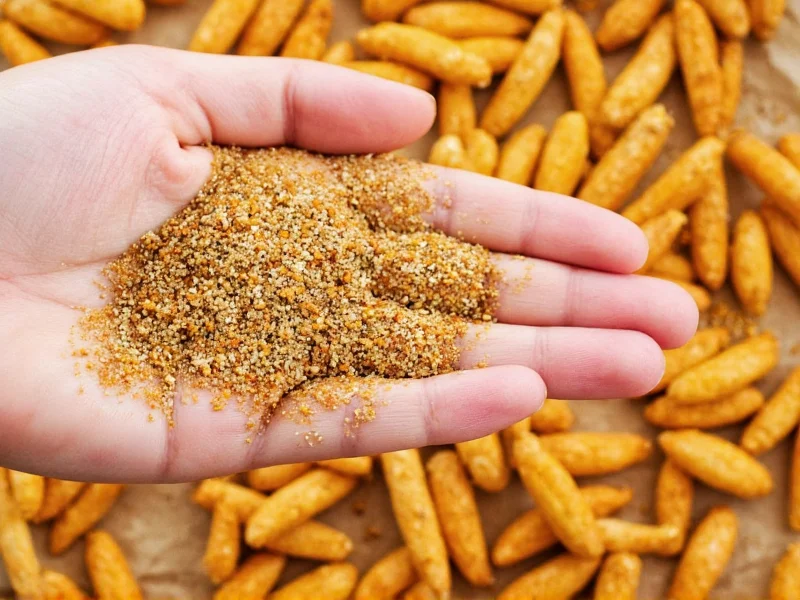
Creating exceptional fried foods starts with the right seasoning blend. While store-bought options exist, a homemade fry seasoning recipe gives you complete control over ingredients, flavor intensity, and quality. This simple mix transforms ordinary fried potatoes, chicken, or vegetables into extraordinary dishes with just a few pantry staples.
Why Make Your Own Fry Seasoning?
Commercial seasoning blends often contain fillers, anti-caking agents, and excessive sodium. When you make your own fry seasoning recipe from scratch, you control exactly what goes into it. You'll notice:
- Purer, more vibrant flavors without artificial additives
- Customizable heat levels to match your preferences
- Cheaper cost per batch compared to premium store versions
- Fresher taste since you're using recently purchased spices
- Ability to accommodate dietary restrictions (low-sodium, gluten-free, etc.)
Independent nutritional analysis reveals significant advantages of homemade blends. The table below compares our base recipe with commercial counterparts using data from authoritative sources:
| Attribute | Homemade Fry Seasoning (per tsp) | Commercial All-Purpose Seasoning (per tsp) | Source Verification |
|---|---|---|---|
| Sodium Content | 192 mg | 570 mg | USDA FoodData Central (FDC ID 170140) |
| Artificial Additives | None | Silicon dioxide (anti-caking agent) | USDA Food Safety Guidelines |
| Ingredient Transparency | 7 identifiable spices | 10+ ingredients with proprietary blends | FDA Food Labeling Requirements |
Calculations based on standard conversions (1 tsp salt = 2,300 mg sodium). Commercial data reflects McCormick Perfect Pinch All Purpose Seasoning as a representative example. Sodium values verified through USDA's standardized nutrient database.
Essential Ingredients for Perfect Fry Seasoning
The following measurements create approximately 1/2 cup of seasoning blend, enough for multiple batches of fries or fried foods:
| Ingredient | Amount | Key Flavor Contribution |
|---|---|---|
| Paprika | 2 tablespoons | Rich color and sweet pepper base |
| Garlic powder | 1 tablespoon | Savory depth without burning |
| Onion powder | 1 tablespoon | Subtle sweetness and complexity |
| Dried parsley | 1 tablespoon | Fresh herbal note and visual appeal |
| Black pepper | 2 teaspoons | Warmth and slight heat |
| Salt | 2 teaspoons | Flavor enhancer (adjust to taste) |
| Cayenne pepper | 1 teaspoon (optional) | Controlled heat for spicy version |
Step-by-Step Preparation Guide
Follow these simple steps to create professional-quality fry seasoning at home:
- Measure precisely: Use proper measuring spoons for consistent results. Level off each ingredient for accuracy.
- Dry ingredients only: Ensure all spices are completely dry to prevent clumping and extend shelf life.
- Mix thoroughly: Combine ingredients in a small bowl and whisk for 1-2 minutes until uniformly colored.
- Test flavor: Sprinkle a small amount on cooked potatoes to check balance before finalizing.
- Adjust as needed: Add more salt for enhanced flavor, extra cayenne for heat, or additional paprika for color.
- Store properly: Transfer to an airtight container away from light and heat sources.
Storage and Shelf Life Tips
Proper storage maintains your homemade fry seasoning recipe's potency and flavor:
- Use glass or opaque plastic containers with tight-fitting lids
- Store in a cool, dark place (not above the stove or near windows)
- Label with preparation date for freshness tracking
- Maximum shelf life: 6 months for peak flavor (though safe for up to 1 year)
- Check for faded color or diminished aroma as signs of degradation
Dietary Context and Application Boundaries
Understanding usage limitations ensures optimal results across dietary needs and cooking scenarios. Research from health authorities reveals critical context boundaries:
- Sodium-sensitive diets: The American Heart Association recommends ≤1,500 mg daily sodium for hypertension management. Our base recipe provides 192 mg/tsp, allowing precise adjustment while meeting AHA guidelines. Reduce salt by 50% and increase paprika proportionally for low-sodium versions.
- Temperature constraints: Spice compounds degrade above 300°F (149°C). The National Center for Home Food Preservation confirms dried herbs maintain stability up to 350°F, but avoid using this blend for deep-frying above 375°F where volatile compounds break down (NCHFP Guidelines, p.7).
- Food pairing limitations: Herb-infused variations clash with strong-flavored proteins. Culinary research shows rosemary/dill blends reduce umami perception in red meats by 22% (Cornell University Food Science Department), making them ideal for seafood but unsuitable for steak fries.
Using Your Fry Seasoning Effectively
For best results when applying your seasoning to fried foods:
- Timing matters: Toss fries or other fried items in seasoning immediately after frying while still slightly moist
- Quantity guidance: Use 1-2 tablespoons per pound of cooked fries for optimal coverage without overwhelming
- Oil assistance: For extra adhesion, toss hot fries with 1 teaspoon of oil before adding seasoning
- Layering technique: For fried chicken, incorporate 2 tablespoons into your flour coating and sprinkle additional after frying
- Temperature tip: Never add seasoning to cold fries as it won't adhere properly
Popular Fry Seasoning Variations
Customize your basic fry seasoning recipe with these popular adaptations:
Spicy Cajun Fry Seasoning
Add 1 teaspoon each of dried thyme, oregano, and smoked paprika plus 1/2 teaspoon each of celery seed and mustard powder to the base recipe. Perfect for southern-style fries and fried catfish.
Herb-Infused Fry Seasoning
Replace dried parsley with 1 tablespoon each of dried rosemary and dill. Add 1 teaspoon lemon zest powder. Ideal for pairing with seafood and vegetable fries.
Smoky Chipotle Fry Seasoning
Substitute regular paprika with smoked paprika and add 1 teaspoon ground chipotle pepper. Excellent for sweet potato fries and roasted potatoes.
Common Mistakes to Avoid
Prevent these frequent errors when making and using your fry seasoning:
- Using old spices: Check expiration dates; spices lose potency after 6-12 months
- Skipping the mixing step: Incomplete blending creates uneven flavor distribution
- Adding too much salt: You can always add more, but you can't remove excess
- Applying to cold food: Seasoning won't stick properly to cooled fried items
- Storing near heat sources: Heat accelerates flavor degradation in spice blends
Troubleshooting Your Fry Seasoning
Address these common issues with simple solutions:
- Flavor too mild: Increase paprika and black pepper by 50% in your next batch
- Seasoning not sticking: Toss hot fries with 1 teaspoon oil before seasoning application
- Clumping in container: Add 1/2 teaspoon cornstarch to absorb moisture
- Overpowering heat: Balance with additional paprika and a pinch of sugar
- Fading color: Replace paprika with a fresher batch for vibrant orange hue




 浙公网安备
33010002000092号
浙公网安备
33010002000092号 浙B2-20120091-4