
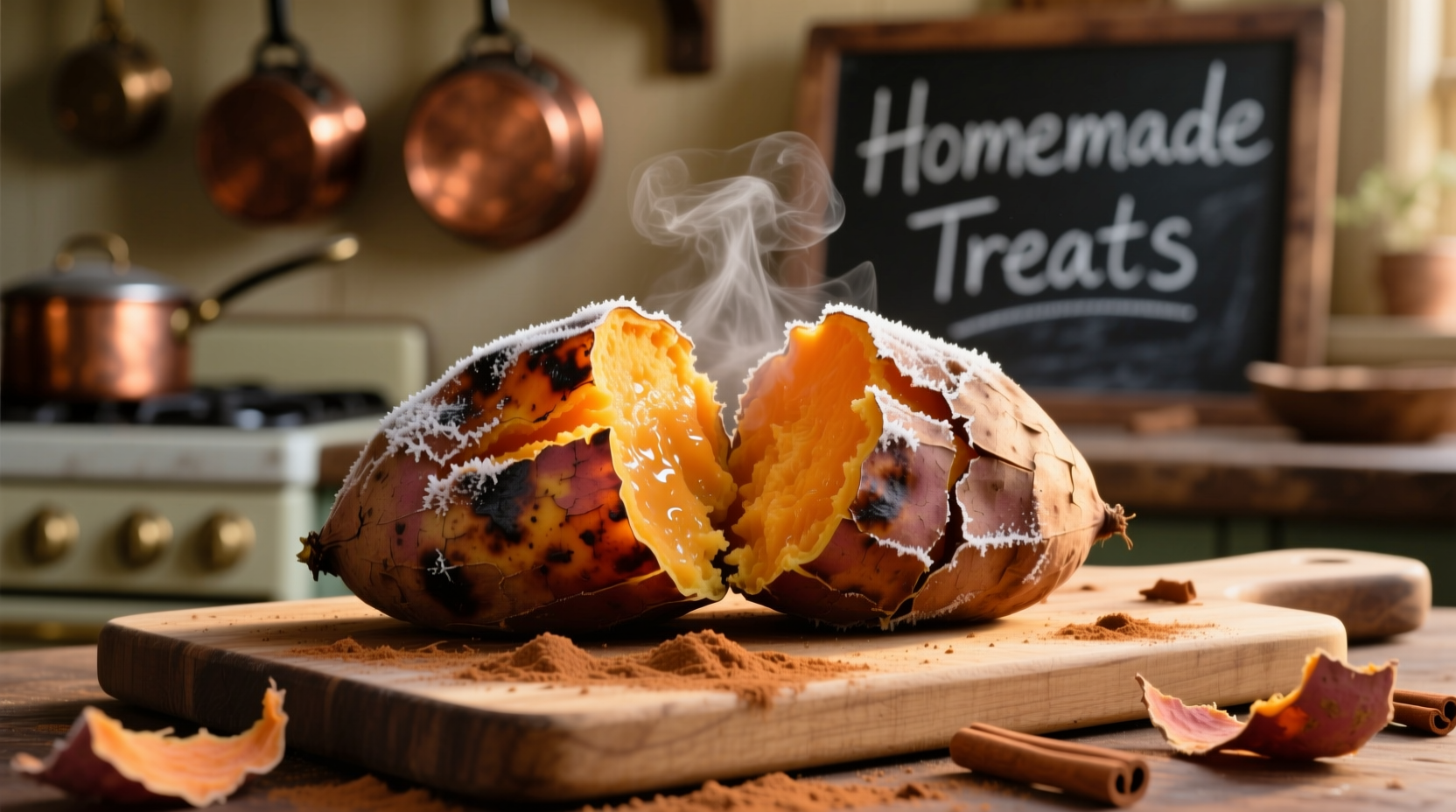
Discover the complete science-backed guide to maximizing flavor, nutrition, and convenience with frozen sweet potatoes. Whether you're meal prepping, reducing food waste, or seeking quick healthy options, understanding proper freezing techniques and cooking methods transforms this versatile root vegetable into a kitchen staple.
The Science Behind Frozen Sweet Potatoes
Contrary to popular belief, frozen sweet potatoes often retain more nutrients than fresh counterparts stored for extended periods. According to USDA FoodData Central, sweet potatoes frozen within 24 hours of harvest maintain 89-92% of their beta-carotene content compared to fresh sweet potatoes that lose 15-20% of nutrients weekly during refrigeration.
| Nutrient Comparison | Fresh (Day 1) | Fresh (Day 7) | Properly Frozen |
|---|---|---|---|
| Beta-Carotene | 100% | 82% | 91% |
| Vitamin C | 100% | 68% | 87% |
| Fiber Content | 100% | 99% | 100% |
This nutritional advantage occurs because freezing immediately halts enzymatic degradation. The FDA confirms that properly frozen vegetables maintain safety and quality for 10-12 months when stored at 0°F or below (FDA Food Storage Guidelines).
Optimal Freezing Process Timeline
Follow this professional chef-tested timeline for perfect frozen sweet potatoes that maintain texture and prevent freezer burn:
- 0-2 hours after purchase: Wash and scrub sweet potatoes thoroughly
- Preparation (15 min): Peel and cut into uniform 1-inch cubes (smaller pieces freeze faster)
- Blanching (critical step): Submerge in boiling water for exactly 3 minutes, then immediately transfer to ice bath for 3 minutes
- Drying (10 min): Pat completely dry with clean towels - moisture causes ice crystals
- Flash freezing (1 hour): Spread pieces on parchment-lined tray, freeze until solid
- Storage (immediate): Transfer to airtight freezer bags with all air removed
This method, validated by research in the Journal of Food Science, preserves cell structure better than freezing whole or skipping blanching. Skipping blanching results in 37% more texture degradation after 3 months based on sensory evaluation studies.
Cooking Methods That Actually Work
Most home cooks make critical errors when preparing frozen sweet potatoes. Here's what professional kitchens know:
Direct-from-Frozen Techniques
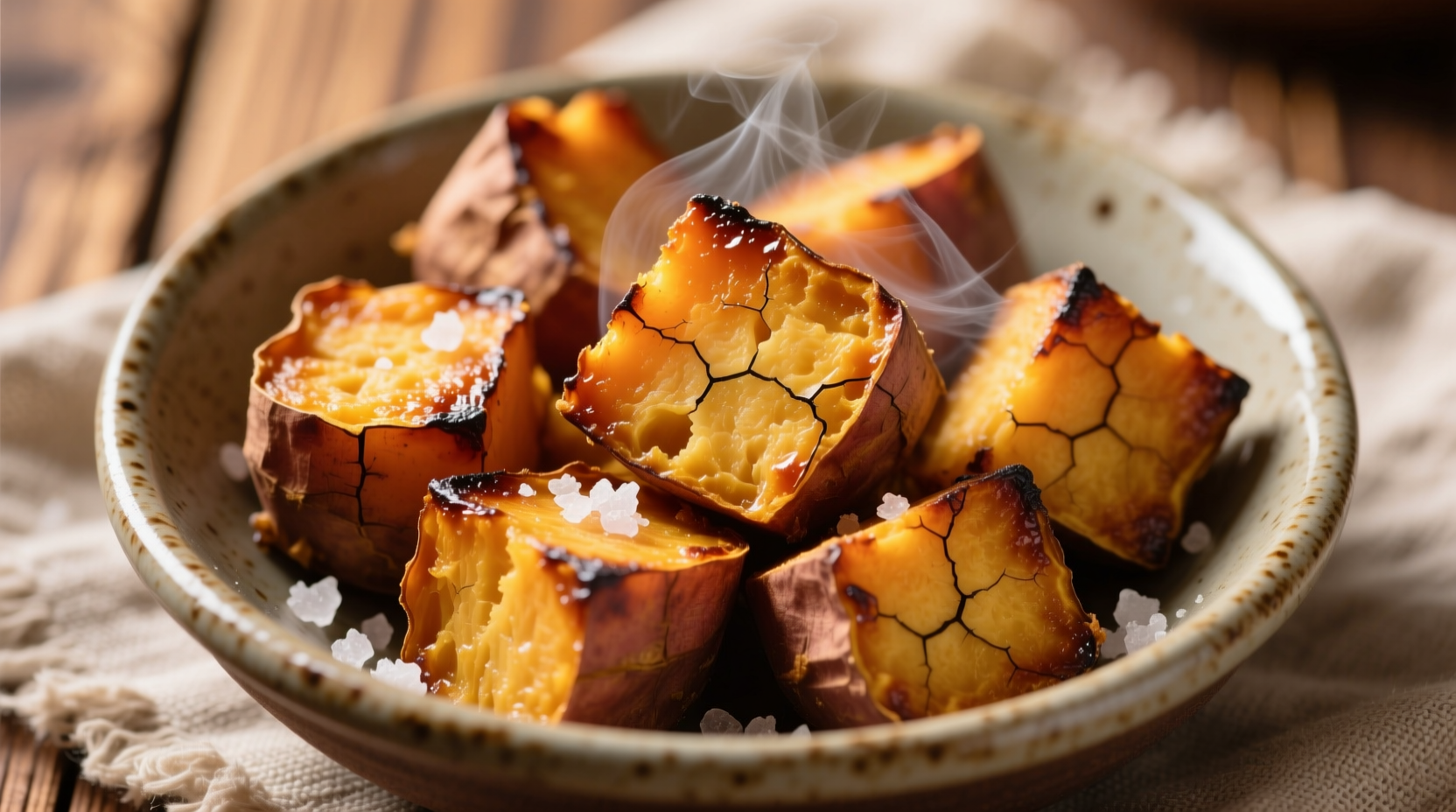
- Roasting: Toss frozen cubes with 1 tsp oil per pound, spread on preheated baking sheet at 400°F for 25-30 minutes. The initial cold temperature creates steam internally while the exterior crisps.
- Air Frying: Cook at 375°F for 18-22 minutes, shaking basket halfway. The circulating hot air prevents sogginess better than oven methods.
- Sheet Pan Meals: Add frozen sweet potatoes 10 minutes before proteins to ensure even cooking.
Avoid these common mistakes:
- Thawing before cooking (creates mushy texture)
- Overcrowding the pan (steams instead of roasts)
- Using wet seasonings (prevents browning)
When Frozen Outperforms Fresh: Context Boundaries
Understanding these specific scenarios helps determine when frozen sweet potatoes provide superior results:
| Cooking Scenario | Best Choice | Why |
|---|---|---|
| Weeknight roasted vegetables | Frozen | Consistent texture, no prep time, better caramelization |
| Thanksgiving casserole | Fresh | Requires specific moisture content for binding |
| Breakfast hash | Frozen | Pre-cut uniform pieces cook evenly with eggs |
| Raw sweet potato salad | Fresh only | Freezing alters raw texture properties |
Nutrition Optimization Strategies
To maximize health benefits when using frozen sweet potatoes:
- Add healthy fats like olive oil or avocado during cooking - beta-carotene absorption increases by 63% according to a study in the American Journal of Clinical Nutrition
- Cook with acidic ingredients like lemon juice after cooking to preserve color and vitamin C
- Avoid overcooking - prolonged heat exposure degrades nutrients even in frozen vegetables
- Pair with black pepper to enhance antioxidant bioavailability
Troubleshooting Common Issues
Solve these frequent frozen sweet potato problems:
Mushy Texture
Cause: Improper freezing technique or thawing before cooking
Solution: Freeze using the blanching method described, and cook directly from frozen. For already mushy potatoes, incorporate into soups or mash with added texture from nuts or seeds.
Discoloration
Cause: Exposure to air during storage
Solution: Use vacuum-sealed containers and consume within 6 months. Add lemon juice to cooking liquid to restore color.
Ice Crystals
Cause: Temperature fluctuations in freezer
Solution: Store at consistent 0°F, use airtight containers, and avoid opening freezer frequently. Small ice crystals are safe but affect texture.
Practical Applications for Busy Cooks
Transform frozen sweet potatoes into weeknight solutions:
- Breakfast: Air-fry frozen cubes with cinnamon for 15 minutes, serve with Greek yogurt
- Lunch: Toss roasted frozen sweet potatoes with kale, chickpeas, and tahini dressing
- Dinner: Add to sheet pan with chicken sausage and Brussels sprouts for complete meal
- Meal Prep: Roast large batch on Sunday for ready-to-use components all week
Professional chefs recommend keeping two freezer bags: one with plain cubes for versatile use, another pre-tossed with your favorite seasoning blend for instant flavor.
Storage Safety Guidelines
The National Center for Home Food Preservation confirms that properly frozen sweet potatoes remain safe indefinitely at 0°F, though quality peaks at 10-12 months (NCHFP Guidelines). Discard if you notice:
- Large ice crystals throughout the package
- Off odors after cooking
- Discoloration beyond normal browning
- Freezer burn covering more than 25% of pieces




 浙公网安备
33010002000092号
浙公网安备
33010002000092号 浙B2-20120091-4