
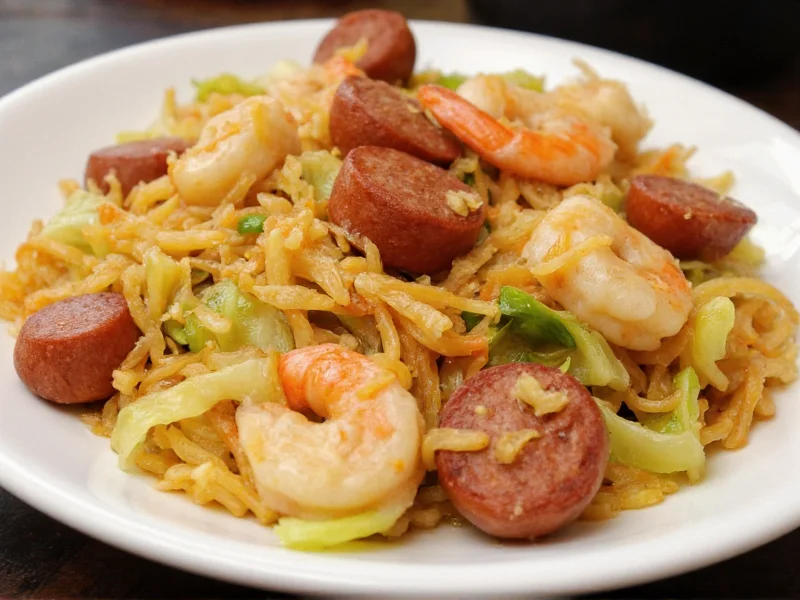
If you're searching for a quick, satisfying dinner that combines protein and vegetables in one pan, fried cabbage with sausage and shrimp delivers exceptional flavor with minimal effort. This versatile dish has roots in Eastern European cuisine but has gained popularity worldwide for its simplicity and balanced nutrition profile. The natural sweetness of cabbage complements the savory sausage and delicate shrimp, creating a harmonious flavor profile that appeals to diverse palates.
Why This Recipe Works
What makes fried cabbage with sausage and shrimp stand out among quick dinner options? The magic lies in the complementary textures and flavors. Cabbage provides a mild sweetness that caramelizes beautifully when cooked, while sausage adds rich umami notes and necessary fat for proper searing. Shrimp brings a delicate seafood element that cooks quickly without overwhelming the other ingredients. Unlike many one-pan meals, this combination maintains distinct textures—crisp-tender cabbage, juicy sausage, and plump shrimp—that create an enjoyable eating experience.
Essential Ingredients for Perfect Fried Cabbage
The beauty of this dish is its simplicity, but using quality ingredients makes a significant difference in the final result. Here's what you'll need for a standard four-serving recipe:
| Ingredient | Amount | Notes |
|---|---|---|
| Green cabbage | 1 medium head (about 2 lbs) | Shredded, core removed |
| Smoked sausage | 12 oz | Kielbasa or smoked turkey sausage for lighter option |
| Raw shrimp | 12 oz | Peeled, deveined, tail-on or off |
| Yellow onion | 1 medium | Thinly sliced |
| Garlic | 3 cloves | Minced |
| Olive oil or bacon fat | 2 tablespoons | For authentic flavor |
| Apple cider vinegar | 1 tablespoon | Essential for brightness |
| Salt and black pepper | To taste |
Step-by-Step Cooking Instructions
Follow these precise steps for perfectly cooked fried cabbage with sausage and shrimp every time:
- Prepare ingredients: Shred cabbage using a sharp knife or mandoline (about 6 cups total). Slice sausage into 1/4-inch rounds. Pat shrimp completely dry with paper towels.
- Cook sausage: Heat oil in a large skillet or wok over medium-high heat. Add sausage in a single layer and cook until browned on both sides (5-6 minutes). Remove sausage, leaving drippings in pan.
- Sauté aromatics: Add onion to the same pan and cook until softened (3-4 minutes). Add garlic and cook for 30 seconds until fragrant.
- Cook cabbage: Add shredded cabbage and 1/2 teaspoon salt to the pan. Stir to combine with onions. Cook, stirring occasionally, until cabbage is tender-crisp (8-10 minutes).
- Add finishing elements: Return sausage to the pan. Add shrimp in an even layer. Cook until shrimp turns opaque and reaches 145°F internally (3-4 minutes per side).
- Season and serve: Remove from heat. Stir in apple cider vinegar, additional salt and pepper to taste. Serve immediately.
Pro Tips for Best Results
Master this easy fried cabbage recipe with sausage and shrimp by following these professional cooking techniques:
- Dry ingredients thoroughly: Moisture is the enemy of proper browning. Pat shrimp completely dry before cooking for optimal sear.
- Don't overcrowd the pan: Cook in batches if necessary to maintain proper heat and prevent steaming instead of frying.
- Add shrimp at the right time: Shrimp cooks quickly and will become rubbery if added too early. Wait until cabbage is nearly done before adding.
- Use the right cabbage: Green cabbage works best for this recipe, but you can substitute savoy cabbage for a slightly sweeter, more delicate flavor.
- Acid is essential: The splash of apple cider vinegar at the end brightens the entire dish and balances the richness.
Delicious Variations to Try
Once you've mastered the basic recipe for fried cabbage with sausage and shrimp, experiment with these tasty variations:
- Spicy version: Add 1/2 teaspoon red pepper flakes when cooking onions or use andouille sausage for natural heat.
- Asian-inspired: Substitute smoked sausage with Chinese sausage, add 1 tablespoon soy sauce and 1 teaspoon sesame oil with the vinegar.
- Low-carb option: This already low-carb fried cabbage recipe can be enhanced with additional non-starchy vegetables like bell peppers.
- Vegetarian adaptation: Replace sausage with smoked tofu and shrimp with king oyster mushrooms for a plant-based version.
- Breakfast twist: Add two beaten eggs at the end and serve with crusty bread for a hearty morning meal.
Serving Suggestions and Meal Pairings
This versatile one-pan cabbage sausage shrimp dinner pairs beautifully with several side options:
- Crusty bread or dinner rolls for soaking up flavorful pan juices
- Simple green salad with lemon vinaigrette to balance the richness
- Roasted potatoes or sweet potatoes for a more substantial meal
- Steamed rice or quinoa to make it more filling
- Cold beer or crisp white wine like Sauvignon Blanc
Storage and Reheating Instructions
While fried cabbage with sausage and shrimp is best enjoyed fresh, leftovers can be stored properly:
- Refrigeration: Store in an airtight container for up to 3 days. The cabbage will continue to soften as it sits.
- Reheating: Warm gently in a skillet over medium-low heat with a splash of water or broth to revive moisture. Avoid microwaving, which can make shrimp rubbery.
- Freezing: Not recommended as cabbage becomes watery and shrimp texture deteriorates when frozen and thawed.
Nutritional Benefits
This balanced meal offers impressive nutritional value per serving (based on 4 servings):
- Approximately 380 calories
- 28g protein (excellent source of complete protein)
- 15g healthy fats (primarily from sausage and olive oil)
- 32g carbohydrates (mostly from cabbage, with 8g fiber)
- Rich in vitamins C and K from cabbage
- Good source of selenium and omega-3s from shrimp
The combination of lean protein, fiber-rich vegetables, and healthy fats makes this an excellent choice for those seeking a balanced, satisfying meal that supports various dietary approaches including low-carb and gluten-free eating plans.
Frequently Asked Questions
Can I use frozen shrimp for fried cabbage with sausage and shrimp?
Yes, you can use frozen shrimp, but proper thawing is essential. Place frozen shrimp in a colander and run under cold water for 5-10 minutes until completely thawed. Pat thoroughly dry before cooking to ensure proper browning. Never cook frozen shrimp directly as this will release too much water and prevent proper searing.
What's the best type of sausage to use in this recipe?
Smoked kielbasa is the traditional choice for fried cabbage recipes, providing rich flavor and proper fat content. For lighter options, try smoked turkey sausage or chicken sausage. Andouille sausage works well for a spicy variation. Avoid fresh sausages like Italian sausage as they lack the smoked flavor that complements cabbage best.
How do I prevent cabbage from becoming too watery when cooking?
To prevent excess moisture, salt the shredded cabbage with 1/2 teaspoon salt and let it sit in a colander for 15 minutes before cooking. This draws out some moisture through osmosis. Then rinse and pat dry thoroughly. Also, ensure your pan is properly preheated before adding cabbage, and avoid covering the pan while cooking to allow moisture to evaporate.
Can I make this recipe in advance for meal prep?
While the complete dish is best fresh, you can prepare components ahead. Cook the cabbage and sausage mixture in advance (without shrimp), then store separately from raw shrimp. When ready to eat, reheat the cabbage mixture and add fresh shrimp during the final cooking stage. This prevents the shrimp from becoming overcooked when reheated.
What are common mistakes to avoid when making fried cabbage with sausage and shrimp?
The most common mistakes include: adding shrimp too early (resulting in rubbery texture), overcrowding the pan (causing steaming instead of frying), skipping the vinegar (which balances flavors), using wet ingredients (preventing proper browning), and stirring too frequently (interfering with caramelization). Following the step-by-step instructions precisely yields the best results for this easy fried cabbage recipe with sausage and shrimp.




 浙公网安备
33010002000092号
浙公网安备
33010002000092号 浙B2-20120091-4