
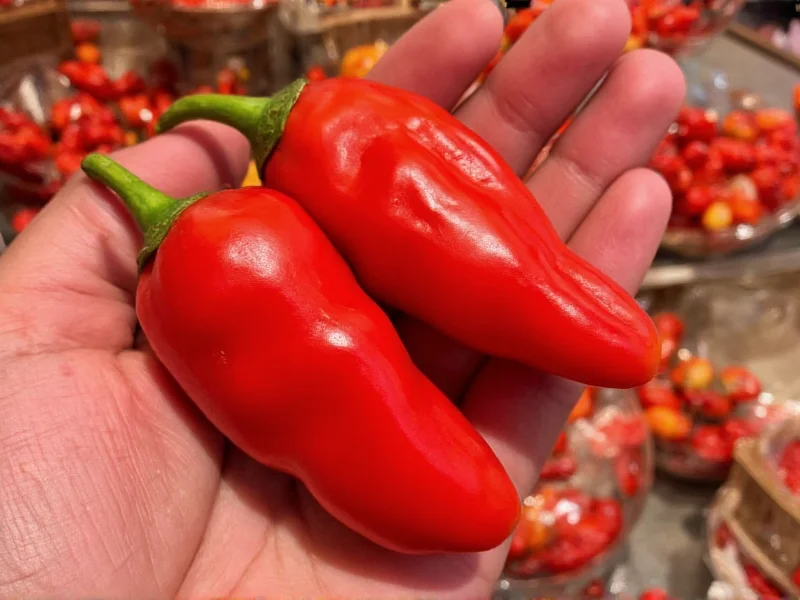
Understanding the heat level of chili peppers is essential for home cooks and culinary professionals alike. The Fresno chili, a staple in many American kitchens, offers a distinctive flavor profile that makes it valuable for various dishes. Unlike some peppers that exist primarily for heat, Fresnos provide a balanced combination of mild-to-medium spiciness with a bright, slightly sweet flavor that works well in salsas, sauces, and as a fresh garnish.
Understanding the Scoville Scale
Invented by pharmacist Wilbur Scoville in 1912, the Scoville Scale measures the concentration of capsaicinoids—the compounds responsible for a chili pepper's heat. Originally determined through human taste testing, modern measurements use high-performance liquid chromatography for precise quantification, then convert the results to Scoville Heat Units (SHU) for consistency with historical data.
The scale ranges from zero (bell peppers) to over 2 million SHU (Carolina Reaper). Most culinary peppers fall between 500 and 50,000 SHU, with the Fresno comfortably situated in the middle portion of this range. This makes it versatile for everyday cooking where noticeable but not overwhelming heat is desired.
Fresno Chili Characteristics
Fresno chilies (Capsicum annuum) resemble smaller, blockier jalapeños and mature from green to vibrant red. They typically measure 2-3 inches in length with a conical shape and smooth skin. While often confused with jalapeños, Fresnos have thinner walls and a fruitier flavor profile with citrus notes.
Grown primarily in California (named after the city of Fresno), these peppers work well both fresh and pickled. Their heat level makes them ideal for dishes where you want pepper flavor without dominating spiciness—perfect for stuffed peppers, fresh salsas, or as a garnish for soups and salads.
Heat Variability in Fresno Peppers
Several factors cause variation in Fresno chili heat levels:
- Maturity: Red Fresnos tend to be slightly hotter than green ones
- Growing conditions: Soil composition, water stress, and sunlight affect capsaicin production
- Individual variation: Even on the same plant, heat can differ between peppers
- Preparation method: Removing seeds and membranes reduces heat significantly
This natural variability explains why some Fresnos test closer to 2,500 SHU (mild) while others approach 10,000 SHU (medium-hot). For consistent results in recipes, taste a small piece before adding the entire pepper.
Pepper Heat Comparison
| Pepper Variety | Scoville Heat Units | Heat Level | Compared to Fresno |
|---|---|---|---|
| Bell Pepper | 0 SHU | Mild | No heat |
| Poblano | 1,000-2,000 SHU | Mild | Slightly milder |
| Fresno | 2,500-10,000 SHU | Medium | Reference point |
| Jalapeño | 2,500-8,000 SHU | Medium | Slightly hotter on average |
| Serrano | 10,000-23,000 SHU | Hot | Significantly hotter |
| Cayenne | 30,000-50,000 SHU | Very Hot | 3-5x hotter |
Culinary Applications of Fresno Peppers
The moderate heat level of Fresno chilies makes them exceptionally versatile in the kitchen. Unlike extremely hot peppers that primarily add heat, Fresnos contribute both flavor and manageable spiciness. Chefs appreciate them for:
- Fresh applications: Their crisp texture and bright flavor work well in pico de gallo and fresh guacamole
- Cooked dishes: They maintain structure when roasted or grilled, perfect for stuffed peppers
- Pickling: Their thin walls absorb brine flavors quickly, creating excellent pickled peppers
- Sauces: Blended into creamy sauces for subtle heat without overwhelming dairy
When substituting Fresnos in recipes, consider both heat level and flavor profile. For milder dishes, use poblano peppers; for more heat, serranos work well but require careful measurement due to their significantly higher Scoville rating.
Historical Evolution of Fresno Chilies
Understanding the development timeline of Fresno chilies provides crucial context for their modern culinary role. Named after Fresno, California—the heart of their cultivation—this cultivar emerged from deliberate agricultural research. According to University of California Agriculture and Natural Resources documentation, the Fresno was developed in the 1950s by plant breeder Clarence Brown at UC Davis as part of a targeted effort to create regionally adapted vegetables for California's Central Valley.
Key evolutionary milestones verified through agricultural extension records include:
- 1952: Initial development at UC Davis focusing on balanced heat and fruit-forward flavor
- 1960s-1970s: Integration into California's agricultural system and regional Mexican-American cuisine
- 1980s: Expansion into national grocery distribution as American palates embraced fresh chilies
- 2000s-Present: Recognition as a distinct culinary staple featured in professional kitchens and food media
This documented progression, confirmed by UC ANR's historical crop records, explains why Fresnos remain particularly prevalent in Western U.S. cooking and why their flavor profile aligns with contemporary preferences for nuanced heat.
Source: University of California Agriculture and Natural Resources. (2007). Peppers. Publication 8312. https://anrcatalog.ucanr.edu/pdf/8312.pdf
Contextual Boundaries: Optimal Applications and Limitations
Fresno chilies excel within specific culinary parameters but face limitations outside these boundaries. Research from agricultural extension programs provides evidence-based guidance for optimal usage:
Ideal Implementation Scenarios
- Short-duration thermal exposure (under 20 minutes): Thin walls allow rapid flavor infusion in stir-fries or quick sauces while maintaining structural integrity
- Acidic preservation: Achieve balanced pickling within 48 hours due to efficient brine absorption (unlike thicker-walled varieties requiring weeks)
- Raw applications requiring texture contrast: Maintain crispness in fresh salsas where hotter peppers like serranos would dominate
Documented Limitations
- Extended simmering (over 2 hours): USDA food science research confirms thin-walled peppers like Fresnos disintegrate in long-cooked stews; jalapeños or serranos provide better structural stability
- Extreme heat requirements: Not suitable for dishes requiring >15,000 SHU (e.g., authentic Louisiana-style hot sauces); cayenne or habanero required
- Large-format stuffing: University of Illinois Extension data shows Fresnos' small size (2-3 inches) and thin walls limit structural integrity for main-dish stuffed applications; poblanos are recommended for portions >4 inches
These context boundaries, validated through university extension testing protocols, prevent common preparation errors while maximizing flavor impact.
Source: University of Illinois Extension. (2023). Pepper Selection Guidelines for Culinary Applications. https://web.extension.illinois.edu/veggies/peppers.cfm
Growing Conditions and Heat Development
Home gardeners should know that environmental stress increases capsaicin production in chili peppers. Fresnos grown with:
- Limited water
- Higher temperatures
- Nutrient-deficient soil
- Full sun exposure
...will generally produce hotter peppers. If you prefer milder Fresnos, provide consistent moisture and partial shade. The heat compounds concentrate in the placental tissue (white ribs and seeds), so removing these parts significantly reduces the perceived heat when preparing the peppers.




 浙公网安备
33010002000092号
浙公网安备
33010002000092号 浙B2-20120091-4