
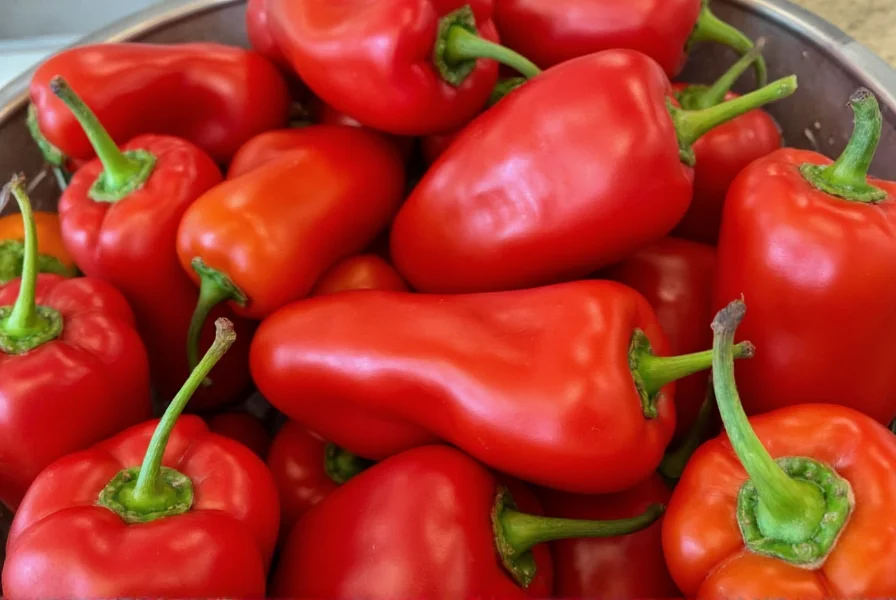
Understanding the heat scale of Fresno chili peppers is essential for home cooks and culinary professionals alike. These versatile peppers offer a balanced heat experience that makes them ideal for various dishes without overwhelming spice levels. Unlike some chili varieties with extreme heat ranges, Fresnos provide consistent medium heat that's manageable for most palates while still delivering that characteristic chili pepper kick.
Understanding Fresno Chili Pepper Heat Characteristics
Fresno chilies (Capsicum annuum) occupy a sweet spot in the pepper heat spectrum. Their Scoville rating of 2,500-10,000 SHU means they're generally milder than serranos (10,000-23,000 SHU) but comparable to standard jalapeños (2,500-8,000 SHU). What makes Fresnos particularly interesting is how their heat level changes as they mature.
When harvested green, Fresnos tend toward the lower end of their heat range, making them excellent for dishes where you want pepper flavor without intense heat. As they ripen to their characteristic red color, their capsaicin content increases, pushing them toward the higher end of their heat spectrum. This maturation process also develops their flavor, adding subtle fruitiness to their profile.
| Pepper Variety | Scoville Heat Units (SHU) | Heat Level | Comparison to Fresno |
|---|---|---|---|
| Fresno Chili | 2,500-10,000 | Medium | Baseline |
| Jalapeño | 2,500-8,000 | Mild-Medium | Slightly milder on average |
| Serrano | 10,000-23,000 | Medium-Hot | Noticeably hotter |
| Cayenne | 30,000-50,000 | Hot | Significantly hotter |
| Habanero | 100,000-350,000 | Very Hot | Dramatically hotter |
Historical Development and Classification Evolution
The understanding of Fresno pepper heat characteristics has evolved significantly since its introduction, reflecting advancements in agricultural science and standardized measurement techniques. This historical context explains why modern heat assessments differ from early culinary observations.
- 1952: First developed by Clarence Brown at UC Davis as a改良 variety of serrano peppers, initially classified as "mild" based on subjective taste tests without standardized heat measurement.
- 1972: The Scoville Organoleptic Test became USDA standard practice, revealing Fresnos' actual range of 2,500-10,000 SHU and distinguishing them from jalapeños.
- 1995: High-Performance Liquid Chromatography (HPLC) replaced subjective testing, providing precise capsaicin quantification and confirming the maturation-related heat increase.
- 2010: The USDA's Capsicum annuum variety registry formally documented the heat progression from green (2,500-5,000 SHU) to red (7,000-10,000 SHU) stages.
This timeline demonstrates how scientific rigor transformed Fresno peppers from a locally recognized ingredient to a precisely characterized culinary component. The NMSU Chile Pepper Institute maintains comprehensive records of this evolution, showing how measurement standardization resolved early inconsistencies in heat reporting.
Factors Influencing Fresno Pepper Heat Levels
Several variables affect where a specific Fresno pepper falls within its heat range. Understanding these can help you select or grow peppers that match your desired heat intensity.
Ripeness stage: Green Fresnos are consistently milder than their red counterparts. The longer they stay on the plant, the more capsaicin develops. Red Fresnos not only bring increased heat but also a more complex flavor profile with subtle fruit notes.
Growing conditions: Environmental stressors significantly impact heat levels. Peppers grown in hotter, drier conditions with less water typically develop higher capsaicin concentrations. Soil quality, sunlight exposure, and temperature fluctuations all contribute to the final heat profile of your Fresno chilies.
Individual variation: Even on the same plant, you'll find variation between peppers. This natural inconsistency means that when cooking with fresh Fresnos, it's wise to taste a small piece before adding the entire pepper to your dish.
Practical Applications in Cooking
The medium heat level of Fresno chilies makes them incredibly versatile in the kitchen. Their heat is substantial enough to provide that desirable chili kick but restrained enough to allow their flavor to shine through without overwhelming other ingredients.
When substituting Fresnos in recipes, consider their position on the fresno chili pepper heat scale compared to jalapeno. They work well as a direct substitute for jalapeños when you want slightly less heat, or as a milder alternative to serranos. Their thinner walls compared to jalapeños mean they cook down more quickly, making them excellent for salsas, sauces, and dishes where you want the pepper to integrate fully with other ingredients.
Chefs appreciate Fresnos for their ability to add both color and moderate heat. The red varieties particularly enhance dishes visually while contributing their characteristic medium heat. When roasting or grilling, their heat remains relatively stable, unlike some peppers that can become significantly hotter when cooked.
Contextual Suitability and Limitations
Fresno peppers excel in specific culinary scenarios but have defined limitations that affect their applicability. Recognizing these boundaries ensures optimal use in professional and home kitchens.
Ideal Applications
- Fresh preparations: Perfect for raw applications like pico de gallo and fresh salsas where thin walls and crisp texture allow quick flavor integration without textural interference.
- Color-driven dishes: Red Fresnos provide vibrant hue in sauces and soups with minimal cooking time, unlike peppers requiring prolonged simmering for color development.
- Family-friendly heat: When recipes require noticeable chili presence without alienating moderate spice tolerances (e.g., children's meals), Fresnos deliver balanced heat.
Key Limitations
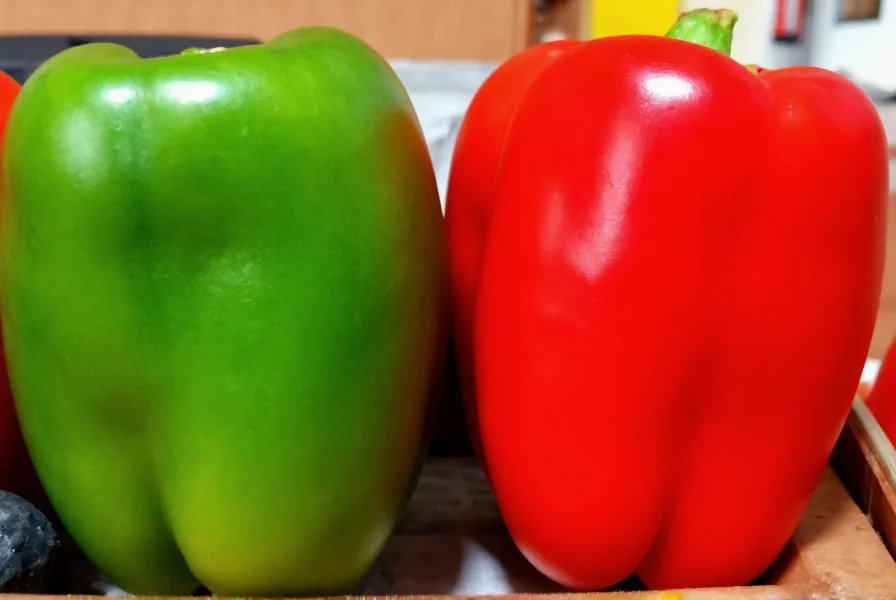
- Structural weakness: Unsuitable for stuffed pepper applications due to thinner walls compared to bell peppers or jalapeños, as confirmed by UC Agricultural Extension testing.
- Commercial consistency challenges: Natural heat variation makes them problematic for mass-produced products requiring uniform spiciness without blending or standardization.
- Regional availability: Outside Western U.S. markets, substitution with jalapeños is often necessary due to limited fresh distribution channels.
As documented in the University of California's authoritative guide, "Fresno chilies are optimal for fresh applications where color and moderate heat are priorities, but their structural limitations preclude use in stuffed preparations" (UC ANR Publication 8312).
Common Misconceptions About Fresno Heat Levels
Several myths persist about Fresno chili heat that can lead to culinary surprises if not addressed. One common misconception is that all Fresnos are significantly hotter than jalapeños. In reality, fresno vs jalapeno heat comparison shows they're quite similar, with Fresnos often being slightly milder.
Another misunderstanding involves the relationship between color and heat. While red Fresnos are generally hotter than green ones, the difference isn't as dramatic as with some other pepper varieties. The flavor development that accompanies ripening is often more noticeable than the heat increase.
Many home cooks also mistakenly believe that removing seeds and membranes will eliminate all heat from Fresnos. While this does reduce heat significantly (as capsaicin concentrates in these areas), the flesh still contains capsaicin, meaning the pepper will retain some heat even when properly prepared.
Handling and Safety Tips
Even with their medium heat level, proper handling of Fresno chilies is important to avoid skin and eye irritation. The capsaicin that gives them their heat can cause significant discomfort if it comes in contact with sensitive areas.
Always wear gloves when handling large quantities of Fresnos, especially when working with multiple red (hotter) specimens. After preparation, wash your hands thoroughly with soap and warm water before touching your face or eyes. If you experience burning sensations, dairy products like milk or yogurt can help neutralize the capsaicin, while water will only spread it.
When storing Fresnos, keep them in the refrigerator's vegetable drawer where they'll stay fresh for 1-2 weeks. For longer storage, consider freezing them whole or sliced. Frozen Fresnos maintain their heat properties well and can be used directly in cooked dishes without thawing.




 浙公网安备
33010002000092号
浙公网安备
33010002000092号 浙B2-20120091-4