
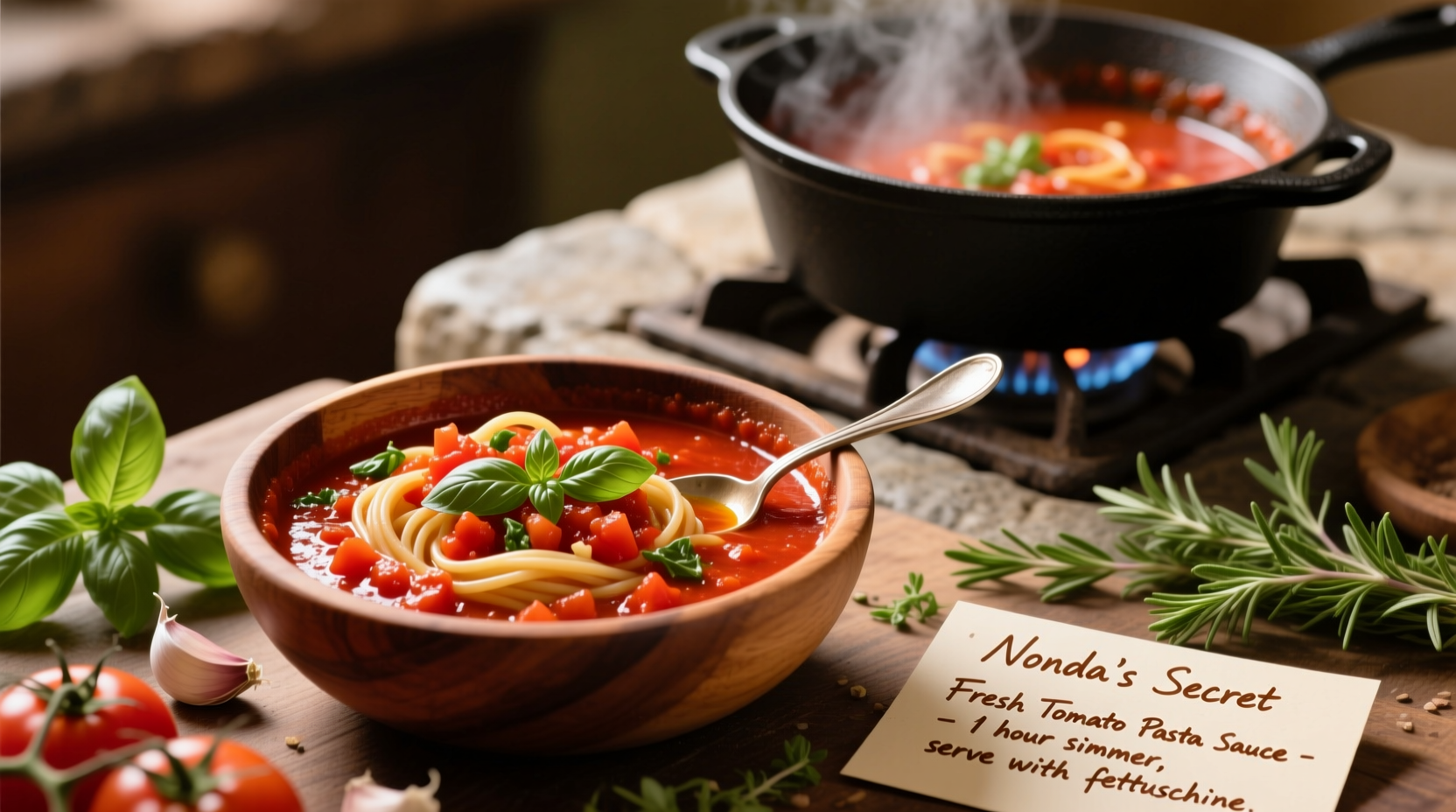
There's nothing quite like the bright, garden-fresh taste of homemade tomato sauce. Forget the jars lining supermarket shelves—when tomatoes are at their peak, transforming them into a silky-smooth pasta sauce becomes one of summer's greatest kitchen pleasures. As a chef who's cooked in both Michelin-starred restaurants and bustling street food stalls across Italy, I've discovered the secret isn't complexity—it's understanding how to maximize flavor from just a few perfect ingredients.
Why Fresh Tomato Sauce Beats Store-Bought Every Time
Commercial sauces often contain preservatives, excess sugar, and artificial flavors that mask the tomato's natural sweetness. When you make sauce from fresh tomatoes, you control every element—ensuring vibrant color, balanced acidity, and that unmistakable garden-fresh aroma. According to USDA nutritional data, fresh tomato sauce contains 30% more vitamin C and significantly less sodium than most commercial alternatives.
| Characteristic | Fresh Homemade Sauce | Store-Bought Sauce |
|---|---|---|
| Preparation Time | 30 minutes | 0 minutes |
| Sodium Content | 85mg per serving | 400-600mg per serving |
| Added Sugar | None | Common (2-5g per serving) |
| Flavor Complexity | Bright, layered notes | One-dimensional |
Gathering Your Ingredients: The Foundation of Flavor
The magic of fresh tomato sauce begins at the market. During peak tomato season (July-September in most regions), choose varieties specifically bred for sauce-making. San Marzano tomatoes, originally from Italy's volcanic soil regions, remain the gold standard for their perfect balance of sweetness and acidity with fewer seeds.
Your essential shopping list:
- 2.5 lbs (1.1 kg) ripe tomatoes (San Marzano or Roma)
- 3 tablespoons extra-virgin olive oil
- 1 small yellow onion, finely diced
- 2 garlic cloves, minced
- 1 teaspoon sea salt (plus more to taste)
- 10 fresh basil leaves
- 1 teaspoon sugar (optional, for balancing acidity)
Preparation: Where Technique Meets Timing
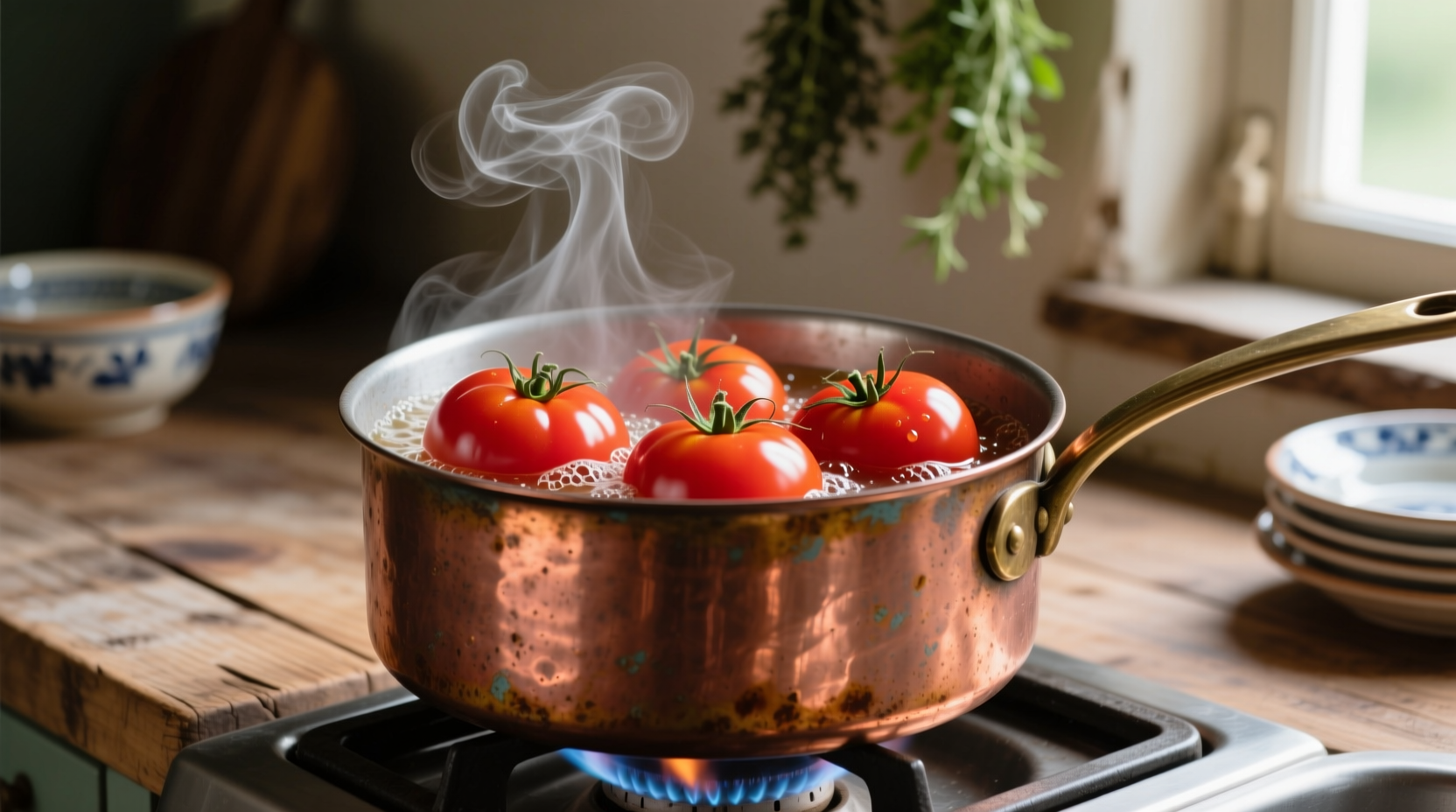
Professional kitchens use a simple technique to maximize flavor extraction while maintaining freshness. Begin by scoring the bottom of each tomato with a shallow "X" using a paring knife. Blanch them in boiling water for 60 seconds, then immediately transfer to an ice bath. The skins will slip off effortlessly, revealing the vibrant flesh beneath.
While your tomatoes cool, heat olive oil in a heavy-bottomed saucepan over medium heat. Add onions and cook until translucent (about 5 minutes)—never let them brown, as this creates bitter compounds. Add garlic and cook for 30 seconds until fragrant, then introduce your peeled tomatoes.
Cooking Process: The Critical 20 Minutes
Here's where most home cooks go wrong—they either undercook or overcook fresh tomato sauce. The sweet spot is exactly 20 minutes of gentle simmering. Stir occasionally and watch for these visual cues:
- 5 minutes: Tomatoes begin releasing liquid, creating a light broth
- 10 minutes: Mixture thickens slightly, color deepens to rich red
- 15 minutes: Sauce coats the back of a spoon
- 20 minutes: Perfect consistency achieved—stop cooking immediately
Remove from heat and stir in fresh basil. For smooth texture, use an immersion blender directly in the pot. If you prefer chunkier sauce, simply mash with a wooden spoon.
Serving and Storage: Preserving Peak Flavor
Fresh tomato sauce shines when paired with the right pasta shape. Wide noodles like pappardelle or tube shapes like rigatoni hold the sauce beautifully. Toss 1 cup sauce with 8 ounces cooked pasta, adding a splash of pasta water to emulsify.
Food safety experts at the FDA recommend consuming fresh tomato sauce within 3 days when refrigerated. For longer storage, freeze in airtight containers with ½ inch headspace for expansion. Properly frozen, it maintains peak flavor for up to 6 months—perfect for enjoying summer's bounty during winter months.
Troubleshooting Common Sauce Problems
Too acidic? Add a small pinch of baking soda (1/16 teaspoon) to neutralize without altering flavor. Never use more than needed.
Too thin? Continue simmering uncovered for 5-10 minutes. The sauce will thicken as water evaporates.
Not flavorful enough? You've likely undercooked the aromatics. Next time, cook onions until completely translucent and garlic just until fragrant before adding tomatoes.
Frequently Asked Questions
Can I make fresh tomato sauce without peeling the tomatoes?
Yes, but the texture will be noticeably different. Tomato skins don't break down during cooking and create a slightly gritty mouthfeel. For smooth restaurant-quality sauce, peeling is essential—though you can save time by using a food mill after cooking to remove skins.
How do I adjust fresh tomato sauce for different seasons?
In peak summer season when tomatoes are perfectly ripe, use less salt and no sugar. During shoulder seasons when tomatoes may be less sweet, add ½ teaspoon sugar and adjust salt to taste. Early season tomatoes often benefit from a pinch of red pepper flakes to enhance perceived sweetness.
What's the best way to freeze fresh tomato pasta sauce?
Cool sauce completely, then portion into freezer bags laid flat for space efficiency. Remove as much air as possible before sealing. Laying flat creates stackable 'sauce bricks' that thaw quickly—usually within 30 minutes at room temperature. Never use glass containers as tomato acidity can cause leaching.




 浙公网安备
33010002000092号
浙公网安备
33010002000092号 浙B2-20120091-4