
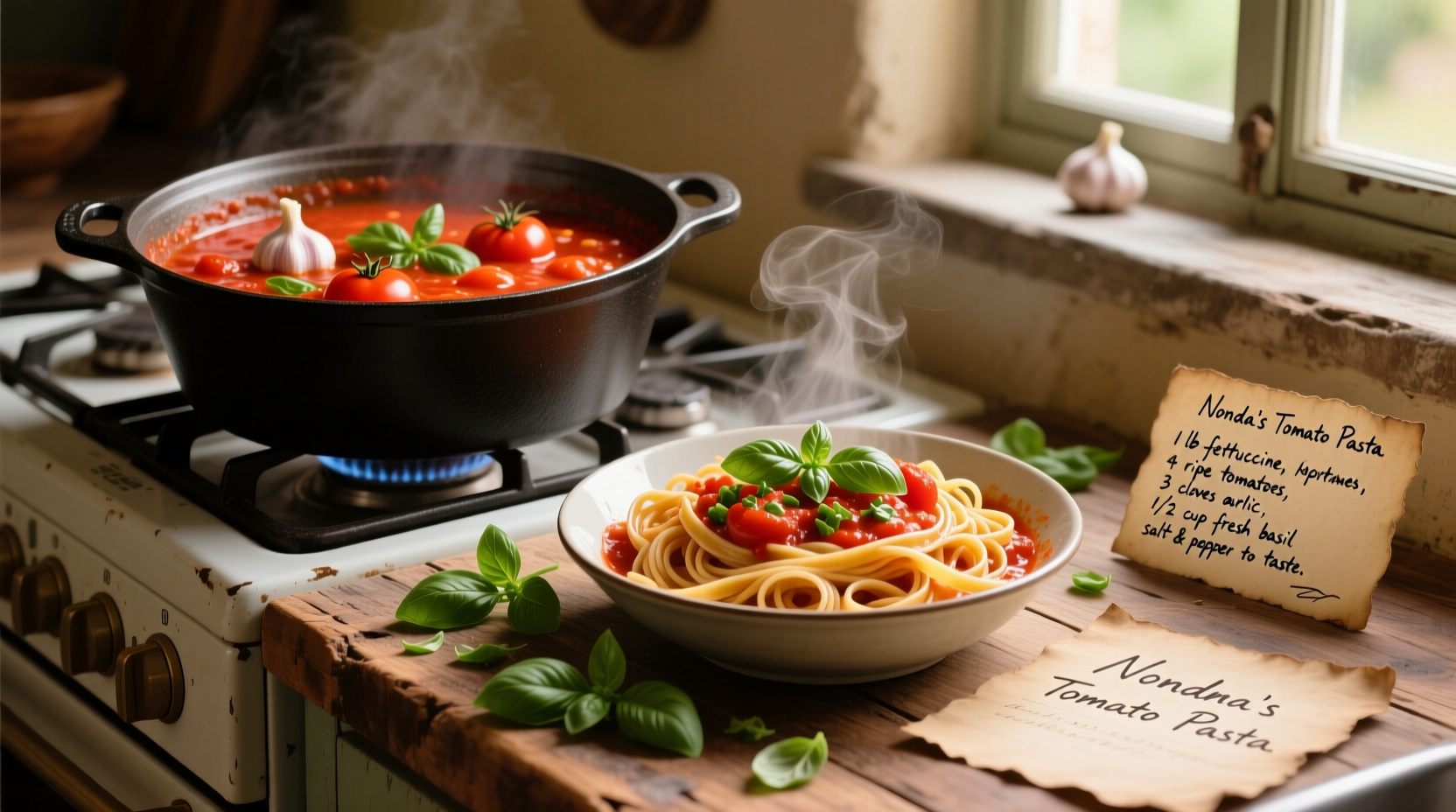
Nothing captures summer's essence like a simple fresh tomato pasta recipe. When tomatoes are at their peak, there's no need for jarred sauces or canned alternatives. This guide delivers restaurant-quality results with minimal ingredients but maximum flavor impact. The secret? Understanding how to work with fresh tomatoes' delicate balance of acidity and sweetness while maintaining their vibrant texture.
Why Fresh Tomatoes Outperform Canned for Summer Pasta
While canned tomatoes have their place in winter cooking, fresh varieties offer distinct advantages during peak season. The enzymatic activity in fresh tomatoes creates complex flavor compounds that heat processing destroys. According to agricultural research from the University of California Davis, vine-ripened tomatoes contain 30% more lycopene and higher volatile compounds when harvested at peak ripeness compared to early-picked varieties.
| Characteristic | Fresh Tomatoes (Peak Season) | Canned Tomatoes |
|---|---|---|
| Flavor Complexity | Higher volatile compounds, brighter acidity | Muted flavors from processing |
| Texture | Distinct layers, juicy pulp | Uniform, often mushy consistency |
| Nutrient Profile | Higher vitamin C, fresh enzymes | Increased lycopene bioavailability |
| Best For | Light pasta dishes, warm weather | Hearty sauces, cold months |
The Essential Fresh Tomato Pasta Ingredients
Quality ingredients make or break this simple dish. Here's what you need for authentic results:
- Tomatoes: 1.5 lbs (680g) ripe Roma or San Marzano tomatoes (choose varieties with lower water content)
- Pasta: 12 oz (340g) high-quality spaghetti or linguine (bronze-die extruded for better sauce adhesion)
- Garlic: 3 cloves, thinly sliced (not minced to prevent burning)
- Olive Oil: 3 tbsp premium extra-virgin (use a fruity variety)
- Basil: 8-10 fresh leaves, chiffonade cut
- Finishing: Flaky sea salt, freshly cracked black pepper, optional pecorino
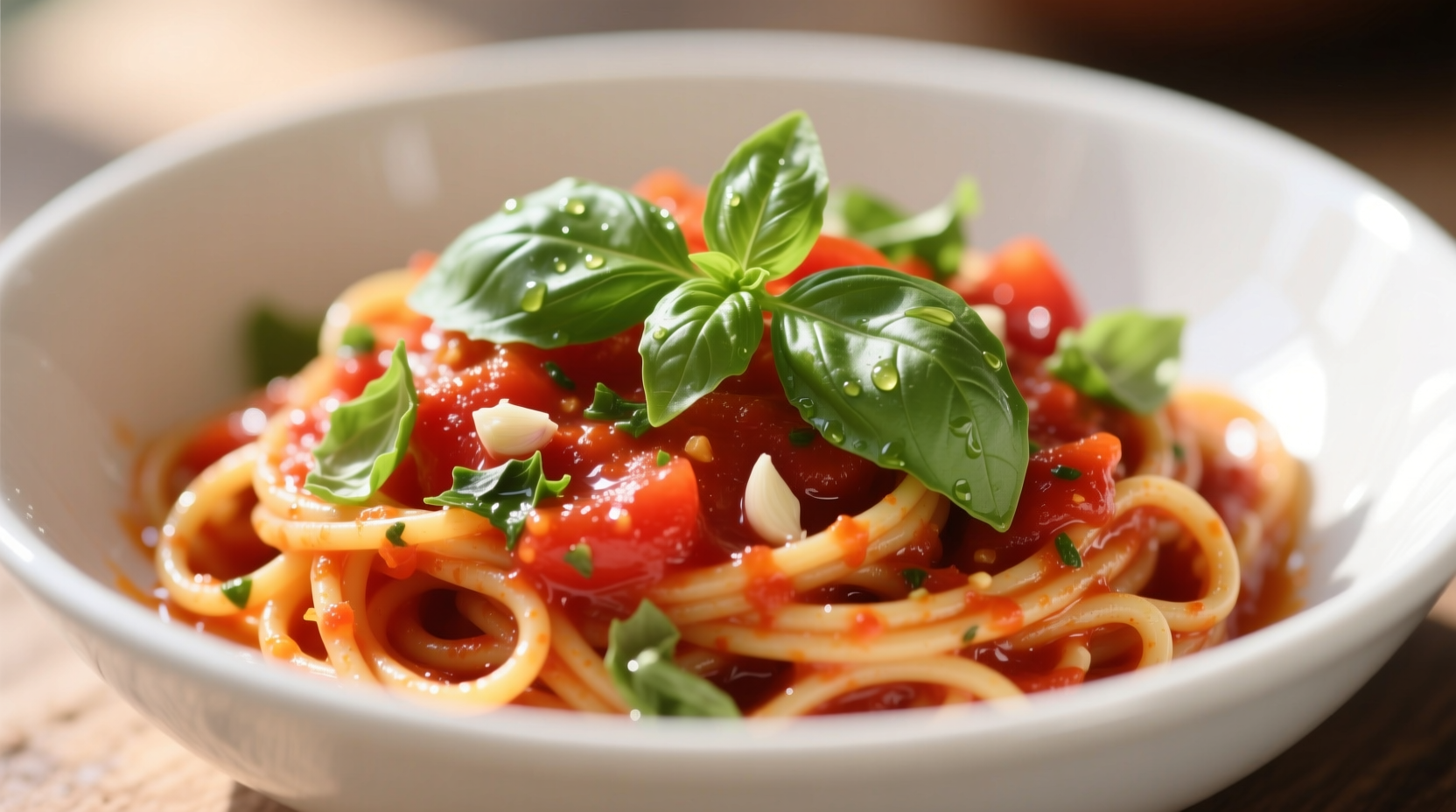
Step-by-Step Fresh Tomato Pasta Method
This technique preserves the tomatoes' fresh character while creating a cohesive sauce that clings perfectly to pasta:
- Prep tomatoes: Score an "X" on the bottom of each tomato. Blanch in boiling water for 30 seconds, then transfer to ice water. Peel skins and remove seeds. Chop pulp into 1/4-inch pieces.
- Cook pasta: Boil in well-salted water (use 2 tbsp salt per gallon) until al dente. Reserve 1.5 cups pasta water before draining.
- Build flavor base: Heat olive oil over medium-low. Add garlic and cook until fragrant (90 seconds) without browning. Add tomatoes, 1/4 tsp salt, and cook 8-10 minutes until pulp breaks down but maintains texture.
- Emulsify sauce: Add drained pasta to tomato mixture with 1/2 cup reserved pasta water. Toss vigorously over low heat 2-3 minutes until sauce coats noodles.
- Finish: Remove from heat. Stir in basil, additional salt to taste, and black pepper. Serve immediately with optional pecorino.
Avoid These Common Fresh Tomato Pasta Mistakes
Professional chefs consistently identify these pitfalls that ruin otherwise good fresh tomato pasta:
- Overcooking tomatoes: Fresh tomatoes need minimal cooking to preserve their bright flavor. More than 12 minutes destroys their delicate character.
- Using watery varieties: Beefsteak tomatoes release too much liquid. Stick with Romas, San Marzanos, or cherry tomatoes for better sauce consistency.
- Adding cheese to acidic sauces: The acid in fresh tomatoes can cause dairy to curdle. If using cheese, wait until plating and use pecorino instead of parmesan for better compatibility.
- Skipping pasta water: The starchy water is essential for creating an emulsified sauce that clings to noodles without becoming watery.
Seasonal Adaptations and Serving Suggestions
While peak summer offers the best tomatoes, this recipe adapts beautifully throughout the year:
- Early summer: When tomatoes are less sweet, add 1 tsp honey to balance acidity
- Late summer: Incorporate roasted cherry tomatoes for deeper flavor complexity
- Off-season: Use greenhouse-grown tomatoes with a pinch of sugar and fresh basil to compensate for lower flavor intensity
- Serving: Always serve immediately - fresh tomato pasta doesn't reheat well due to texture changes in the sauce
Frequently Asked Questions
Can I make fresh tomato pasta without garlic?
Yes, though garlic adds traditional depth. Substitute with 1/4 cup finely diced shallot cooked gently in olive oil until translucent. For a completely garlic-free version, add a pinch of red pepper flakes to enhance the tomatoes' natural sweetness.
How do I prevent my fresh tomato sauce from becoming watery?
Remove seeds and excess gel from tomatoes before cooking, as this contains most of the water. Cook sauce uncovered to allow evaporation, and always use the starch-rich pasta water to create a stable emulsion rather than adding plain water. Bronze-die pasta helps absorb excess moisture.
What's the best pasta shape for fresh tomato sauce?
Long, thin noodles like spaghetti or linguine work best as their surface area allows the chunky fresh tomato sauce to cling properly. Avoid very textured shapes like rigatoni that trap too much sauce, overwhelming the delicate fresh tomato flavor.
Can I prepare fresh tomato pasta ahead of time?
Fresh tomato pasta is best made and served immediately. The sauce's texture deteriorates quickly as tomatoes release more liquid. If necessary, prepare components separately (cook pasta, make sauce base) and combine just before serving for optimal results.




 浙公网安备
33010002000092号
浙公网安备
33010002000092号 浙B2-20120091-4