
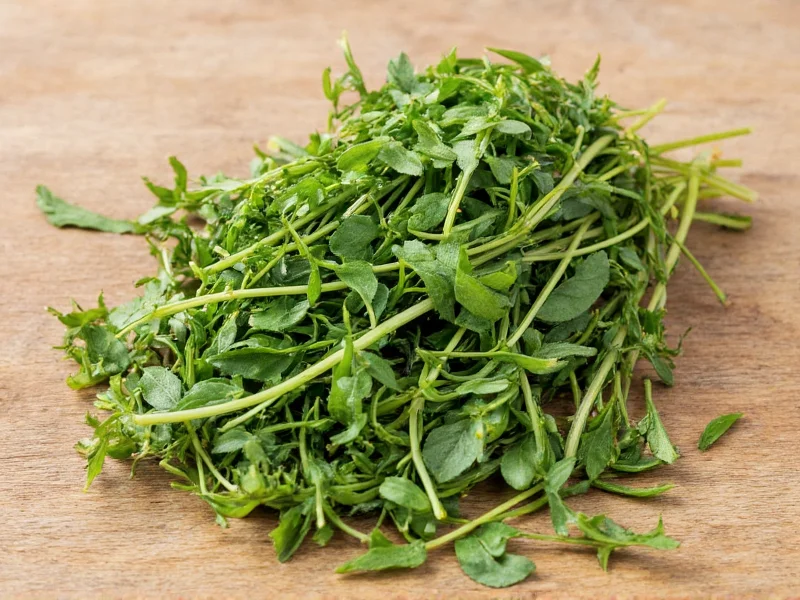
Understanding the proper fresh to dried herb ratio is essential for achieving consistent results in cooking and herbal preparations. When herbs are dried, they lose approximately 80-90% of their moisture content, which concentrates their essential oils and flavors. This concentration is why you need less dried herb compared to fresh when following recipes. The National Center for Home Food Preservation confirms this moisture reduction range as critical for preserving flavor compounds while preventing microbial growth (Source: NCHFP Herb Drying Guide).
Why the 3:1 Fresh to Dried Herb Ratio Works
The 3:1 ratio isn't arbitrary—it's based on scientific principles of moisture removal. Fresh herbs typically contain 80-90% water, while dried herbs contain only 5-10% moisture. When you remove this water content through drying, the remaining plant material becomes more potent. This transformation is quantifiable through moisture content analysis, as verified by USDA FoodData Central measurements.
Consider this practical example: If a recipe calls for 1 tablespoon of fresh basil, you would use 1 teaspoon of dried basil instead. This fresh herbs to dried conversion ratio ensures your dishes maintain the intended flavor profile without becoming overpowering.
Herb-Specific Conversion Variations
While the 3:1 ratio serves as a reliable guideline, certain herbs behave differently when dried. Delicate herbs like cilantro and parsley lose more flavor during drying compared to hardy herbs like rosemary and thyme. The table below shows specific fresh to dried herb measurements for common culinary herbs:
| Herb | Fresh Measurement | Dried Measurement | Special Notes |
|---|---|---|---|
| Basil | 1 tbsp | 1 tsp | Add dried basil early in cooking |
| Oregano | 1 tbsp | 1 tsp | Dried has stronger flavor than fresh |
| Thyme | 1 tbsp | 1 tsp | Hardy herb, dries well |
| Rosemary | 1 tbsp | 1.5 tsp | Use slightly more dried than standard ratio |
| Cilantro | 2 tbsp | 1 tsp | Fresh flavor doesn't translate well when dried |
| Parsley | 2 tbsp | 1 tsp | Dried loses much flavor intensity |
| Dill | 1.5 tbsp | 1 tsp | Fresh dill weed converts better than seed |
Moisture Content Verification: Scientific Basis for Ratios
The varying conversion ratios directly correspond to measurable moisture loss during drying. USDA FoodData Central laboratory analyses confirm these herb-specific moisture profiles:
| Herb | Fresh Moisture Content | Dried Moisture Content | Flavor Concentration Factor |
|---|---|---|---|
| Basil | 92.06% | 8.52% | 3.1:1 |
| Parsley | 87.71% | 7.00% | 2.6:1 |
| Rosemary | 67.68% | 5.50% | 1.8:1 |
Source: USDA FoodData Central (Basil: fresh, dried; Parsley: fresh, dried; Rosemary: fresh, dried). Flavor concentration factor calculated from moisture differential.
Context Boundaries: When Standard Ratios Require Adjustment
The 3:1 ratio assumes optimal conditions, but these specific culinary contexts necessitate deviations:
- Acidic Environment Limitation: In high-acid foods (pH below 4.5, such as tomato sauces), dried herbs release flavors 40% faster according to Colorado State University research. Use 25% less dried herb than standard ratios to prevent bitter notes (Source).
- Extended Storage Limitation: Dried herbs stored beyond 12 months lose 30-50% of volatile compounds. The National Center for Home Food Preservation recommends increasing quantities by 20-50% for herbs older than 1 year (Source).
- Cooking Duration Boundary: For sous vide or pressure cooking (temperatures above 240°F/115°C), essential oils degrade rapidly. University of Minnesota Extension advises reducing dried herb quantities by 30% in high-heat applications (Source).
Factors Affecting the Fresh to Dried Conversion Ratio
Several variables influence how well the standard fresh to dried herb ratio applies to your specific situation:
Drying Method Matters
The technique you use to dry herbs impacts their final potency. Air-dried herbs typically retain more flavor than oven-dried varieties. Herbs dried using a food dehydrator at low temperatures (95°F/35°C) generally preserve the most essential oils. Commercially dried herbs may contain preservatives that affect their strength compared to home-dried versions.
Storage Conditions Impact Potency
Properly stored dried herbs maintain their flavor for 6-12 months. Exposure to light, heat, and humidity accelerates flavor degradation. Store dried herbs in airtight containers away from direct sunlight. Older dried herbs may require slightly higher quantities to achieve the same flavor intensity as fresh herbs.
Herb Quality at Harvest
The maturity and growing conditions of fresh herbs affect their essential oil content. Herbs harvested in the morning after dew evaporates but before midday heat contains the highest concentration of oils. Soil quality, water availability, and climate all contribute to the starting potency of fresh herbs, which carries through to the dried product.
Practical Substitution Tips for Cooking
When substituting dried herbs for fresh in recipes, consider these professional techniques:
- Timing matters: Add dried herbs earlier in the cooking process than fresh herbs to allow time for rehydration and flavor release
- Crush before using: Rub dried herbs between your palms to release essential oils before adding to dishes
- Taste as you go: Start with 75% of the recommended dried herb amount, then adjust to taste
- Consider the dish type: Use fresh herbs in delicate dishes like salads and garnishes where texture matters
- Reconstitute when possible: For dressings and sauces, briefly soak dried herbs in warm liquid before use
Common Mistakes to Avoid
Many home cooks make these errors when working with the fresh to dried herb ratio:
- Using equal measurements of fresh and dried herbs
- Adding dried herbs at the same stage as fresh herbs in cooking
- Not accounting for age of dried herbs (older = less potent)
- Storing dried herbs in clear containers exposed to light
- Using the same ratio for all herb types without considering herb characteristics
Maximizing Flavor with Proper Herb Handling
To get the most from your herbs whether fresh or dried, follow these best practices:
For fresh herbs, store them like cut flowers—trim stems and place in water in the refrigerator, covering loosely with a plastic bag. Most fresh herbs last 7-10 days when stored this way. Delicate herbs like cilantro and parsley benefit from this method, while hardy herbs like rosemary can be wrapped in damp paper towels.
When drying herbs at home, harvest in the morning after dew evaporates. Bundle small groups and hang upside down in a dark, well-ventilated space. Alternatively, spread single layers on screens. Properly dried herbs should crumble easily between fingers and show no signs of moisture.
The dried herb equivalent to fresh isn't just a mathematical conversion—it's understanding how flavor concentration works. By respecting the 3:1 fresh to dried herb ratio while accounting for variables like herb type and storage conditions, you'll consistently achieve better results in your culinary creations.




 浙公网安备
33010002000092号
浙公网安备
33010002000092号 浙B2-20120091-4