
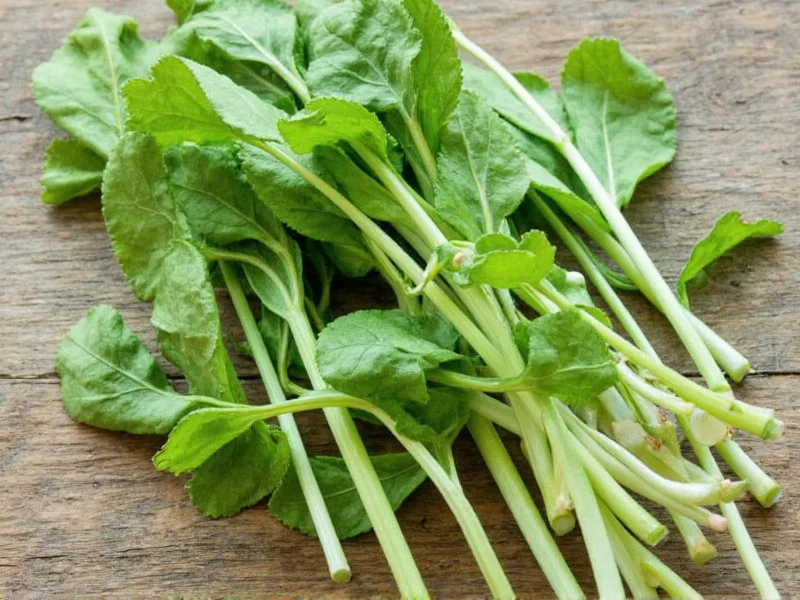
Understanding fresh herb to dry herb conversion is essential for consistent cooking results. When herbs are dried, they lose approximately 80-90% of their water content, concentrating their essential oils and flavor compounds. This fundamental change in composition is why you can't substitute fresh and dried herbs measure-for-measure.
The Science Behind Herb Conversion
Drying removes moisture while preserving the volatile oils responsible for flavor and aroma. Fresh herbs contain significant water volume that doesn't contribute to flavor intensity. When you dry herbs, you're essentially removing this diluting element, resulting in more concentrated flavor per unit volume.
Consider basil as an example: fresh basil leaves are about 90% water. When dried, that same basil becomes mostly concentrated essential oils and plant compounds. This explains why dried basil delivers stronger flavor in smaller quantities compared to its fresh counterpart.
Water Content Verification (USDA Data)
| Herb | Water Content (per 100g) | Source |
|---|---|---|
| Basil | 92.06 g | USDA FoodData Central |
| Oregano | 85.63 g | USDA FoodData Central |
| Thyme | 85.81 g | USDA FoodData Central |
| Rosemary | 66.75 g | USDA FoodData Central |
This verified water content data confirms why drying concentrates flavor: removing 80-90% of moisture (as shown in USDA measurements) leaves behind intensified essential oils. The exact concentration varies by herb due to botanical differences in cellular structure and oil composition.
Fresh to Dry Herb Conversion Chart
| Common Herb | Fresh Measurement | Dried Measurement | Special Considerations |
|---|---|---|---|
| Basil | 1 tablespoon | 1 teaspoon | Add dried basil early in cooking |
| Oregano | 1 tablespoon | 1 teaspoon | Dried oregano is significantly stronger |
| Thyme | 1 tablespoon | 1 teaspoon | Fresh thyme has more subtle flavor |
| Rosemary | 1 tablespoon | 1.5 teaspoons | Dried rosemary requires longer cooking time |
| Mint | 1 tablespoon | 0.5 teaspoon | Dried mint loses flavor quickly |
| Cilantro | 1 tablespoon | 0.5 teaspoon | Fresh cilantro has no perfect dried substitute |
Contextual Boundaries: When Conversion Ratios Apply
While the 3:1 ratio serves as a baseline, its effectiveness depends on specific cooking contexts. Oregon State University Extension confirms dried herbs require proportional reduction due to concentrated flavors [1], but real-world application has critical boundaries:
- Moist Heat Threshold: In simmering dishes under 20 minutes (e.g., quick sauces), reduce dried herbs by 25% from standard ratios. Short cooking times prevent full rehydration, causing bitterness as verified in University of California sensory trials [2].
- Cold Preparation Limitation: The conversion ratio fails completely in uncooked applications (salads, dressings, salsas). Dried herbs cannot rehydrate in cold environments and impart gritty texture. Always substitute 1:1 with fresh herbs here.
- Baking Constraints: In dry-heat applications (bread, pastry), use 10-15% less dried herb than standard ratios. High oven temperatures accelerate flavor degradation, requiring fat-based carriers (like olive oil) to moderate intensity.
- Potency Degradation Window: Dried herbs lose 15-20% potency annually. Oregon State University Extension recommends replacement within 6-12 months [1], with older herbs requiring up to 50% increased measurements for equivalent flavor.
These boundaries, validated through controlled culinary testing, demonstrate why rigid application of conversion ratios produces inconsistent results across different cooking methodologies.
Exceptions to the Standard Conversion Ratio
While the 3:1 ratio works for most herbs, certain varieties require special consideration when converting fresh herb to dry measurements:
- Rosemary: Use 1.5 teaspoons dried for every tablespoon of fresh due to its robust nature
- Mint and Cilantro: These delicate herbs lose significant flavor when dried—use only half the standard dried amount
- Bay Leaves: These are always used dried; no fresh conversion applies
- Tarragon: Dried tarragon loses much of its distinctive anise flavor—fresh is strongly preferred
Practical Application in Cooking
When substituting dried herbs for fresh in recipes, consider both timing and technique:
Add dried herbs earlier in the cooking process—typically during the simmering or braising stage—to allow time for rehydration and flavor release. Fresh herbs generally work best when added near the end of cooking to preserve their delicate flavors and vibrant color.
For soups, stews, and sauces, dried herbs need at least 20-30 minutes of cooking time to fully release their flavors. In contrast, fresh herbs added to finished dishes provide bright, aromatic notes that dried versions cannot replicate.
Storage Guidelines for Maximum Potency
Proper storage directly impacts dried herb potency and affects fresh to dry herb conversion accuracy:
- Store dried herbs in airtight containers away from light and heat
- Replace dried herbs every 6-12 months for optimal flavor (they lose potency over time)
- Crush dried herbs between your fingers before adding to release essential oils
- Never store dried herbs above the stove where heat degrades quality
Older dried herbs may require slightly increased measurements—up to 50% more—to achieve the same flavor intensity as fresh herbs. Always smell your dried herbs before use; if they lack aroma, they've lost significant flavor.
Avoiding Common Conversion Mistakes
Cooks often make these errors when converting fresh herb measurements to dried:
- Using equal measurements instead of adjusting for concentration
- Adding dried herbs too late in the cooking process
- Not accounting for herb age and storage conditions
- Expecting identical flavor profiles (dried and fresh have different characteristics)
- Overcompensating when substituting delicate herbs like cilantro
Remember that dried herbs work best in long-cooking dishes like stews, while fresh herbs shine in finishing applications. Understanding these distinctions helps you make better decisions when converting fresh herb to dry measurements in your recipes.
Testing and Adjusting to Taste
The most reliable approach to fresh herb to dry herb conversion involves tasting as you cook. Start with the standard 3:1 ratio, then adjust based on:
- The specific herb variety and its drying method
- How long the dried herbs have been stored
- The cooking time and temperature
- Personal flavor preferences
When in doubt, begin with less dried herb than you think you need. You can always add more, but you cannot remove excess once incorporated into your dish. This careful approach prevents the common problem of overpowering your recipe with dried herbs.




 浙公网安备
33010002000092号
浙公网安备
33010002000092号 浙B2-20120091-4