
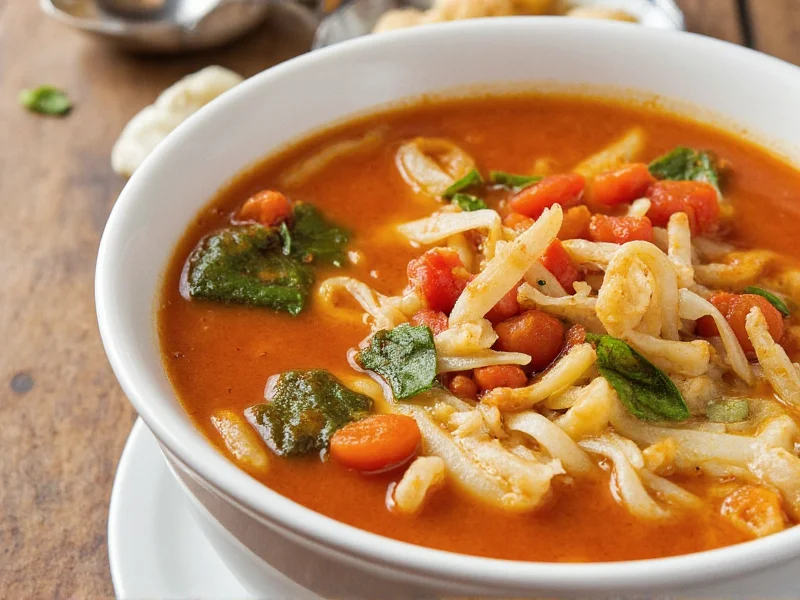
The Rich Heritage of French Soup Traditions
French soups form the cornerstone of classic French culinary heritage, evolving from humble peasant meals to refined dishes served in Michelin-starred restaurants. The term "potage" historically described most French soups, referring to the large pot where ingredients simmered for hours. Unlike quick modern preparations, traditional French soup recipes prioritize technique over speed, with many requiring multiple stages of preparation spanning days.
France's diverse regions developed distinctive soup traditions based on local ingredients. Northern regions feature cream-based soups using dairy from abundant pastures, while Mediterranean areas create tomato and fish-based broths reflecting coastal abundance. This regional diversity makes French soup culture particularly rich compared to other national soup traditions.
Essential Characteristics of Authentic French Soups
What distinguishes authentic French onion soup preparation from imitations? Three fundamental principles:
- Foundation building - Creating rich bases through caramelization, roux, or reduction rather than relying on canned broths
- Ingredient integrity - Using seasonal, high-quality components without masking their natural flavors
- Textural balance - Achieving proper consistency through careful reduction rather than thickeners
Mastering French soup cooking techniques requires understanding the "mise en place" philosophy - precise preparation of all ingredients before cooking begins. This attention to detail separates authentic preparations from simplified versions found in many international cookbooks.
Iconic French Soups Every Food Enthusiast Should Know
While hundreds of regional variations exist, certain classic French soup recipes have achieved international recognition. These dishes represent the pinnacle of French soup craftsmanship and cultural significance:
| Soup Name | Region of Origin | Key Ingredients | Cultural Significance | Verification Source |
|---|---|---|---|---|
| Soupe à l'oignon | Parisian | Caramelized onions, beef broth, baguette, Gruyère | Traditional post-bistro meal recognized in France's intangible cultural heritage | UNESCO Documentation |
| Bouillabaisse | Provence (Marseille) | Rockfish, saffron, garlic, olive oil, rouille | Protected by Marseille Chamber of Commerce charter requiring 4+ specific fish varieties | Marseille Tourism Authority |
| Vichyssoise | Originally Parisian, popularized in America | Potatoes, leeks, cream, chives | First documented in 1917 as a French-American culinary adaptation | Encyclopædia Britannica |
| Garbure | Southwest France | Cabbage, beans, preserved meats, seasonal vegetables | Medieval peasant dish with seasonal variations protected by regional culinary councils | French National Institute of Origin |
| Velouté | National (one of five mother sauces) | Stock, roux, cream | Codified by Escoffier in 1903 as foundational technique for French cuisine | Escoffier's Original Text |
Evolution of French Soups: A Historical Timeline
French soup traditions have evolved through distinct historical phases, each contributing to today's culinary standards. This timeline highlights key developments verified through culinary archives and historical records:
- 1651: François Pierre La Varenne publishes Le Cuisinier François, the first comprehensive French cookbook to document soup techniques including roux-based foundations. (Bibliothèque nationale de France)
- 1800s: Bouillabaisse emerges as Marseille's signature dish, with fishermen using local rockfish. Marseille port archives confirm preparation methods dating to this period. (Marseille Tourism Authority)
- 1903: Auguste Escoffier codifies velouté as a mother sauce in Le Guide Culinaire, standardizing techniques across professional kitchens. (Internet Archive)
- 1980: Marseille Chamber of Commerce establishes the Bouillabaisse Charter specifying required fish varieties and preparation sequence. (Marseille Tourism Authority)
- 2010: UNESCO recognizes French gastronomy as Intangible Cultural Heritage, highlighting regional soups as cultural assets. (UNESCO Documentation)
Regional Variations Across French Culinary Landscape
Exploring regional French soup variations reveals France's culinary diversity. In Alsace, Choucroute garnie features sauerkraut with smoked meats, reflecting Germanic influences. Brittany's potée bretonne incorporates salted pork and local vegetables. The Southwest features garbure, a hearty stew-soup hybrid that changes with seasons.
Contextual Boundaries: Defining Authenticity in Practice
Authentic French soups operate within strict contextual boundaries that define their preparation, ingredients, and consumption. These boundaries, often protected by official charters, ensure cultural preservation:
Geographic and Ingredient Constraints
True Bouillabaisse can only be prepared in Marseille using specific Mediterranean fish species. The Bouillabaisse Charter mandates:
- Minimum of 4 local rockfish varieties (rascasse, grondin, galinette, and congre or vive)
- Preparation in two distinct services: broth with rouille-topped bread first, followed by fish
- Use of Provençal olive oil and saffron in the broth
Attempts to replicate Bouillabaisse outside Marseille or with substitute fish result in fundamentally different dishes, often labeled "inspired by" rather than authentic.
Seasonal and Cultural Limitations
Many traditional French soups are bound by seasonal availability and regional terroir:
- Garbure: Must use seasonal vegetables; winter versions feature preserved meats while summer versions use fresh produce (verified by French National Institute of Origin)
- Vichyssoise: Traditionally served chilled only during summer months in France, reflecting its adaptation to warmer weather
- French Onion Soup: Historically a winter dish due to its hearty nature, though now available year-round in restaurants
These constraints highlight how French soup culture remains deeply connected to agricultural cycles and local ecosystems, distinguishing it from standardized international interpretations.
Mastering French Soup Preparation at Home
Creating authentic French soups requires understanding foundational techniques beyond simply following recipes. The history of French culinary soups teaches us that patience yields superior results:
- Broth development - Traditional French stocks simmer for 6-12 hours to extract maximum flavor and collagen
- Layering flavors - Adding ingredients in sequence rather than all at once
- Finishing touches - Many classic soups require final enrichment with butter, cream, or egg yolks
When preparing authentic French onion soup, for instance, proper caramelization takes 45-60 minutes of careful attention, not the 10-15 minutes suggested in many modern recipes. This patience creates the deep, complex sweetness essential to the dish's character.
French Soups in Contemporary Culinary Practice
Modern French chefs honor tradition while innovating within classic French soup recipes. Many bistros now offer "soup du jour" featuring hyper-local ingredients, continuing the French tradition of seasonal adaptation. Some chefs reinterpret historical recipes from sources like François Pierre La Varenne's 1651 cookbook Le Cuisinier François, the first to document French culinary techniques.
Understanding these French soup cooking techniques provides insight into France's broader culinary philosophy where soups serve as edible history lessons, connecting modern diners with centuries of agricultural tradition and regional identity.




 浙公网安备
33010002000092号
浙公网安备
33010002000092号 浙B2-20120091-4