
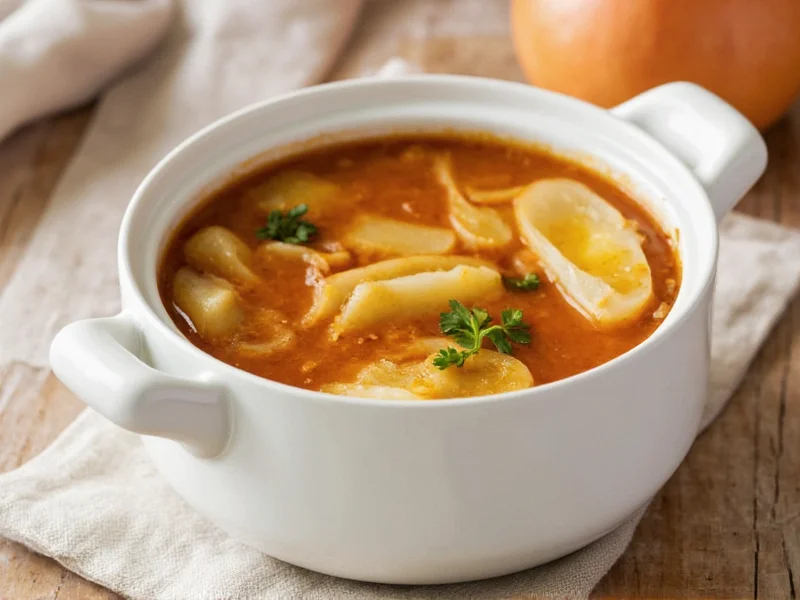
When serving authentic French onion soup, the right bowl isn't just about presentation—it's a functional necessity. Traditional French onion soup undergoes a final broiling step that melts Gruyère cheese over toasted baguette slices, creating the signature golden crust. This process demands cookware that won't crack under extreme temperature changes. Most standard soup bowls can't handle this thermal shock, making material selection critical for both safety and culinary success.
Why Specialized Bowls Matter for French Onion Soup
Unlike regular soup service, French onion soup preparation involves finishing the dish tableside or in the oven after initial cooking. The dramatic temperature transition from simmering soup (around 180°F) to broiler heat (450-500°F) creates significant thermal stress. Using inappropriate cookware can lead to dangerous shattering, ruined meals, and potential injury. Authentic French brasseries almost exclusively use thick-walled ceramic crocks specifically designed for this purpose.
Essential Material Characteristics
The best ceramic bowls for French onion soup share specific material properties that withstand the dish's unique preparation method. Not all ceramics are created equal when it comes to thermal resistance. High-quality stoneware and porcelain blends provide the necessary durability for repeated broiling.
| Material Type | Heat Resistance | Thermal Shock Resistance | Best For French Onion Soup? |
|---|---|---|---|
| Vitrified Stoneware | 500°F+ | Excellent | Yes – ideal choice |
| Traditional Ceramic | 350-400°F | Moderate | Limited use |
| Porcelain | 450°F | Good | Yes, with caution |
| Tempered Glass | 400°F | Poor | No – high shatter risk |
| Melamine | 200°F | None | No – melts under heat |
Optimal Size and Shape Considerations
Traditional French onion soup bowls follow specific dimensional guidelines that enhance both functionality and presentation. The standard size ranges from 12-16 ounces, accommodating the soup base plus the substantial cheese and bread topping. Bowls that are too large dilute the cheese-to-soup ratio, while undersized vessels cause overflow during broiling.
Look for bowls with these critical design features:
- Wide rim (1.5-2 inches) – supports the baguette slice and cheese cap without sliding
- Straight or slightly tapered sides – facilitates even cheese melting and prevents bread from falling in
- Flat bottom – ensures stability on serving trays and under broilers
- Comfortable handles – essential when serving at 400°F+ temperatures
Safety First: Avoiding Common Hazards
Using improper french onion soup bowls creates genuine safety risks. Many home cooks mistakenly use regular porcelain or glass bowls that cannot withstand thermal shock. When liquid at 180°F meets a broiler's 500°F heat, the rapid expansion can cause catastrophic failure. Always verify your bowls are explicitly labeled “oven-safe” and “broiler-safe”—not just “microwave-safe.”
Professional kitchens follow these safety protocols:
- Preheat bowls with warm water before adding hot soup
- Avoid placing cold bowls directly under intense heat
- Never use bowls with hairline cracks or glaze imperfections
- Maintain at least 1 inch clearance between cheese topping and heating element
Care and Maintenance Guidelines
Proper french onion soup bowl care instructions extend their lifespan and maintain safety. Hand washing remains preferable to dishwasher use, as repeated high-heat cycles degrade thermal resistance over time. Avoid sudden temperature changes—never place a hot bowl on a cold surface or in cold water.
For stubborn cheese residue, soak bowls in warm, soapy water before gentle scrubbing with non-abrasive pads. Never use metal utensils that can scratch the glaze, creating weak points for future thermal stress. Store bowls with protective padding between them to prevent rim chipping.
Traditional vs. Modern Bowl Options
Authentic French brasseries typically use simple, unadorned white stoneware crocks that prioritize function over form. These traditional french onion soup crocks feature thick walls (1/4 inch or more) and minimal decoration that might compromise structural integrity. Modern interpretations sometimes incorporate colored glazes or decorative elements, but these often reduce thermal resistance.
When selecting bowls, prioritize functionality over aesthetics. The most reliable options maintain the classic French design principles that have evolved through decades of culinary practice. Look for bowls with the “French onion soup” designation rather than generic “soup crocks,” as the former specifically address the thermal requirements of this dish.
Common Selection Mistakes to Avoid
Many home cooks make critical errors when choosing french onion soup bowls. The most frequent mistake involves assuming all “oven-safe” ceramics can handle broiler temperatures—many tolerate oven heat but fail under direct radiant broiling. Another common error is selecting oversized bowls that require excessive cheese and bread, altering the dish's traditional balance.
Remember that decorative rims or thin walls may look elegant but compromise functionality. The ideal french onion soup bowl serves as a practical cooking vessel first and a serving piece second. When in doubt, consult professional kitchen supply specifications rather than standard dinnerware guidelines.
Final Considerations
Selecting appropriate french onion soup bowls represents an essential element of authentic preparation. The right vessel ensures both safety during the dramatic broiling process and proper presentation of this classic dish. When shopping for french onion soup crocks, prioritize thermal resistance, appropriate sizing, and functional design over purely aesthetic considerations. Investing in proper cookware transforms this beloved French bistro classic from a potentially hazardous experiment into a reliably impressive culinary achievement that honors the dish's rich tradition while meeting modern safety standards.




 浙公网安备
33010002000092号
浙公网安备
33010002000092号 浙B2-20120091-4