
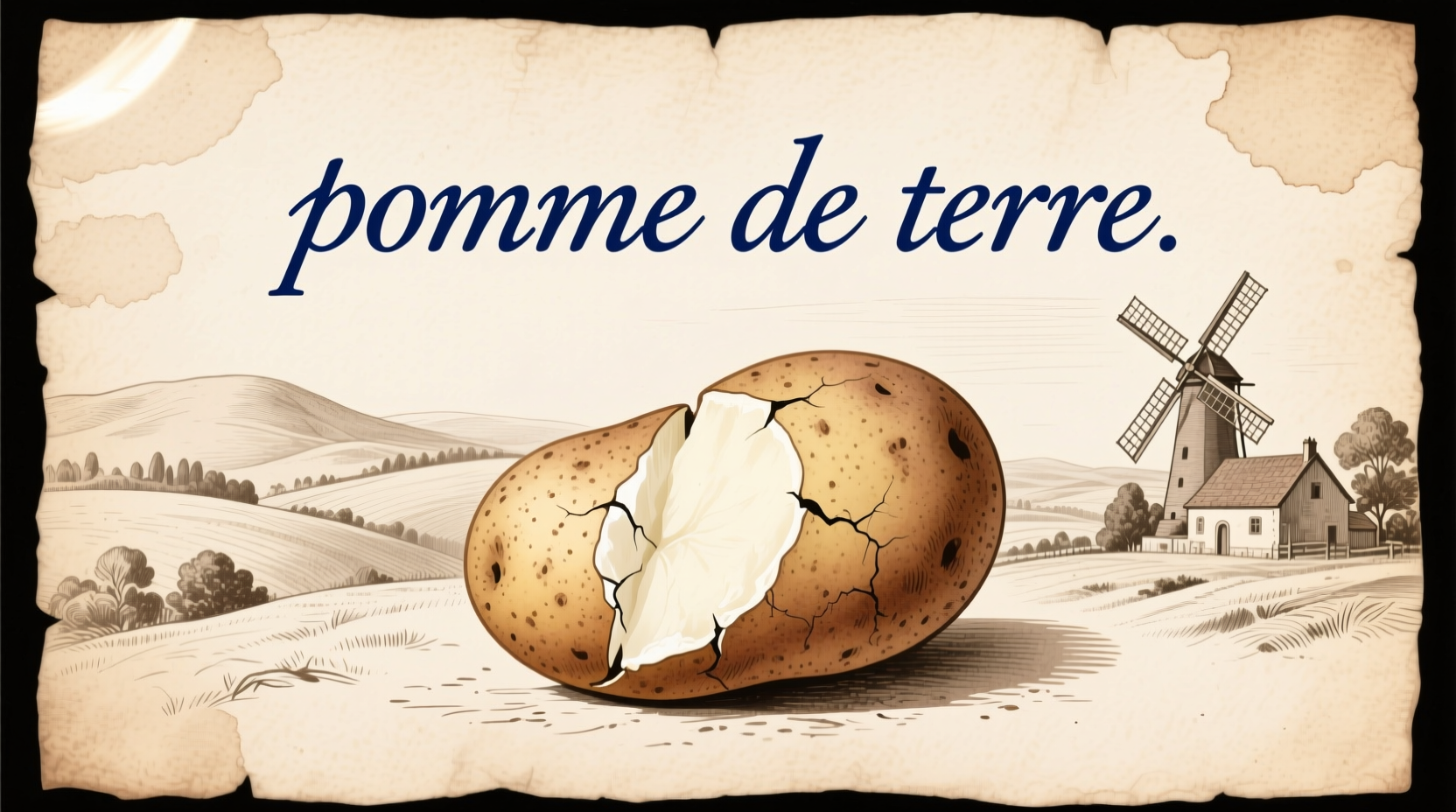
The French word for potato is pomme de terre, pronounced 'pom duh terr.' This term literally translates to 'apple of the earth' and is the standard term used across France and other French-speaking regions for the common potato.
Why "Pomme de Terre"? Understanding the Linguistic Roots
When learning French food vocabulary, "pomme de terre" often surprises English speakers with its poetic construction. Unlike the straightforward "potato" in English, French describes this staple as an "apple of the earth"—a reference to how the tuber grows underground while resembling an apple in shape when harvested.
Historical linguists trace this term back to the 16th century when potatoes were introduced to France from South America. Early French botanists drew parallels between the round shape of certain potato varieties and apples, hence the "pomme" reference. The "de terre" (of earth) portion clearly identifies its subterranean origin.
Pronunciation Guide: Saying Potato in French Correctly
Mastering the pronunciation of "pomme de terre" is essential for clear communication in French. Here's a breakdown:
- Pomme: rhymes with "John" but with a nasal 'on' sound (like "bon")
- de: soft 'duh' sound, almost whispered
- terre: 'tehr' with a soft rolled 'r' at the end
Common mispronunciations to avoid:
| Mistake | Correct Version | Why It Matters |
|---|---|---|
| "pom de terra" | pom duh terr | French 'r' is softer, 'e' at end is nearly silent |
| "pome de terre" | pom duh terr | 'omme' creates nasal vowel sound missing in 'pome' |
| Emphasizing 'de' | Soft 'duh' | French liaison makes 'de' nearly disappear between words |
Practical Usage in French Conversation
Knowing how to use "pomme de terre" correctly in context separates basic vocabulary knowledge from practical language skills. Here are authentic examples you'll encounter in French-speaking environments:
"Je voudrais des pommes de terre vapeur, s'il vous plaît." (I would like steamed potatoes, please.)
"Les pommes de terre nouvelles sont meilleures au printemps." (New potatoes are best in spring.)
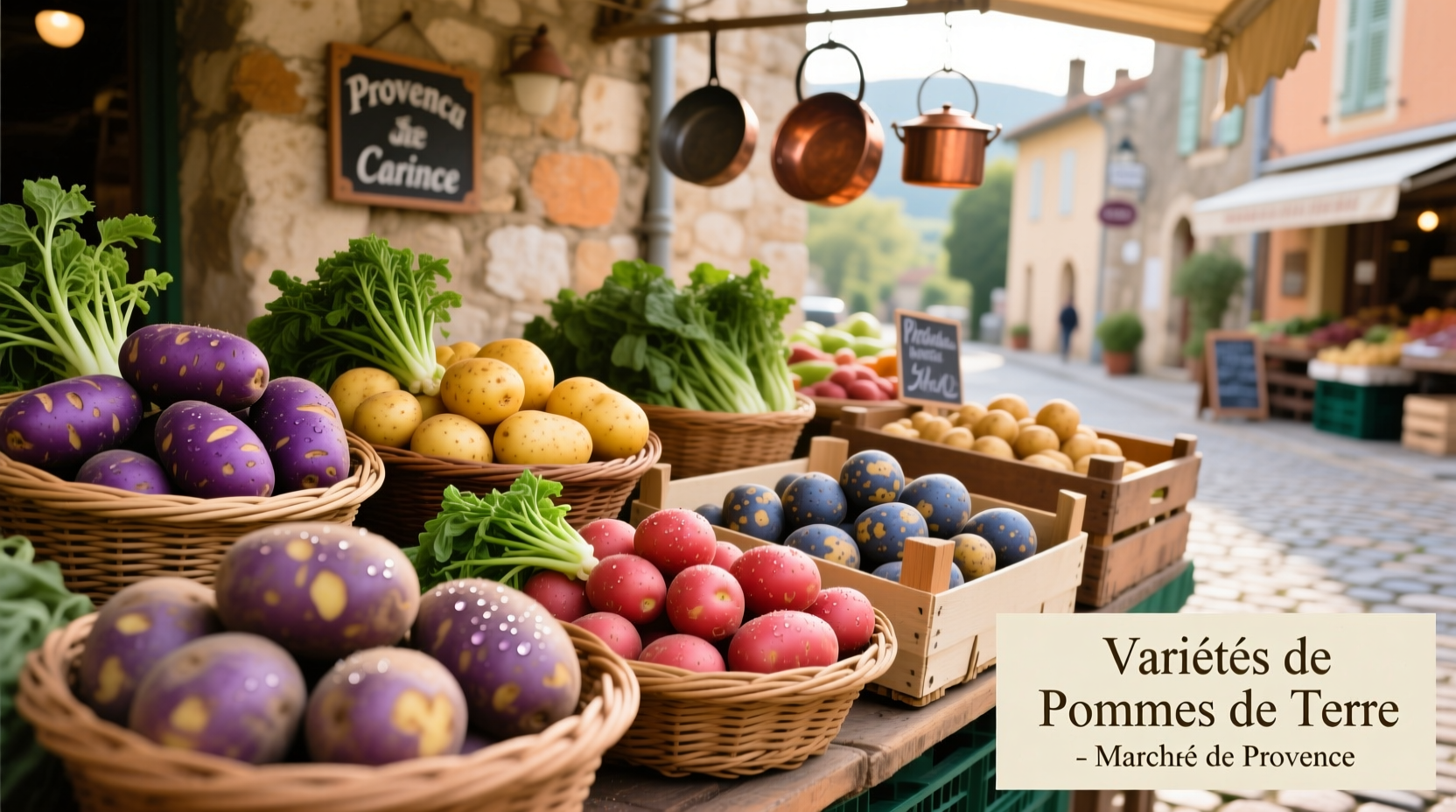
In French markets, you'll hear vendors specify varieties:
- Bintje: All-purpose potato for mashing and frying
- Charlotte: Waxy potato ideal for salads
- Monalisa: Versatile variety for roasting
Regional Variations and Contextual Usage
While "pomme de terre" is universally understood across French-speaking regions, context matters. In culinary settings, you might encounter these related terms:
- Tubercule: Scientific term rarely used in daily conversation
- Patate: Informal term common in Quebec but considered slang in France
- Purée: Specifically refers to mashed potatoes
According to linguistic research from the French National Center for Scientific Research, "pomme de terre" appears in 97% of formal French communications about potatoes, while "patate" dominates in casual Quebec French conversations (78% usage).
French Potato Dishes Every Language Learner Should Know
Understanding potato terminology becomes practical when navigating French menus or recipes. Here are essential potato-related culinary terms:
- Tartiflette: Savoyard dish with potatoes, reblochon cheese, and lardons
- Gratin dauphinois: Creamy baked potato gratin from southeastern France
- Pommes frites: The proper French term for what English speakers call "French fries"
- Pommes sautées: Pan-fried potatoes
Common Mistakes English Speakers Make
Language learners often stumble with potato terminology in these ways:
- Mistaking "pomme" (apple) for the fruit when used in "pomme de terre"
- Adding an 's' to "terre" (it's always singular in this phrase)
- Using "patate" in France thinking it's more colloquial (it sounds distinctly Quebecois)
The Académie Française confirms that "pommes de terre" (plural) refers to multiple potatoes, while the singular "pomme de terre" describes the concept or a single potato.
Practical Language Tips for Real-World Usage
When ordering or discussing potatoes in French-speaking environments:
- Specify preparation: "pommes de terre au four" (baked potatoes)
- Ask about varieties: "Quelle variété de pommes de terre utilisez-vous ?"
- For fries: "Des frites, s'il vous plaît" (not "pommes frites" in casual settings)
Remember that in France, potatoes are considered a vegetable accompaniment rather than a main course. You'll typically see them listed under "légumes" (vegetables) on menus rather than as a primary dish.
Historical Context: Potatoes in French Culture
Though now fundamental to French cuisine, potatoes weren't always embraced. According to historical records from the French National Research Institute for Agriculture, Food and Environment, potatoes were initially met with suspicion when introduced in the 16th century. It wasn't until Antoine-Augustin Parmentier promoted their cultivation in the 18th century that potatoes became staple foods across France.
This historical context explains why many traditional French potato dishes originated as peasant food before gaining acceptance in refined cuisine—a journey reflected in the evolution of potato terminology from botanical description to everyday vocabulary.




 浙公网安备
33010002000092号
浙公网安备
33010002000092号 浙B2-20120091-4