
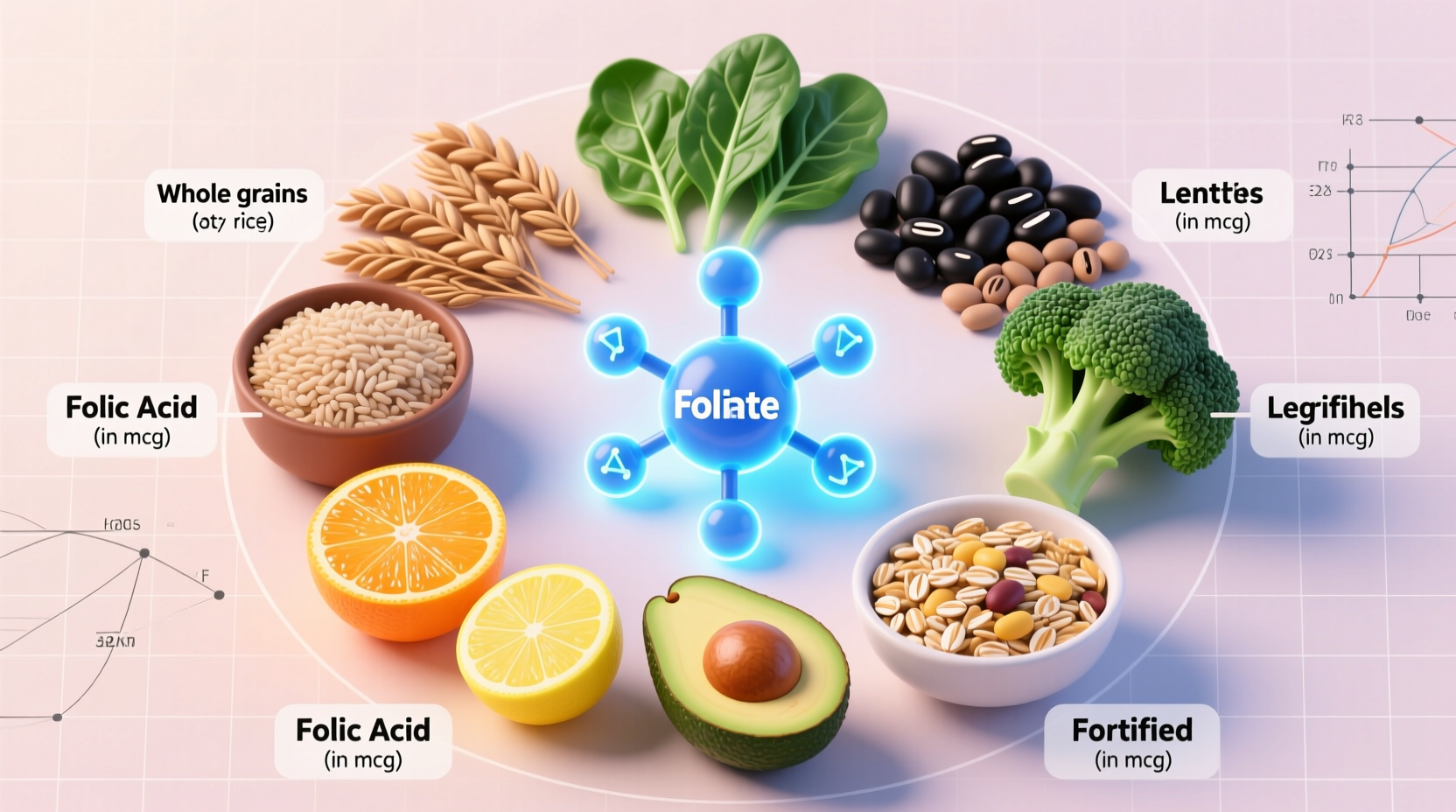
Discovering natural sources of folic acid is essential for maintaining optimal health, especially during pregnancy and for preventing certain birth defects. While supplements are common, getting this crucial B vitamin from whole foods offers additional nutritional benefits and better bioavailability in many cases.
Why Natural Food Sources Beat Supplements
When you consume folate from whole foods, you're not just getting vitamin B9—you're getting a complete nutritional package. Whole food sources provide natural folate (not synthetic folic acid), along with fiber, antioxidants, and other complementary nutrients that enhance absorption and utilization.
According to the National Institutes of Health, natural folate from foods has approximately 50% higher bioavailability than synthetic folic acid found in supplements and fortified foods. This means your body can use more of the vitamin when it comes from whole food sources.
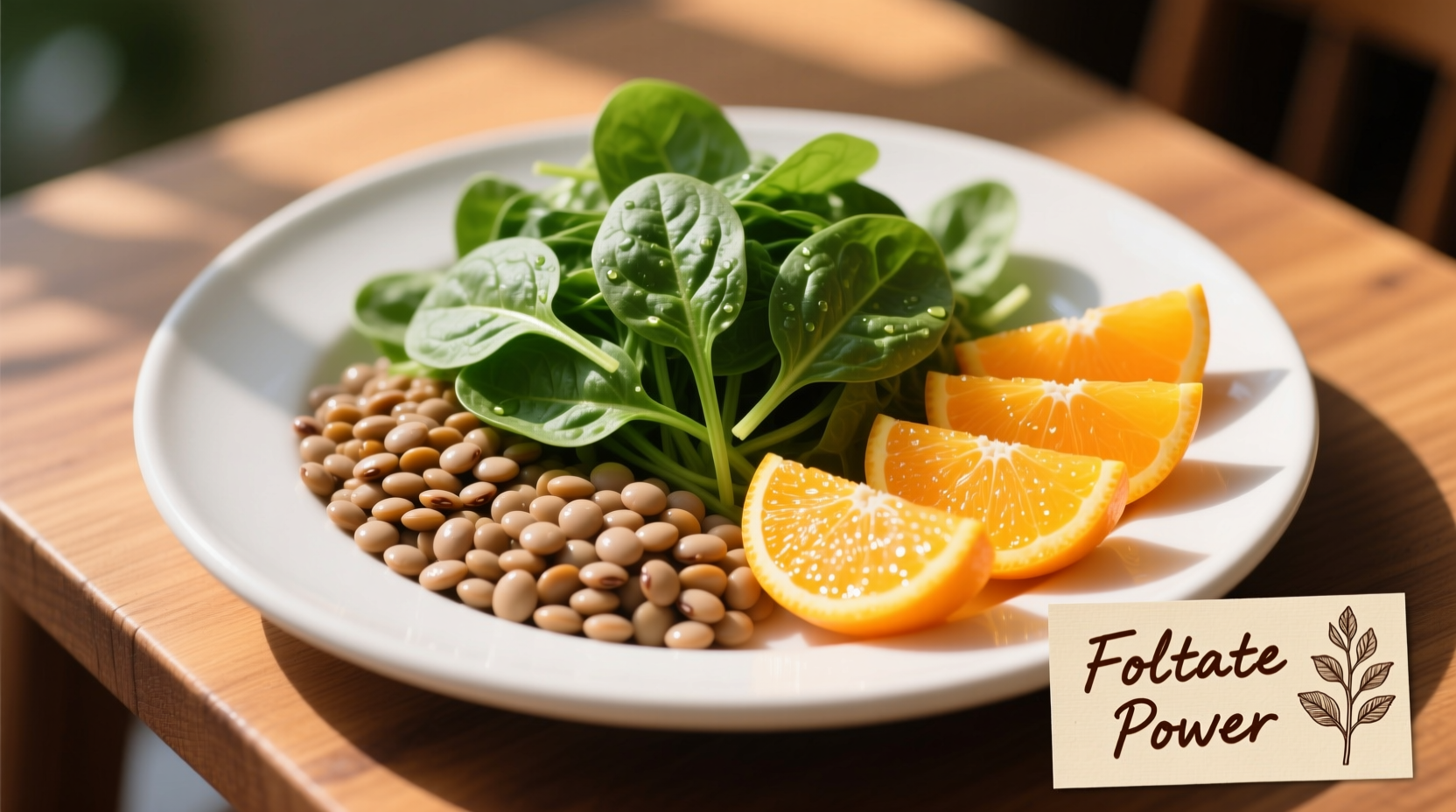
Top Food Sources of Folic Acid (Folate)
| Food Source | Portion Size | Folate Content (mcg) | % Daily Value |
|---|---|---|---|
| Beef liver | 3 oz | 215 | 54% |
| Edamame | 1 cup | 482 | 121% |
| Lentils | 1 cup cooked | 358 | 90% |
| Spinach | 1 cup cooked | 263 | 66% |
| Black-eyed peas | 1 cup cooked | 210 | 52% |
| Asparagus | 1 cup cooked | 268 | 67% |
| Brussels sprouts | 1 cup cooked | 93 | 23% |
| Avocado | 1 medium | 163 | 41% |
| Broccoli | 1 cup cooked | 168 | 42% |
| Fortified breakfast cereal | 1 serving | 100-400 | 25-100% |
This comprehensive list comes from the USDA FoodData Central database, the most current and reliable source for nutrient composition of foods. Note that cooking methods significantly impact folate retention—steaming preserves more folate than boiling, which can leach water-soluble vitamins into cooking water.
Maximizing Folate Absorption From Your Meals
Simply eating folate-rich foods isn't enough—you need to optimize absorption. Here's what research shows works best:
- Pair with vitamin C-rich foods: Oranges, bell peppers, or strawberries enhance folate absorption by up to 30% according to a 2019 study in Nutrients journal
- Avoid excessive alcohol: Consuming more than 2 alcoholic drinks daily can reduce folate absorption by 20-30%
- Don't overcook vegetables: Light steaming preserves folate better than boiling
- Combine with other B vitamins: Foods containing B12 and B6 work synergistically with folate
Special Considerations for Different Life Stages
Your folate needs change throughout life. The Institute of Medicine established these daily requirements:
- Adults: 400 mcg DFE (Dietary Folate Equivalents)
- Pregnant women: 600 mcg DFE (critical for preventing neural tube defects)
- Nursing mothers: 500 mcg DFE
- Teens (14-18): 400 mcg DFE
Women of childbearing age should particularly focus on natural folate sources, as research from the Centers for Disease Control and Prevention shows that adequate folate intake before conception reduces neural tube defect risk by up to 70%.
Practical Daily Meal Plan
Here's how to reach your daily folate needs through delicious, real-food meals:
- Breakfast: Fortified cereal (100-400 mcg) with sliced strawberries (enhances absorption)
- Lunch: Lentil soup (358 mcg) with spinach salad and lemon dressing
- Snack: Medium avocado (163 mcg) with citrus segments
- Dinner: Steamed asparagus (268 mcg) and black-eyed peas (210 mcg)
This sample day provides approximately 1,100 mcg of folate—well above the recommended daily amount while delivering additional nutrients from whole foods.
When Supplements Might Be Necessary
While food sources should be your primary folate strategy, certain situations warrant supplementation:
- Confirmed folate deficiency
- Pregnancy or preconception (in addition to food sources)
- MTHFR gene mutation (affects folate metabolism)
- Certain medical conditions like celiac disease
Always consult with a healthcare provider before starting supplements, as excessive folic acid from supplements (not food) can mask vitamin B12 deficiency symptoms.
Common Questions About Folic Acid Food Sources
What's the difference between folate and folic acid?
Folate is the natural form found in foods, while folic acid is the synthetic form used in supplements and fortified foods. Your body processes them differently, with natural folate having approximately 50% higher bioavailability according to NIH research.
Can you get enough folate from food alone?
Yes, most people can meet their folate needs through diet alone by regularly consuming folate-rich foods like lentils, leafy greens, asparagus, and avocados. One cup of cooked lentils provides 90% of the daily requirement, making it exceptionally efficient for meeting needs through food.
Which fruits are highest in folate?
Avocados (163 mcg per medium fruit), oranges (54 mcg per medium fruit), papayas, and bananas are among the fruit highest in folate. Citrus fruits also enhance folate absorption from other foods when consumed together.
How does cooking affect folate content in foods?
Cooking methods significantly impact folate retention. Boiling can leach 30-50% of folate into cooking water, while steaming preserves more nutrients. The USDA reports that lightly steamed spinach retains about 90% of its folate content compared to raw, while boiled spinach retains only 60-70%.




 浙公网安备
33010002000092号
浙公网安备
33010002000092号 浙B2-20120091-4