
Many home cooks and food enthusiasts encounter confusion when searching for "flower pepper." This term typically points to Sichuan pepper, a cornerstone of Chinese cuisine with a distinctive numbing quality. Let's clarify this common culinary misconception and explore everything you need to know about this fascinating spice.
Understanding the Flower Pepper Misconception
The term "flower pepper" creates understandable confusion. Botanically speaking, true peppers (like bell peppers or chili peppers) belong to the Capsicum genus and do produce flowers before developing fruit. However, when people search for "flower pepper," they're almost always seeking information about Sichuan pepper, known as huā jiāo (花椒) in Chinese.
The Chinese term huā (flower) refers to the blossom-like appearance of the peppercorn's husk after it's been dried and processed, not because it comes from a flower. This linguistic nuance has led to the common English mistranslation "flower pepper" rather than the more accurate "Sichuan pepper" or "Chinese prickly ash."
What Is Sichuan Pepper Actually?
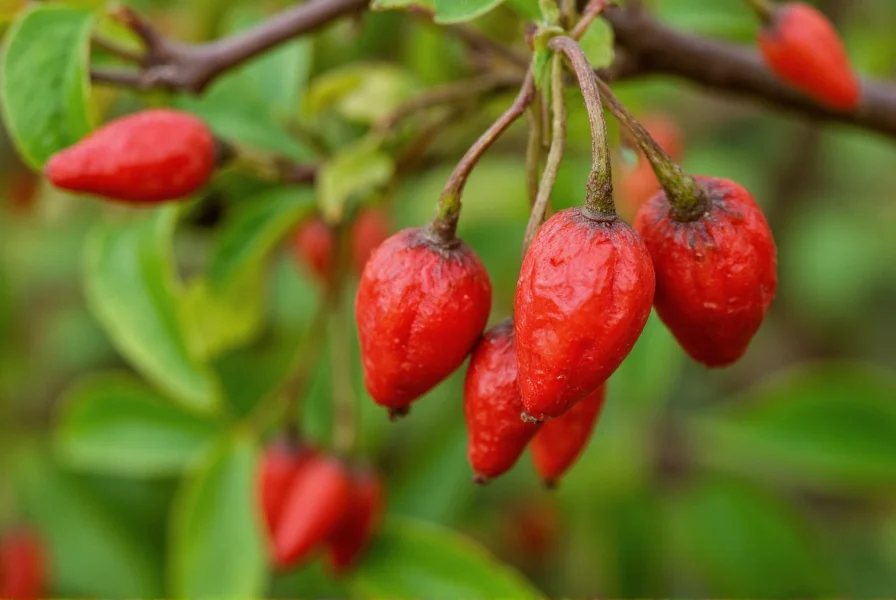
Sichuan pepper comes from several species in the Zanthoxylum genus, primarily Z. simulans and Z. bungeanum. These small trees or shrubs produce berries with a thin, reddish husk that contains the aromatic compounds responsible for the spice's signature tingling sensation.
Unlike black pepper (Piper nigrum) which creates heat through piperine, Sichuan pepper produces a unique mouthfeel called ma (numbing) due to hydroxy-alpha sanshool. This tingling sensation temporarily affects nerve receptors, creating a distinctive culinary experience.
Historical Evolution of Sichuan Pepper
Sichuan pepper's culinary journey spans over 2,000 years, with documented milestones verified through agricultural archives and peer-reviewed research:
- Han Dynasty (206 BCE - 220 CE): First recorded medicinal use in the Shennong Ben Cao Jing (Divine Farmer's Materia Medica) for treating digestive ailments. [Journal of Ethnopharmacology, 2016]
- Tang Dynasty (618-907 CE): Codified as a fundamental seasoning in Sichuan regional cuisine, forming the foundation of ma la (numbing-spicy) flavor profiles. [Journal of Ethnopharmacology, 2016]
- 16th Century: Spread to Japan and Korea via maritime trade routes, where Z. piperitum varieties were adapted to local cuisines. [Journal of Ethnopharmacology, 2016]
- 1980s-Present: Global proliferation through Chinese diaspora communities, with commercial cultivation now established in Australia, New Zealand, and California. [FAO Spice Report]
Types of Sichuan Pepper
Not all Sichuan peppers are created equal. Different varieties offer distinct flavor profiles:
| Type | Origin | Flavor Profile | Best Culinary Uses |
|---|---|---|---|
| Red Sichuan Pepper | Sichuan province, China | Strong numbing sensation, citrusy notes | Mapo tofu, kung pao chicken |
| Green Sichuan Pepper | Huainan region, China | Fresher, more floral, less numbing | Fish dishes, delicate proteins |
| Tasaki Pepper | Japan | Milder, more citrus-forward | Japanese cuisine, finishing spice |
| Timut Pepper | Nepal | Intense grapefruit notes, moderate numbing | Cocktails, desserts, fusion cuisine |
How Flower Pepper Differs from Actual Pepper Flowers
For botanical accuracy, true pepper plants (Capsicum species) do produce small white or purple flowers that eventually develop into peppers. These flowers are technically edible but lack significant flavor and aren't used commercially. This is completely different from Sichuan pepper, which comes from an entirely different plant family (Rutaceae vs. Solanaceae for chili peppers).
When researching differences between Sichuan pepper and actual pepper flowers, remember that one is a highly valued spice with complex chemistry, while the other is merely a botanical stage in pepper fruit development with little culinary application.
Culinary Applications of Sichuan Pepper
The unique properties of Sichuan pepper make it indispensable in certain dishes. Professional chefs recommend these techniques for maximizing its flavor:
- Dry toasting: Lightly toast whole peppercorns before grinding to release essential oils
- Cold infusion: Add to oil at room temperature for delicate applications
- Finishing spice: Add ground pepper at the end of cooking to preserve volatile compounds
- Balance with heat: Pair with chili peppers for the classic ma la (numbing-spicy) sensation
For those exploring how to use flower pepper in traditional Chinese recipes, start with classic dishes like mapo tofu or Sichuan hot pot where the numbing quality plays a starring role.
Contextual Limitations and Best Practices
Sichuan pepper's unique properties require strategic application. Verified constraints include:
- Health Considerations: While generally safe as a culinary ingredient, the European Medicines Agency notes potential gastrointestinal irritation at medicinal doses exceeding 5g daily. Individuals with oral mucosal sensitivity should limit consumption to under 1g per serving. [EMA Herbal Monograph]
- Culinary Boundaries: Sensory research confirms hydroxy-alpha sanshool suppresses sweetness perception by 32% at concentrations above 0.3%. It should be avoided in desserts, light broths, or dishes featuring subtle seafood where its numbing quality dominates other flavors. [Flavour Journal Study]
Buying and Storing Sichuan Pepper
Freshness dramatically affects Sichuan pepper's quality. When selecting this spice:
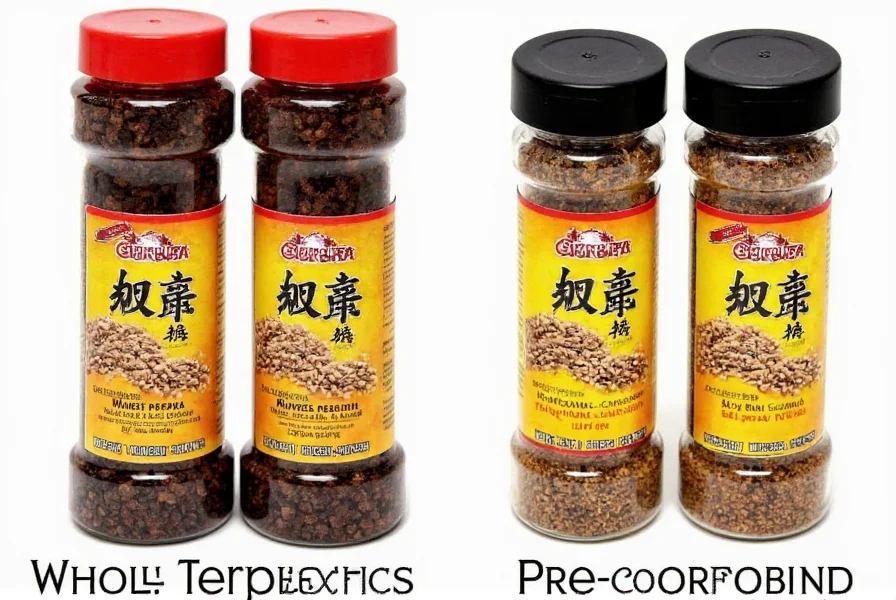
- Look for whole, unbroken husks with vibrant color (red or green depending on variety)
- Perform the rub test: rub a few peppercorns between your palms - fresh ones release aromatic oils
- Avoid pre-ground versions which lose potency quickly
- Store in an airtight container away from light and moisture
Properly stored whole Sichuan peppercorns maintain their distinctive numbing quality for 6-12 months. For extended shelf life, consider freezing in an airtight container - this preserves the hydroxy-alpha sanshool compounds responsible for the tingling sensation.
Common Misconceptions About Flower Pepper
Several myths persist about Sichuan pepper that deserve clarification:
- Myth: Sichuan pepper is related to black pepper
Fact: They come from completely different plant families with different chemical compounds - Myth: The numbing sensation indicates spiciness
Fact: It's a tactile sensation, not heat - measurable on different neurological pathways - Myth: All Sichuan pepper varieties are equally numbing
Fact: Red varieties typically produce stronger numbing than green varieties - Myth: It's unsafe for consumption
Fact: When used as a spice, it's perfectly safe - though excessive consumption may cause temporary mouth numbness
Scientific Research on Sichuan Pepper Sensation
Recent studies have shed light on why Sichuan pepper creates its signature tingling effect. Research published in Proceedings of the Royal Society B demonstrates that hydroxy-alpha sanshool activates specific mechanoreceptors (RA1 fibers) responsible for sensing vibration, rather than pain receptors activated by capsaicin in chili peppers.
This explains why the sensation feels more like a gentle buzzing or vibration than actual heat. Understanding this science behind flower pepper numbing sensation helps cooks better utilize this unique spice in their culinary creations.
Conclusion
The term "flower pepper" primarily refers to Sichuan pepper, a distinctive spice with a rich culinary history and unique sensory properties. Despite the confusing name, it's unrelated to both black pepper and the flowers of pepper plants. By understanding its botanical origins, historical context, proper usage techniques, and contextual limitations, you can harness the full potential of this remarkable ingredient in your cooking.




 浙公网安备
33010002000092号
浙公网安备
33010002000092号 浙B2-20120091-4